
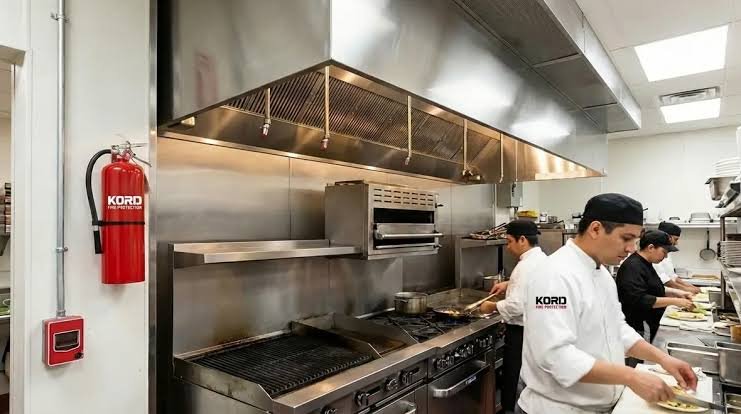
Restaurants bring people together to enjoy food, celebrate special occasions, and spend time with family and friends. Behind every successful restaurant, however, there are cooking appliances, electrical equipment, gas connections, ventilation systems, and other potential fire hazards. Without proper safety measures, a small incident can quickly become a serious emergency.
Restaurant fire safety is important for protecting customers, employees, property, and surrounding businesses. A fire can interrupt operations, damage expensive equipment, affect nearby buildings, and put lives at risk. For this reason, restaurant owners should make fire prevention and emergency preparedness part of their daily operations.
In Pakistan, restaurants operate in many different environments, from small roadside eateries and family restaurants to food courts, hotel kitchens, and large commercial dining facilities. Their fire risks depend on the building layout, cooking methods, fuel sources, electrical installations, and number of occupants.
A Fire alarm system in Pakistan can help alert people to a potential fire, allowing them to respond promptly. However, alarms alone cannot prevent every incident. Safe cooking practices, suitable firefighting equipment, clear emergency exits, proper maintenance, and staff training are also essential.
This guide explains the main restaurant fire hazards and the practical steps that restaurant owners, managers, and employees can take to create a safer environment.
1. Understanding Common Restaurant Fire Hazards
Restaurant kitchens combine heat, fuel, electricity, and combustible materials in a relatively small working area. These conditions require careful management throughout the day.
One common hazard is unattended cooking equipment. Stoves, ovens, grills, and fryers can become dangerous if left operating without appropriate supervision. Excessively heated cooking oil and accumulated grease can also contribute to kitchen fires.
Electrical problems present another risk. Damaged cables, loose connections, unsuitable extensions, and overloaded circuits can cause overheating or electrical faults. Refrigerators, exhaust fans, lighting, and other appliances should be installed and maintained appropriately.
Gas-fired appliances require particular attention. Damaged connections, faulty equipment, or poor ventilation can create serious hazards. Staff should report suspected leaks immediately and follow the restaurant’s established emergency procedures rather than attempting repairs themselves.
Combustible materials can increase the impact of a fire. Cardboard packaging, paper products, cleaning supplies, cooking oil, and other stored items should be managed carefully and kept away from unsuitable heat sources.
Identifying these hazards is the first step towards reducing fire risk. Restaurant management should regularly review kitchen activities, equipment condition, storage practices, and the movement of employees and customers.
2. Preventing Kitchen Fires
The kitchen is often one of the most important areas to consider when developing a restaurant fire safety plan. Daily prevention measures can reduce the likelihood of an incident and help employees identify problems early.
Cooking appliances should be operated according to the manufacturer’s instructions. Staff should receive appropriate training before using unfamiliar equipment, and cooking should never be left unattended when supervision is required.
Grease management is equally important. Grease can accumulate on cooking surfaces, filters, exhaust hoods, and ventilation ducts. If exposed to sufficient heat, this buildup can become a serious fire hazard. Cleaning should follow a documented schedule appropriate to the equipment and intensity of use.
Restaurant operators should also ensure that:
- Cooking appliances receive regular maintenance.
- Exhaust hoods and ventilation systems are cleaned appropriately.
- Combustible packaging is kept away from heat sources.
- Damaged appliances are reported and taken out of service when unsafe.
- Staff understand how to respond to unusual heat, smoke, or equipment faults.
- Cooking areas remain organized and free from unnecessary clutter.
If a cooking fire occurs, employees should follow their training and the restaurant’s emergency plan. They should never pour water onto burning cooking oil, because this can cause burning oil to spread dangerously. If the fire cannot be managed safely using approved procedures and suitable equipment, staff should raise the alarm, evacuate, and contact emergency services.
3. Gas and Electrical Safety in Restaurants
Many restaurants in Pakistan use gas-powered cooking equipment, while others rely on electric appliances or a combination of both. Each type of equipment requires suitable installation, maintenance, and operating procedures.
Gas appliances should be installed and serviced by qualified professionals. Connections, regulators, valves, and associated components should be appropriate for the system in use. Staff should know how to report suspected gas leaks and understand the emergency instructions provided for their workplace.
If a gas leak is suspected, employees should avoid flames and avoid operating electrical switches in the affected area. They should follow the established emergency procedure, move away from danger, and contact the appropriate emergency service or qualified professional from a safe location.
Electrical safety also requires routine attention. Restaurant operators should arrange inspections by competent electricians and ensure that electrical installations are suitable for the appliances and operating conditions.
Damaged wiring, repeatedly tripping protective devices, unusual burning smells, or overheating equipment should never be ignored. Staff should report these warning signs promptly rather than attempting unauthorized repairs.
Good maintenance practices help reduce risks before they develop into emergencies. Keeping service records and addressing reported defects also helps management demonstrate that safety concerns are being taken seriously.
4. Why Restaurants Need Suitable Fire Alarm Systems
A fire alarm system helps warn occupants when a fire emergency may be developing. Depending on the building’s design, the system may use automatic detection devices, manual alarm points, audible warning devices, visual indicators, or other approved components.
Early warning is particularly important in restaurants because kitchens can be noisy, dining areas can be crowded, and customers may be unfamiliar with the building. A suitable alarm arrangement helps people recognize that they may need to evacuate.
A Fire alarm system in Pakistan should be selected according to the building’s occupancy, layout, fire risks, and applicable requirements. Restaurants should not assume that one standard alarm arrangement will suit every premises.
The system should be designed and installed by competent professionals. Detection devices must be appropriate for their locations, since cooking vapour, steam, and other normal kitchen conditions can affect the suitability of particular devices. The design professional should account for these conditions while maintaining the required level of protection.
Restaurant managers should ensure that alarms are tested and maintained according to applicable requirements and manufacturer guidance. Staff should know how to raise an alarm, what the warning sounds like, and where to go when evacuation is required.
An alarm is only useful when people respond correctly. Training, clear evacuation instructions, and accessible escape routes must support the equipment.
5. Selecting and Maintaining Firefighting Equipment
Restaurants may need different types of firefighting equipment depending on their cooking processes, electrical installations, building design, and applicable safety requirements.
Portable fire extinguishers should be suitable for the hazards present. Different extinguishers are designed for different types of fires, so selecting equipment based only on price or appearance can be unsafe.
Cooking oil and fat fires require particular care. Restaurants that use commercial fryers should obtain professional advice about suitable equipment and any required fixed kitchen fire suppression arrangements. Employees should receive training in the safe use and limitations of the equipment provided.
Fire blankets may be suitable for certain limited situations when the product is designed for the intended use and the person responding is trained. They should not be treated as a universal solution for restaurant fires.
Management should arrange inspections and servicing according to the relevant standards and the manufacturer’s instructions. Equipment should remain accessible, clearly identified, and unobstructed.
Employees should never attempt to fight a fire if doing so would put them or others at risk. If a fire is growing, smoke is spreading, or the exit route may become unsafe, raising the alarm and evacuating must take priority.
6. Keeping Emergency Exits Clear
Safe escape routes are a fundamental part of restaurant fire protection. During an emergency, customers and staff need to leave the building without encountering unnecessary obstacles.
Tables, chairs, delivery boxes, stock, cleaning equipment, and other items should not block exits or narrow important walking routes. Emergency doors should remain usable in accordance with the applicable requirements and should not be secured in a way that prevents safe evacuation.
Exit signs should be visible, and emergency lighting should be provided where required. Routes should be suitable for the building’s size, layout, occupant numbers, and intended use.
Restaurants in shopping centres, hotels, or multi-storey commercial buildings should understand the wider building evacuation arrangements as well as their own internal procedures.
Management should ensure that employees know the locations of designated exits and the safest routes from their normal work areas. Staff should also understand which routes may be unsuitable if fire or smoke affects them.
Customers should be guided towards safe exits during an evacuation. Employees should avoid directing people towards a route that appears affected by fire or smoke.
Once outside, occupants should move to a safe meeting area and keep access clear for emergency responders. Nobody should return to the restaurant until authorized personnel confirm that it is safe.
7. Training Restaurant Staff for Emergencies
Fire safety equipment cannot replace staff preparation. Employees need to understand their responsibilities before an emergency happens.
Training should cover common fire hazards, alarm activation, evacuation procedures, emergency communication, and the location of exits and safety equipment. Staff should know how to report dangerous conditions and whom to contact when an incident occurs.
New employees should receive safety instructions as part of their introduction to the workplace. Existing employees should receive refresher training when procedures change or new equipment is introduced.
Restaurant managers should also organize appropriate evacuation drills. These exercises can help identify confusion about exit routes, alarm signals, staff responsibilities, or customer assistance.
A written emergency plan should identify who is responsible for raising the alarm, contacting emergency services, guiding customers, and helping people who need assistance. The plan should be appropriate for the restaurant’s size and operating conditions.
Staff should understand that they are not expected to take unnecessary risks. Their priority is protecting people and following the emergency plan. Only appropriately trained personnel should undertake tasks that involve specific firefighting responsibilities, and only when conditions and procedures permit.
8. Safe Storage and Housekeeping
Good housekeeping reduces unnecessary fire hazards and makes it easier for staff to notice problems.
Restaurants often store food supplies, packaging, cleaning products, paper goods, and cooking ingredients. These items should be stored in suitable locations, with combustible materials kept away from heat-producing equipment.
Cleaning products should remain in their original or appropriately labelled containers and be stored according to their safety instructions. Chemicals should not be mixed or stored in ways that create additional hazards.
Waste should be removed regularly, and grease deposits should not be allowed to accumulate around cooking equipment or ventilation systems. Storage areas should remain organized so that employees can access equipment and exits without obstruction.
Electrical rooms, service areas, and designated fire protection equipment locations should not be used as general storage spaces when doing so would compromise safety.
Housekeeping duties should be assigned clearly. A daily checklist can help employees identify blocked exits, damaged equipment, accumulated grease, and other problems before the restaurant becomes busy.
9. Restaurant Fire Safety in Pakistan
Fire safety planning should reflect the specific risks of each restaurant and the requirements applicable to its location.
The Pakistan Engineering Council publishes the Building Code of Pakistan: Fire Safety Provisions 2016, which addresses fire prevention, life safety, building protection, and related systems. Its provisions provide an important national reference, but restaurant operators should confirm the requirements that apply to their particular premises with the relevant local authority and qualified professionals.
Restaurants may be located in standalone buildings, shopping centres, hotels, or mixed-use properties. The appropriate safety arrangements can differ according to building occupancy, size, design, cooking activities, and other factors.
Owners should consider whether their premises need a formal fire risk assessment, approved escape arrangements, detection and alarm systems, firefighting equipment, emergency lighting, or additional protection for cooking operations.
They should also keep records of inspections, maintenance, staff training, and repairs. If the building is rented, responsibilities should be clarified between the restaurant operator, property owner, and building management.
Compliance should not be treated as a paperwork exercise. The real objective is to ensure that the building and its occupants are prepared to prevent fires where possible and respond safely if one occurs.
10. Developing a Practical Restaurant Fire Safety Checklist
A simple checklist helps managers turn safety principles into regular workplace routines. The checklist should be adapted to the restaurant’s hazards and any requirements set by the relevant authority.
Before opening:
- Check that escape routes and exits are accessible.
- Look for obvious damage to cooking appliances and electrical equipment.
- Confirm that required firefighting equipment is accessible.
- Ensure that staff know how to report hazards.
- Check that storage does not obstruct walkways or safety equipment.
During operations:
- Supervise cooking equipment appropriately.
- Keep combustible materials away from heat sources.
- Maintain good housekeeping and manage grease buildup.
- Report unusual smells, smoke, overheating, or equipment faults.
- Keep emergency exits clear even during busy service periods.
After closing:
- Follow the approved shutdown procedures for cooking and other equipment.
- Check that waste and combustible materials are stored appropriately.
- Report maintenance concerns for follow-up.
- Secure the premises without compromising required fire protection arrangements.
At planned intervals:
- Arrange alarm testing and maintenance as required.
- Have extinguishers and other protection equipment inspected and serviced.
- Review staff training and evacuation arrangements.
- Address defects found during inspections.
- Update the emergency plan when the building layout or operations change.
A checklist supports good management, but it does not replace professional inspections or formal risk assessments where these are required.
11. What to Do When a Restaurant Fire Occurs
When a fire is discovered, the response should prioritize human life.
Anyone who notices a possible fire should warn nearby people and activate the alarm according to the restaurant’s procedures. Staff should contact the appropriate emergency service and provide the location and nature of the incident as clearly as possible.
Customers and employees should leave by a safe exit, follow staff instructions, and avoid lifts or elevators during a fire evacuation. People should not stop to collect personal belongings or return for unattended items.
If smoke or fire affects a route, occupants should use a safer available exit and follow instructions from emergency responders. Staff should not delay evacuation by trying to protect stock, cash, or equipment.
After leaving the building, people should gather in the designated safe area and remain clear of entrances and emergency access routes. Nobody should re-enter until authorized personnel confirm that it is safe.
Once the immediate emergency is over, management should cooperate with the relevant authorities, arrange appropriate inspections, and investigate the incident to identify improvements. Repairs and reopening should take place only after safety concerns have been properly addressed.
Conclusion
Restaurant fire safety requires consistent attention to prevention, detection, emergency planning, and maintenance. Cooking equipment, gas connections, electrical systems, grease deposits, and combustible storage can all contribute to fire risks if they are not managed properly.
Restaurant owners in Pakistan should establish clear safety procedures, maintain suitable firefighting equipment, keep escape routes accessible, and provide regular training for employees. They should also confirm the applicable building and fire safety requirements for their premises.
A Fire alarm system in Pakistan can provide an important warning during an emergency, but it must work alongside suitable protection measures and a well-practised evacuation plan. Staff should understand how to respond to alarms, guide customers, and prioritize evacuation over property.
Fire safety is a shared responsibility. By making prevention and preparedness part of everyday restaurant operations, businesses can help protect customers, employees, property, and the wider community.
Frequently Asked Questions (FAQs)
1. What are the most common fire hazards in restaurants?
Common hazards include unattended cooking, overheated cooking oil, grease buildup, faulty electrical equipment, gas leaks, and combustible materials stored near heat sources. Regular maintenance and safe operating procedures can help reduce these risks.
2. Why is a fire alarm system important in a restaurant?
A fire alarm system warns occupants of a possible fire so they can respond and evacuate promptly. Its design, installation, and maintenance should suit the building’s layout, occupancy, and applicable safety requirements.
3. Which fire extinguisher should a restaurant use?
The appropriate extinguisher depends on the type of fire hazards present. Cooking oil and fat fires require particular care and suitable equipment. Restaurant owners should seek advice from qualified fire safety professionals and train employees in safe use.
4. How can restaurant owners keep emergency exits safe?
They should keep escape routes clear, ensure exits remain usable, maintain required signs and emergency lighting, and train staff to guide customers during evacuation. Exits should never be used for storage.
5. What fire safety rules should restaurants follow in Pakistan?
Restaurants should identify the requirements applicable to their premises, including relevant provisions of the Building Code of Pakistan: Fire Safety Provisions 2016 and local authority requirements. Qualified professionals can help assess the building and determine appropriate fire protection measures.