
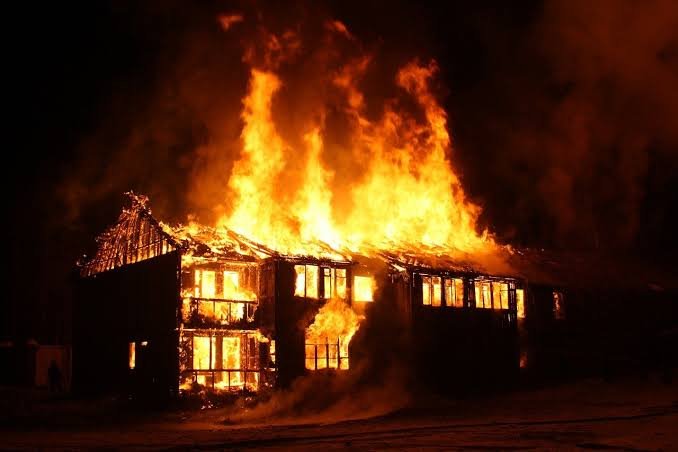
A home should be a safe and comfortable place for every family member. However, everyday activities such as cooking, charging electronic devices, using gas appliances, and operating electrical equipment can create fire risks when proper precautions are overlooked.
A household fire can start unexpectedly and spread quickly. Smoke may make it difficult to see or breathe, while confusion can delay evacuation. Simple preparations, including maintaining electrical equipment, installing suitable alarms, keeping exits clear, and practising an escape plan, can help families respond more safely.
In Pakistan, homes vary from small apartments and traditional houses to large multi-storey properties. Each type of home may have different fire hazards, particularly where gas appliances, electrical equipment, generators, or crowded living spaces are involved.
Home fire safety is not simply about owning a fire extinguisher. It means reducing the likelihood of a fire, detecting danger early, warning everyone in the house, and ensuring that family members know how to leave safely.
This guide explains ten important things every homeowner should know about protecting their household. It also discusses how a suitable fire alarm system in Pakistan can contribute to a broader home fire safety plan.
1. Identify Common Fire Hazards Around Your Home
The first step towards better fire safety is understanding where hazards may exist. Many household fires begin with everyday equipment or activities that people use without thinking about the risks.
Common hazards include:
- Unattended cooking and overheated cooking oil.
- Damaged electrical cables and faulty appliances.
- Overloaded sockets and extension leads.
- Unsafe use of gas appliances.
- Candles and other open flames.
- Combustible materials stored close to heat sources.
- Poorly maintained heating or backup power equipment.
Walk through your home and inspect the kitchen, bedrooms, living areas, storage rooms, balconies, and utility spaces. Look for damaged cables, blocked exits, loose electrical connections, and items placed too close to cooking or heating equipment.
Pay particular attention to areas where several hazards may overlap. For example, an electrical appliance near water or a cooking area surrounded by paper packaging can create additional risks.
Create a simple household inspection checklist and review it regularly. If you discover a damaged appliance, suspected gas leak, or electrical fault, stop using the affected equipment and seek help from a qualified professional.
Identifying hazards early is often easier and safer than dealing with an emergency after a fire has started.
2. Practise Safe Cooking Habits
Cooking is a common source of household fire risk. Hot oil, gas burners, ovens, and other cooking equipment can become dangerous if left unattended or used incorrectly.
Families can reduce risks by making a few simple habits part of their daily routine.
Stay attentive while cooking. Avoid leaving active cooking unattended, especially when frying or using high heat. If you need to leave the kitchen, turn off the appliance when safe to do so.
Keep combustible materials away. Tea towels, paper packaging, plastic containers, curtains, and other items should be kept away from burners and hot surfaces.
Handle cooking oil carefully. Overheated oil can ignite. If oil begins smoking, turn off the heat if safe and allow it to cool. Never pour water onto burning cooking oil.
Keep children at a safe distance. Children should not be left alone around active cooking equipment. Turn pot handles inward where practical and keep hot cookware away from the edges of counters.
Clean cooking equipment regularly. Grease and food residue can accumulate around stovetops, ovens, and extraction equipment. Follow the manufacturer’s cleaning instructions.
If a cooking fire develops, do not carry a burning pan or attempt a risky intervention. Alert others and evacuate if the situation is unsafe. Call the local fire and rescue service from a safe location.
Good kitchen habits can reduce preventable hazards while helping everyone in the household understand how to behave around heat and cooking equipment.
3. Take Electrical Safety Seriously
Electrical faults can cause fires when wiring, plugs, outlets, or appliances are damaged or used incorrectly. In homes with many electronic devices, the risk may increase if electrical loads are not managed properly.
Inspect visible cables and plugs periodically. Look for fraying, exposed wires, damaged insulation, loose connections, or signs of overheating. Stop using damaged equipment until it has been assessed and repaired by a qualified professional.
Follow these precautions:
- Avoid overloading sockets and extension leads.
- Use electrical equipment according to its instructions.
- Keep cables away from water, hot surfaces, and sharp edges.
- Do not run cables under rugs where damage may go unnoticed.
- Avoid using damaged chargers or unsuitable electrical accessories.
- Keep electrical panels accessible.
- Arrange repairs through qualified electricians.
Repeated circuit trips, burning smells, buzzing sounds, or unusually hot outlets should not be ignored. These may indicate a problem that requires professional attention.
If your home uses a generator or other backup power equipment, make sure it is installed and operated appropriately. Electrical connections should not be improvised, and fuel-powered equipment must never be used in enclosed living spaces.
Electrical safety also includes charging devices responsibly. Follow manufacturer guidance, use compatible chargers, and avoid charging equipment in places where heat cannot escape or where combustible materials may accumulate.
For additional information, consult the U.S. Fire Administration’s electrical fire safety guidance.
4. Install Suitable Smoke Alarms and Fire Detection Equipment
Early warning can give household members more time to leave a building when a fire develops. Smoke alarms detect smoke and alert occupants, including when a fire starts in another room or while people are asleep.
Families should assess which detection equipment is appropriate for their home’s layout and applicable requirements.
Common recommendations from fire safety organisations include installing smoke alarms inside sleeping rooms, outside separate sleeping areas, and on each level of a home. The exact positioning should follow the manufacturer’s instructions and local guidance.
A suitable fire alarm system in Pakistan may be relevant where a home is large, has multiple floors, or requires a more integrated fire detection arrangement. The right solution depends on the property’s design, occupancy, and applicable building requirements.
When considering fire detection, review the following:
- Whether all sleeping areas receive adequate warning.
- Whether alarms can be heard throughout the home.
- Whether interconnected alarms are appropriate.
- Whether backup power is needed.
- Whether the equipment is installed in suitable locations.
- Whether alarms are tested and maintained regularly.
Smoke alarms should not be placed wherever convenient without considering cooking fumes, steam, airflow, and manufacturer guidance. Poor placement may cause nuisance alarms or reduce effectiveness.
Smoke alarms and building-wide fire alarm systems are not exactly the same. A smoke alarm may operate as an individual household device, while a larger alarm system can connect detection devices and notification equipment.
The Building Code of Pakistan (Fire Safety Provisions) 2016 is an important national reference for building fire safety. Requirements for a particular home should be confirmed with the relevant authority or a qualified professional.
For general guidance, see the National Fire Protection Association’s smoke alarm information.
5. Understand Fire Extinguishers and Their Limitations
A suitable fire extinguisher may help control certain small fires when it is safe to use. However, different extinguishers are designed for different types of fire, and choosing the wrong equipment can increase danger.
Common types include:
- Water extinguishers: Generally intended for ordinary combustible materials such as paper and wood. They should not be used on burning cooking oil or energised electrical equipment.
- Dry chemical extinguishers: Some models are rated for several fire classes, depending on the product.
- Carbon dioxide extinguishers: Commonly used for certain electrical-equipment and flammable-liquid fires, subject to the product’s rating and limitations.
- Wet chemical extinguishers: Designed for certain cooking-oil and fat fires.
Before buying equipment, read the product label and consider the hazards present in the home. A qualified fire safety professional can help identify a suitable option.
Extinguishers should be accessible and maintained according to the manufacturer’s instructions and applicable standards. Check for visible damage, missing components, and any pressure indicator that falls outside the recommended range.
An extinguisher is not a substitute for evacuation. Only a trained adult should consider using suitable equipment on a small, contained fire when conditions are safe and an escape route remains available.
If the fire spreads, smoke becomes heavy, or there is any doubt about safety, leave immediately. Do not delay evacuation to protect furniture, appliances, documents, or other belongings.
6. Store Gas Cylinders and Flammable Materials Safely
Gas appliances and fuel storage require careful handling. Improper connections, damaged equipment, unsuitable storage, or poor ventilation can create serious hazards.
Where gas cylinders are used, follow the supplier’s instructions and applicable local requirements. Cylinders should be stored and installed only in approved locations with suitable ventilation and protection from damage or heat.
Keep combustible materials away from burners, heaters, electrical equipment, and other potential ignition sources. Paints, solvents, and cleaning products should be stored according to their labels, away from children and unsuitable heat sources.
Important precautions include:
- Use approved equipment and compatible connections.
- Arrange inspections and repairs through qualified professionals.
- Keep cylinders away from unauthorised handling.
- Do not store flammable liquids beside cooking appliances.
- Keep matches and lighters out of children’s reach.
- Never ignore a suspected gas leak.
If you suspect a gas leak, alert everyone nearby, avoid flames and electrical switching in the affected area, leave the area, and contact the appropriate emergency service or qualified gas professional from a safe location. Do not attempt to locate or repair the leak yourself.
Families should also avoid storing unnecessary packaging, paper, and other combustible items near heat-producing equipment. A tidy storage area makes it easier to identify hazards and keep access routes clear.
7. Keep Doors, Corridors, and Escape Routes Clear
A clear escape route can make a critical difference during a home fire. Smoke and heat may spread rapidly, and an obstructed doorway or crowded staircase can delay evacuation.
Walk through the home and identify the safest available ways to leave each occupied room. Where possible, plan two ways out, taking account of the building layout and the safety of the route.
Check these areas regularly:
- Main doors and secondary exits.
- Hallways and corridors.
- Staircases and landings.
- Windows that form part of the escape plan.
- Balcony access where relevant.
- Gates or security barriers that may affect exit access.
Do not store boxes, bicycles, furniture, or household items in corridors or stairways. Doors and windows used for emergency escape should be operable by the people who may need to use them.
Some homes use security grilles or barred windows. If these could prevent escape, seek an appropriate, secure solution that allows occupants to open the required escape route quickly from inside.
In multi-storey homes and apartment buildings, follow the building’s emergency arrangements. Do not assume that an elevator is safe to use during a fire. Use the designated escape route and follow instructions from emergency personnel or building management.
If smoke blocks a route, do not enter a smoke-filled area. Use another safe exit if available and contact emergency services. If you cannot leave safely, close doors between yourself and the fire, contact emergency responders, and clearly communicate your location.
8. Prepare a Family Fire Escape Plan
Every household should have a simple fire escape plan. It should explain how family members will recognise danger, leave the home, and meet outside.
Begin by drawing a basic floor plan that marks doors, windows, stairways, and possible exits. Identify the safest escape route from bedrooms and other commonly used spaces.
Your plan should include:
A meeting point: Choose a safe location outside the home where everyone can gather after leaving.
Clear responsibilities: Decide who may help young children or family members who need assistance. Identify a backup person in case the usual helper is absent.
Emergency contact information: Confirm the appropriate fire and rescue service number for your area and teach family members how to contact emergency services from a safe location.
Regular practice: Walk through the escape plan with everyone in the household. Repeat practice periodically and update the plan when the home layout changes.
Children should learn to leave immediately when an alarm sounds, stay with a trusted adult where possible, and never hide during a fire. They should not be expected to fight fires or return inside to collect possessions.
After escaping, stay outside. Do not re-enter the building for phones, money, documents, pets, or other belongings. Tell emergency responders if someone may still be inside.
A clear plan helps reduce confusion and gives family members a familiar set of actions to follow under pressure.
9. Maintain Heating Equipment, Generators, and Other Appliances
Household appliances need proper installation, ventilation, and maintenance. Heating devices, water heaters, generators, and other equipment can create fire hazards if damaged or used in unsuitable conditions.
Follow the manufacturer’s instructions for installation, operation, cleaning, and servicing. Do not continue using equipment that shows signs of damage or abnormal operation.
Keep combustible items away from heaters and other hot surfaces. Make sure required ventilation is not blocked and arrange professional servicing when recommended.
Generators need special attention. Fuel-powered generators produce dangerous exhaust gases and must never be operated inside a house, garage, enclosed balcony, or other unsuitable enclosed area. They should be positioned and operated according to the manufacturer’s instructions and local safety requirements.
Avoid leaving unnecessary appliances running unattended. Switch off equipment safely when it is not required, especially before leaving home or going to sleep.
Families should also consider charging practices for phones, power banks, and other battery-powered devices. Use compatible chargers, follow manufacturer guidance, and stop using equipment that becomes unusually hot, swollen, damaged, or emits an unusual smell.
Routine maintenance does not eliminate every risk, but it can help identify faults and reduce avoidable hazards before they become emergencies.
10. Check Safety Equipment and Review Your Home Regularly
Home fire safety is an ongoing responsibility. Equipment can become damaged, batteries can run out, and changes to the home can introduce new hazards.
Set a regular time to check alarms, extinguishers, exits, electrical equipment, and storage areas. Follow the manufacturer’s instructions and any applicable maintenance requirements.
A simple household checklist may include:
- Test smoke alarms according to the manufacturer’s guidance.
- Check alarm batteries and replace them as required.
- Replace equipment when its service life ends.
- Inspect extinguishers for visible damage and arrange servicing when needed.
- Keep escape routes and doors clear.
- Check cooking equipment and visible electrical cables.
- Review gas appliance condition and arrange qualified servicing.
- Ensure household members remember the escape plan.
Do not disable smoke alarms because of nuisance activations. Instead, follow the manufacturer’s guidance to address the cause and determine whether the device is in an appropriate location.
For larger homes, apartment buildings, or properties with complex fire protection arrangements, professional inspection may be appropriate. Owners and landlords should also check the requirements that apply to their particular building and location.
In Pakistan, the Building Code of Pakistan (Fire Safety Provisions) 2016 provides a national reference for building fire safety. The exact requirements and enforcement arrangements can depend on the relevant authority, property type, and applicable rules.
Keeping simple maintenance records can help householders remember when checks were completed and identify recurring problems.
Conclusion
Home fire safety depends on prevention, early warning, and preparation. Everyday hazards such as cooking equipment, electrical appliances, gas connections, and combustible materials can create risks when they are not managed carefully.
Families can improve safety by identifying hazards, practising safe cooking habits, maintaining electrical and gas equipment, installing suitable smoke alarms, and keeping escape routes clear. Understanding fire extinguishers and their limitations is also important, but protecting people must always come before protecting property.
A suitable fire alarm system in Pakistan may form part of a home’s fire protection strategy, depending on its size, layout, and applicable requirements. It should complement regular maintenance, safe household practices, and a clear evacuation plan.
Every family member should know how to respond when an alarm sounds and where to meet after leaving the property. Review the plan periodically and address hazards as soon as they are discovered.
Taking these steps can help create a safer home and improve the family’s readiness to respond calmly when an emergency occurs.
Frequently Asked Questions (FAQs)
1. What are the most common causes of home fires?
Common causes include unattended cooking, electrical faults, unsafe use of gas appliances, overheated equipment, open flames, and combustible materials placed near heat sources. Regular inspections and safe daily habits can help reduce these risks.
2. Is a fire alarm system necessary for every home in Pakistan?
The appropriate equipment depends on the home’s layout, size, occupancy, and applicable requirements. Smoke alarms are an important safety measure for homes, while larger or more complex properties may need a more integrated fire alarm arrangement. Check local requirements and seek qualified advice when necessary.
3. Where should smoke alarms be installed in a home?
General fire safety guidance recommends alarms inside sleeping rooms, outside separate sleeping areas, and on every level of the home. Follow the manufacturer’s instructions and local guidance for positioning, including avoiding unsuitable locations near cooking fumes or steam.
4. What should a family do if a fire starts at home?
Alert everyone, leave using the safest available exit, and contact the local fire and rescue service from a safe location. Do not delay evacuation to collect belongings or attempt to control a dangerous fire. Stay outside and tell responders if anyone may still be inside.
5. How often should home fire safety equipment be checked?
Follow the manufacturer’s maintenance instructions and applicable requirements. Test smoke alarms at the recommended intervals, check batteries as required, inspect equipment for visible damage, and arrange professional servicing where necessary. Families should also practise their escape plan periodically.