
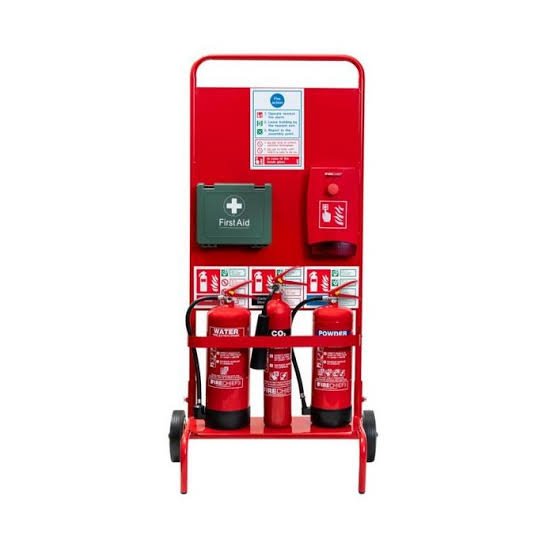
Construction sites are constantly changing environments. Workers install electrical systems, operate machinery, store building materials, carry out welding and cutting, and use temporary power supplies. These activities can create fire hazards, especially when safety procedures are not followed or equipment is poorly maintained.
A fire on a construction site can endanger workers, damage unfinished structures, destroy expensive materials, and delay a project. In some situations, temporary buildings, exposed materials, incomplete fire protection systems, and changing escape routes can make an emergency more difficult to manage.
For construction companies in Pakistan, choosing suitable fire safety equipment is an important part of project planning. However, purchasing the cheapest available equipment is not necessarily the best decision. Buyers need to consider the site’s risks, the equipment’s intended use, installation requirements, maintenance, and applicable local regulations.
A suitable Fire alarm system in Pakistan can help alert workers to a potential fire, but it must be appropriate for the construction phase and supported by clear evacuation procedures and other protective measures.
This buyer’s guide explains what to assess before purchasing fire safety equipment, how to compare suppliers, and how to establish practical fire protection arrangements throughout a construction project.
1. Understand the Fire Risks Before Buying Equipment
The first step in purchasing fire safety equipment is identifying the hazards present at the site. Every construction project is different, so the equipment needed for a small residential building may differ from that required for a large commercial development or industrial facility.
Common construction site fire risks include:
- Temporary electrical installations and damaged cables.
- Welding, cutting, grinding, and other hot-work activities.
- Combustible packaging, timber, insulation, and building materials.
- Temporary heating equipment and machinery.
- Storage and handling of materials that can catch fire.
- Fuel and other hazardous materials used for construction operations.
- Waste accumulation near work areas and temporary structures.
The construction phase also matters. A site with an unfinished building may not yet have permanent alarm systems, completed stairways, or fully operational fire protection equipment.
What should buyers check?
Arrange a suitable fire risk assessment before selecting equipment. Consider the building’s size, number of floors, work activities, materials, workforce, access routes, and emergency response arrangements.
Ask a qualified fire safety professional to identify which measures are necessary immediately and which will be required as the project progresses.
Buying equipment without understanding the risks can result in unsuitable products, unnecessary spending, or gaps in protection.
2. Prepare a Fire Safety Budget
Fire safety should be included in the construction budget from the beginning rather than treated as an unexpected expense after work has started.
The budget should account for more than the initial purchase price. Installation, commissioning, inspections, maintenance, replacement parts, training, and eventual changes to the site may also involve costs.
Include these cost categories
Fire detection and alarm equipment: Consider the alarm devices, control equipment, notification arrangements, and installation needed for the current construction phase.
Fire extinguishers and other firefighting equipment: Select equipment appropriate to the hazards identified by the risk assessment.
Emergency signs and lighting: Budget for suitable signage and emergency lighting where required.
Maintenance and testing: Include the costs of routine inspections, professional servicing, and repairs.
Training and emergency planning: Workers need to understand the alarm signals, evacuation procedures, and reporting arrangements.
Future site changes: Equipment may need to be relocated or extended as new floors, rooms, and work areas become operational.
A planned budget helps project managers avoid last-minute purchases and maintain suitable protection as the site changes.
3. Choose the Right Fire Alarm System
A fire alarm system helps notify workers and other occupants when a potential fire has been detected or reported. Depending on the project, the system may use automatic detectors, manual alarm points, audible alarms, visual warning devices, and control equipment.
On a construction site, the design must account for changing layouts, dust, temporary partitions, unfinished areas, and different stages of building work.
What should you consider when buying?
Suitability for the site: The system should match the building’s size, layout, activities, and fire risks.
Detection and notification: Ask how the system will detect a potential fire and alert workers in relevant areas.
Changing site conditions: Determine how the system can be maintained or adapted as construction progresses.
Power supply: Check the proposed power arrangements and any required backup provisions.
Installation and commissioning: Confirm that competent professionals will install, test, and commission the equipment.
Maintenance support: Ask who will test the system, investigate faults, and provide replacement components.
Documentation: Obtain operating instructions, system drawings where applicable, maintenance requirements, and commissioning records.
When evaluating a Fire alarm system in Pakistan, construction companies should request a clear explanation of how the proposed system meets the project’s needs. They should also confirm the applicable requirements with the relevant authority and qualified professionals.
Do not assume that a basic alarm device will provide adequate protection for every construction project. The correct solution depends on the site and its intended use.
4. Select Appropriate Fire Extinguishers
Fire extinguishers can be useful for certain small fires when the equipment is appropriate and it is safe to use. However, different types of fires require different extinguishing agents.
For example, water must not be used on energised electrical equipment, and it can spread burning cooking oil. Selecting an extinguisher without considering the fire hazards may create additional danger.
What should buyers check?
Before purchasing extinguishers, identify the likely fire risks in each work area. Consider electrical equipment, combustible materials, hot-work locations, temporary facilities, and any hazardous substances present.
Ask the supplier to explain:
- Which fire types the extinguisher is designed for.
- Where it should be installed or positioned.
- How it should be inspected and maintained.
- What training users need.
- Which product documentation and conformity evidence are available.
- How servicing and replacement will be arranged.
The number, type, and placement of extinguishers should be determined by the risk assessment and applicable requirements, not by a general rule applied to every site.
Equipment should remain accessible and clearly identified. It should not be hidden behind materials or placed where workers cannot reach it safely.
Workers should receive suitable instruction and understand that evacuation takes priority when a fire is spreading, smoke is present, or an escape route may become unsafe.
5. Check the Quality and Suitability of Fire Safety Products
When comparing products, buyers should look beyond appearance and price. Fire safety equipment needs to perform its intended function under the conditions for which it is designed.
A product that is unsuitable for the site may not provide the expected level of protection, even if it is inexpensive or advertised as suitable for many applications.
Important purchasing checks
Product identification: Check the manufacturer, model, intended use, and technical specifications.
Relevant conformity documentation: Request applicable certificates, test documentation, or other evidence that supports the product’s stated performance. Confirm their validity and relevance.
Manufacturer instructions: Review installation, operating, testing, and maintenance requirements.
Compatibility: Where equipment connects to an existing alarm or safety system, confirm that the components are compatible.
Warranty and after-sales support: Understand what is covered and how faults will be handled.
Spare parts and servicing: Check whether qualified maintenance support and appropriate replacement parts are available.
Clear quotation: Ask the supplier to distinguish equipment, installation, commissioning, training, and ongoing servicing costs.
Avoid accepting vague assurances such as “suitable for every building” without supporting technical information. A qualified professional should verify whether the proposed equipment meets the actual project requirements.
6. Purchase Suitable Emergency Signs and Lighting
Construction workers need to identify safe escape routes, emergency exits, alarm points, and firefighting equipment quickly.
This can be challenging on sites where corridors change, temporary barriers are moved, and some parts of a building remain unfinished.
What buyers should consider
Emergency signs should be appropriate for the site, readable, and positioned where workers can identify the intended route or equipment. Emergency lighting may be required where normal lighting failure could make evacuation difficult.
Before purchasing, check the following:
- Whether signs match the actual escape routes.
- Whether they remain visible as construction progresses.
- Whether emergency lighting is needed in particular areas.
- Whether the equipment meets applicable requirements.
- Who will inspect and maintain it.
- How signs and lighting will be updated when the site layout changes.
Do not install signs simply to make a site look compliant. Their locations and messages must reflect the actual emergency arrangements.
7. Evaluate the Supplier Carefully
A reliable supplier should help the buyer understand what is needed, provide appropriate product information, and explain how the equipment will be installed and maintained.
Choosing a supplier based only on the lowest quotation can create problems if the products are unsuitable or after-sales support is unavailable.
Questions to ask potential suppliers
- Have you supplied equipment for projects with similar requirements?
- Can you provide technical documentation for the proposed products?
- Will a qualified person assess the site before recommending equipment?
- Does the quotation include installation and commissioning?
- What inspection and maintenance support is available?
- Are replacement components and servicing available when needed?
- Will you provide operating instructions and relevant staff training?
- Can you explain how the proposed equipment meets applicable requirements?
Compare suppliers using the same scope of work. One quotation may include installation and testing, while another may cover equipment only.
Review the complete offer before deciding. A clear proposal helps buyers understand what they are paying for and reduces the likelihood of missing important safety measures.
8. Plan for Fire Safety During Every Construction Phase
One of the biggest mistakes in construction fire safety is assuming that protection installed at the beginning will remain suitable until the project is complete.
As the building develops, the number of workers, stored materials, work activities, and available escape routes may change. Temporary and permanent systems may also need to be introduced in stages.
Early construction
Identify fire hazards, establish emergency communication methods, provide appropriate initial firefighting equipment, and make sure workers know how to report a fire.
Structural and internal work
Review the risks associated with temporary power, hot work, combustible materials, and changing access routes. Update safety arrangements when new areas become occupied or accessible.
Finishing work
Paints, adhesives, packaging, and other products may introduce additional hazards. Review storage arrangements and follow the relevant product instructions.
Commissioning and handover
Test and commission permanent fire protection systems as required. Ensure that documentation, operating instructions, and maintenance arrangements are provided to the responsible building owner or manager.
The site safety plan should evolve with the project rather than remain unchanged from the first day.
9. Pay Special Attention to Hot Work
Welding, cutting, grinding, and similar activities can produce sparks and heat. If combustible materials are nearby, these activities may create a fire hazard.
Before purchasing safety equipment for hot-work areas, assess the activities, surrounding materials, and arrangements for controlling ignition sources.
What should be included in the safety arrangements?
- A suitable hot-work authorisation procedure where required.
- Inspection of the work area before activities begin.
- Removal or protection of combustible materials where appropriate.
- Suitable firefighting equipment nearby.
- Training for workers and supervisors.
- Appropriate checks after the work has finished.
The required precautions depend on the task, location, materials, and applicable procedures. Hot work should not begin until the required controls are in place.
Buying an extinguisher alone does not make a hazardous work activity safe. The project must also control the conditions that could allow a fire to start.
10. Check Storage Arrangements for Flammable Materials
Construction sites may use products such as paints, adhesives, solvents, fuels, and compressed gases. Some materials can create serious fire hazards if stored incorrectly or placed near incompatible products.
Before purchasing storage cabinets, containers, or other protective equipment, identify the materials involved and review their safety data sheets and manufacturer instructions.
Consider the following:
- Appropriate designated storage locations.
- Separation of incompatible materials.
- Control of ignition sources.
- Ventilation requirements where applicable.
- Spill management and housekeeping arrangements.
- Safe handling and access procedures.
- Suitable warning signs and emergency information.
Storage solutions should match the substances, quantities, and site conditions. Seek specialist advice when the materials present significant hazards.
Keep access routes clear and ensure that workers understand how to report leaks, damaged containers, or unsafe storage conditions.
11. Review Emergency Exits and Evacuation Procedures
Construction sites often have temporary stairs, changing floor access, barriers, and incomplete building sections. These conditions can make evacuation planning more complicated than it is in a completed building.
A buyer should therefore consider evacuation arrangements alongside the purchase of alarms and firefighting equipment.
What should be checked?
Clear escape routes: Workers should know how to reach designated safe areas without passing through known hazards.
Alarm communication: The chosen warning method must reach the workers who need to receive it.
Assembly points: The site should have a designated safe place where workers can gather after evacuation.
Visitor procedures: Contractors, delivery drivers, and visitors need to understand the emergency arrangements.
Emergency access: Routes for emergency vehicles and responders should remain accessible.
Changing layouts: Evacuation information must be updated when site conditions change.
A construction site may use a suitable combination of audible alarms, radios, verbal instructions, or other communication methods, depending on the risk assessment and applicable requirements.
Workers should be trained to recognise the warning signal and follow the site’s evacuation procedure.
12. Understand Fire Safety Requirements in Pakistan
Construction companies should identify the requirements applicable to their location, project type, building design, and work activities.
The Building Code of Pakistan: Fire Safety Provisions 2016 is an important national reference for fire and life safety. Local authorities may also apply inspection, approval, and other requirements relevant to the project.
Punjab Civil Defence identifies fire detection and alarm systems, firefighting arrangements, fire safety plans, emergency control facilities, and evacuation arrangements among the measures considered during fire safety inspections. Requirements should be verified with the relevant authority rather than assumed to be identical for every project.
Before purchasing equipment, construction managers should:
- Identify the relevant building control and fire safety authorities.
- Confirm the requirements that apply to the site.
- Arrange a suitable risk assessment.
- Obtain technical advice where necessary.
- Keep records of equipment, testing, and maintenance.
- Address inspection findings within the required timeframes.
International guidance, including resources published by the US Occupational Safety and Health Administration (OSHA), can help explain construction fire prevention practices. However, OSHA requirements apply within their relevant legal framework and should not be presented as Pakistani law.
The final equipment selection should be based on the project’s actual needs and the applicable local requirements.
13. Create a Maintenance and Inspection Plan
Purchasing suitable equipment is only the beginning. Equipment may become damaged, obstructed, or unreliable if it is not maintained.
Before placing an order, ask who will be responsible for inspection and servicing throughout the construction period.
A maintenance plan may cover:
- Fire alarm devices and communication equipment.
- Fire extinguishers and other firefighting equipment.
- Emergency lighting and exit signs.
- Temporary electrical installations.
- Fire doors and protected routes where installed.
- Storage arrangements and access to equipment.
- Emergency communication and evacuation procedures.
Inspection frequency should follow the equipment manufacturer’s instructions, system design, applicable standards, and local requirements.
Keep records of faults, repairs, servicing, and corrective actions. When equipment is temporarily unavailable, seek competent advice and arrange appropriate precautions until protection is restored.
A maintenance plan helps the project team identify problems early and ensures that safety equipment remains suitable as the site changes.
14. A Construction Site Fire Safety Buying Checklist
Use this checklist when preparing a purchase order or reviewing a supplier’s proposal.
- [ ] A fire risk assessment has been completed.
- [ ] The equipment matches the hazards and construction phase.
- [ ] Technical specifications and product documentation are available.
- [ ] Applicable conformity evidence has been reviewed.
- [ ] Fire alarm and notification arrangements have been considered.
- [ ] Suitable extinguishers and other required equipment are included.
- [ ] Emergency signs and lighting have been assessed.
- [ ] Installation and commissioning responsibilities are clear.
- [ ] Staff training and emergency procedures are included in planning.
- [ ] Maintenance, inspection, and servicing costs are understood.
- [ ] Replacement parts and after-sales support are available.
- [ ] The proposal meets the applicable local requirements.
- [ ] A process exists for reviewing safety as the project changes.
The checklist is a starting point, not a substitute for professional advice or mandatory inspections.
Conclusion
Choosing fire safety equipment for a construction site requires more than comparing prices. Buyers need to understand the site’s hazards, select suitable products, verify technical documentation, evaluate suppliers, and plan for installation, maintenance, and training.
In Pakistan, construction companies should also confirm the fire safety requirements that apply to their projects and consult qualified professionals when designing protective arrangements.
A suitable fire alarm system, appropriate firefighting equipment, clear evacuation routes, safe storage, and well-trained workers all contribute to a more effective fire safety programme.
Most importantly, protection must continue throughout construction. As the site changes, its hazards and safety arrangements should be reviewed so that workers remain prepared for emergencies.
For more information about fire protection equipment and safety planning, visit Flame Defender at https://flame-defender.com/.
Frequently Asked Questions (FAQs)
1. What fire safety equipment is needed on a construction site?
The required equipment depends on the site’s hazards, size, construction phase, and applicable requirements. It may include fire alarms, suitable extinguishers, emergency signs, lighting, and other protective systems. A risk assessment should guide the selection.
2. How do I choose a fire alarm system for a construction site in Pakistan?
Assess the building layout, current work activities, environmental conditions, and applicable requirements. Review the system’s technical documentation, installation arrangements, notification coverage, maintenance needs, and supplier support. Have competent professionals confirm that the proposed system is suitable.
3. What should I check before buying fire extinguishers?
Check the types of fire hazards present, the extinguisher’s intended application, product documentation, placement requirements, maintenance arrangements, and staff training needs. The equipment should be appropriate for the site and comply with applicable requirements.
4. Why is fire safety planning important during construction?
Construction conditions change as work progresses. Temporary electrical systems, hot work, storage arrangements, and escape routes can create different hazards at different stages. Reviewing the safety plan helps ensure that protective measures remain appropriate.
5. How often should construction site fire safety equipment be inspected?
Inspection and maintenance schedules depend on the equipment, manufacturer instructions, system design, and applicable requirements. Construction managers should establish a documented programme, arrange professional servicing where needed, and correct defects promptly.