
Electrical systems make modern homes, offices, shops, factories, schools, hospitals, and other buildings possible. Lights, computers, air conditioners, refrigerators, machinery, pumps, chargers, and countless other devices depend on electricity every day.
However, electricity can also become a fire hazard when wiring, electrical equipment, or protective devices are damaged, overloaded, poorly installed, or improperly maintained. One of the electrical problems that deserves particular attention is a short circuit.
Short circuits can cause excessive current to flow through an unintended path. Depending on the circumstances, this can produce heat, sparks, equipment damage, or fire.
For businesses and property owners in Pakistan, preventing electrical faults should be an important part of a wider fire-safety plan. Pakistan Engineering Council (PEC) publishes the Pakistan Electric and Telecommunication Safety Code (PETSAC) 2014 alongside the Building Code of Pakistan Fire Safety Provisions 2016. These codes provide a national framework for electrical and building safety.
Short circuit prevention is not about making electrical systems complicated. It is about using suitable equipment, professional installation, regular inspection, sensible electrical practices, and early detection of problems.
What Is a Short Circuit?
A short circuit happens when electricity takes an unintended low-resistance path.
Normally, electrical current follows the intended circuit through wiring and equipment. A fault can create another path, allowing a much higher current to flow than the circuit was designed to handle.
This can happen for several reasons, including:
- Damaged electrical insulation
- Loose connections
- Faulty appliances
- Incorrect wiring
- Moisture entering electrical equipment
- Damaged cables
- Poor-quality electrical components
- Overheating
- Physical damage
- Improper modifications
The exact result depends on the electrical system and the type of fault.
A properly designed electrical installation should include suitable protective devices that can disconnect a faulty circuit when necessary. PETSAC 2014, for example, contains provisions for automatic disconnection in response to high-magnitude short-circuit currents in certain motor applications.
Why Short Circuits Can Become a Fire Risk
A short circuit can cause electrical components or conductors to heat rapidly.
If nearby materials are combustible, excessive heat or electrical arcing can potentially start a fire.
The danger becomes greater when an electrical fault is combined with other problems, such as:
- Overloaded circuits
- Poor-quality wiring
- Damaged insulation
- Improperly installed equipment
- Flammable materials near electrical equipment
- Lack of maintenance
- Inadequate electrical protection
This is why electrical safety and fire safety should not be treated as completely separate subjects.
Preventing an electrical fault can reduce the chance of an electrical fire developing in the first place.
Common Causes of Short Circuits
1. Damaged Wiring
Electrical cables can become damaged through age, heat, physical impact, rodents, moisture, or inappropriate installation.
Damaged insulation can expose conductors and increase the possibility of an electrical fault.
Visible damage should never be ignored.
If a cable is cracked, burned, exposed, or otherwise damaged, it should be assessed by a qualified electrical professional.
2. Loose Connections
Loose electrical connections can create resistance and heat.
Over time, heat can contribute to further deterioration of electrical components.
Connections inside electrical panels and equipment should therefore be installed and maintained by qualified personnel rather than being adjusted casually.
3. Overloaded Circuits
Connecting too many high-power appliances to a circuit can create excessive electrical demand.
Examples might include several high-power appliances operating through the same extension arrangement or outlet.
Overloading can cause wiring and components to become excessively warm and can contribute to electrical problems.
Businesses should have electrical loads properly assessed rather than relying on guesswork.
4. Faulty Appliances
An electrical appliance can develop an internal fault because of age, damage, manufacturing defects, moisture, or poor maintenance.
Warning signs can include:
- Unusual heat
- Burning smells
- Sparks
- Repeated circuit trips
- Damaged plugs
- Damaged cables
- Unusual sounds
Any persistent electrical warning sign should be investigated rather than ignored.
5. Moisture and Water
Water and electricity create serious safety risks.
Moisture can enter electrical equipment through leaks, flooding, condensation, damaged enclosures, or inappropriate installation.
Electrical equipment should be kept appropriately protected from water, and wet electrical equipment should not be handled casually.
If an electrical installation has been exposed to water, qualified professionals should determine whether it is safe before it is returned to service.
Warning Signs of an Electrical Problem
Short circuits do not always happen without warning.
Sometimes an electrical system provides signs that something is wrong.
Watch for:
- Frequent circuit breaker trips
- Flickering lights
- Burning smells
- Buzzing or unusual electrical sounds
- Warm outlets or switches
- Discolored sockets
- Sparks
- Damaged cables
- Appliances that repeatedly stop working
- Unusual electrical behavior
These signs should be treated as reasons for inspection.
A circuit breaker that repeatedly trips should not simply be reset again and again without identifying the underlying problem.
The repeated trip may indicate an overload, fault, or equipment problem.
Flame Defender’s fire-safety guidance similarly recommends paying attention to damaged cables, burn marks, overloaded outlets, and repeated circuit trips as part of electrical safety.
Use Qualified Electrical Professionals
One of the most important ways to prevent electrical fires is to have electrical work performed by appropriately qualified professionals.
Electrical installation is not an area where inexperienced people should experiment.
Professional work can help ensure that:
- Wiring is appropriately selected
- Protective devices are suitable
- Connections are properly made
- Electrical loads are considered
- Equipment is correctly installed
- Faults are identified
- Maintenance is performed safely
PEC maintains engineering codes and also provides information concerning registered engineering professionals and relevant areas of specialization. Its published records include electrical installation and specialized fire detection, alarm, and suppression work.
For larger commercial or industrial installations, professional engineering input becomes particularly important.
Avoid Poor-Quality Electrical Components
Electrical safety depends partly on the quality and suitability of the components used.
Very cheap or unsuitable electrical products may not provide the same level of reliability as properly selected equipment.
Businesses should consider the quality, rating, compatibility, and intended application of electrical products before installation.
This applies to:
- Cables
- Switches
- Sockets
- Circuit breakers
- Distribution boards
- Plugs
- Extension equipment
- Electrical appliances
- Protective devices
The cheapest component is not necessarily the safest option.
Be Careful With Extension Leads
Extension leads can be useful when used appropriately, but they should not become a permanent substitute for properly designed electrical outlets.
Problems can occur when extension equipment is:
- Overloaded
- Damaged
- Used with unsuitable appliances
- Placed where it can be physically damaged
- Covered in ways that prevent appropriate heat dissipation
- Used as a permanent solution for insufficient outlets
Businesses should review their electrical layout if employees constantly need extension leads.
A recurring need for temporary electrical connections may indicate that the permanent installation needs improvement.
Do Not Ignore Circuit Breaker Trips
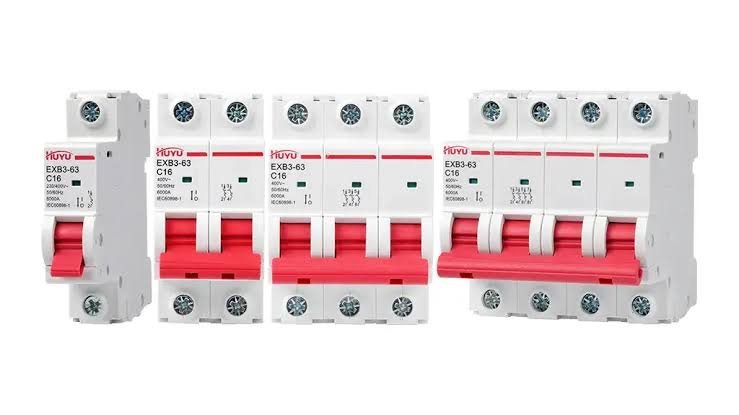
A circuit breaker is designed to provide protection by disconnecting electrical power under certain fault or overload conditions.
If a breaker trips repeatedly, this should not automatically be considered an inconvenience.
The cause could be:
- An overloaded circuit
- A faulty appliance
- A short circuit
- Another electrical fault
Repeatedly resetting the breaker without investigating the cause can allow an underlying problem to continue.
A qualified electrician should assess persistent faults.
Keep Electrical Panels Accessible
Electrical panels and distribution equipment should be kept accessible to authorized personnel.
Do not use electrical rooms or areas around distribution equipment as general storage spaces.
Boxes, furniture, waste, paper, chemicals, or other materials should not obstruct electrical equipment.
A clean electrical area makes inspection and maintenance easier and reduces unnecessary fire hazards.
It also helps emergency personnel and maintenance staff access equipment when required.
Keep Combustible Materials Away From Electrical Equipment
Electrical equipment can generate heat under normal operation, and a fault can produce additional heat or sparks.
For this reason, businesses should avoid storing unnecessary combustible materials immediately around electrical equipment.
This is particularly important in:
- Workshops
- Warehouses
- Factories
- Server rooms
- Electrical rooms
- Storage areas
- Commercial kitchens
Good housekeeping is a simple but important part of fire prevention.
The Role of Maintenance
Electrical safety is not a one-time installation task.
A building’s electrical system changes over time. Equipment ages, businesses add new appliances, loads change, and cables or connections can deteriorate.
Regular inspection can help identify problems before they become emergencies.
A maintenance program may include appropriate checks of:
- Electrical panels
- Wiring
- Connections
- Protective devices
- Outlets
- Switches
- Equipment
- Backup power systems
- Emergency electrical systems
The exact inspection schedule should depend on the installation, equipment, environment, manufacturer’s recommendations, and applicable requirements.
The Building Code of Pakistan Fire Safety Provisions includes maintenance, inspection, testing, and servicing within its broader approach to fire-protection systems and equipment.
Short Circuit Prevention in Offices
Modern offices contain many electrical devices.
Computers, printers, monitors, chargers, air conditioners, kitchen appliances, networking equipment, and other devices may operate simultaneously.
Office managers should pay attention to:
- Overloaded outlets
- Damaged chargers
- Poor-quality extension equipment
- Tangled or damaged cables
- Hot sockets
- Unusual smells
- Repeated circuit trips
- Electrical equipment left in unsuitable locations
Employees should also know how to report electrical problems.
A small electrical warning should not be dismissed simply because no fire has occurred yet.
Short Circuit Prevention in Factories
Industrial facilities can have much greater electrical loads and more complex systems.
Motors, machinery, control panels, generators, pumps, production equipment, and other electrical systems may operate continuously.
Industrial electrical safety should therefore involve appropriate engineering assessment, preventive maintenance, protective devices, and documented procedures.
PETSAC 2014 includes provisions covering electrical equipment and short-circuit protection in specific applications, illustrating the importance of protection against electrical faults.
Factories should also coordinate electrical safety with their wider fire protection arrangements.
Short Circuit Prevention in Shops and Small Businesses
Small businesses sometimes face a different problem: electrical systems may be expanded gradually without a complete review.
For example, a shop may start with a few appliances and later add:
- Refrigerators
- Freezers
- Air conditioners
- Computers
- Signboards
- Lighting
- Security systems
- Additional equipment
The original electrical installation may not have been designed for the increased load.
Whenever a business significantly changes its electrical equipment, the installation should be reviewed by a qualified professional.
Fire Alarm Systems and Electrical Fire Prevention
Preventing short circuits is the first goal, but businesses should also prepare for the possibility that a fire could occur.
This is where a suitable fire alarm system in Pakistan can become an important part of a complete fire-safety strategy.
Fire alarm systems are designed to provide early warning when fire conditions are detected through appropriate devices.
Depending on the building and system design, equipment may include:
- Smoke detectors
- Heat detectors
- Manual call points
- Alarm sounders
- Visual notification devices
- Control panels
- Backup power
Flame Defender’s fire-safety checklist guidance recommends considering detector condition, alarm notification devices, manual call points, control panels, testing records, faults, and backup power as part of fire alarm maintenance.
An alarm system does not prevent every electrical fault. Its role is different: it can provide warning so occupants can respond to a fire emergency.
Fire Alarm Maintenance Is Also Important
Installing a fire alarm is only one step.
A system should be appropriately tested, inspected, and maintained.
Businesses should not assume that an alarm will work indefinitely simply because it worked when it was installed.
Maintenance can help identify:
- Detector faults
- Battery problems
- Damaged wiring
- Control panel faults
- Notification device problems
- Obstructions
- Other system issues
Flame Defender’s maintenance guidance emphasizes that fire-safety equipment should be installed, accessible, functional, tested, maintained, and ready for use.
What Should You Do If You Notice a Possible Short Circuit?
If you notice sparks, smoke, burning smells, exposed wiring, or another serious electrical warning sign, do not attempt risky repairs yourself.
Move away from the hazard and inform a responsible adult, building manager, supervisor, or qualified electrical professional.
If a fire has started, follow the building’s emergency procedure and evacuate when required.
People should not put themselves at risk trying to investigate the source of an electrical fire.
Electrical equipment should only be handled by appropriately qualified people using safe procedures.
Electrical Safety Checklist
Businesses and property managers can use this basic checklist as a starting point:
- Are electrical installations professionally maintained?
- Are damaged cables replaced or assessed?
- Are outlets free from visible damage?
- Are circuit breakers functioning properly?
- Are repeated breaker trips investigated?
- Are electrical panels accessible?
- Are combustible materials kept away from electrical equipment?
- Are extension leads used appropriately?
- Are high-power appliances connected to suitable circuits?
- Are electrical loads reviewed when equipment is added?
- Are electrical rooms kept clean?
- Are backup power systems inspected?
- Are employees trained to report electrical hazards?
- Is fire detection maintained?
- Are emergency exits clear?
- Are fire-safety procedures reviewed regularly?
This checklist does not replace a professional electrical inspection.
Common Short Circuit Prevention Mistakes
Ignoring Burning Smells
A burning smell from an outlet, appliance, cable, or electrical panel should be investigated.
Repeatedly Resetting Breakers
A breaker that repeatedly trips may be indicating an underlying electrical problem.
Using Damaged Cables
Cracked, exposed, or burned cables should not simply be covered and forgotten.
Overloading Outlets
Multiple appliances connected to one circuit can create excessive electrical demand.
Making DIY Electrical Repairs
Electrical work should be performed by appropriately qualified people.
Blocking Electrical Panels
Storage should never prevent authorized access to electrical equipment.
Ignoring Maintenance
Electrical systems require inspection and maintenance as they age.
Treating Fire Alarms as a Replacement for Prevention
A fire alarm can provide warning, but it does not remove the underlying electrical hazard.
Building a Complete Fire-Safety Strategy
Short circuit prevention is strongest when combined with other safety measures.
A complete building fire-safety plan may include:
Prevention: Safe electrical installation and good housekeeping.
Detection: Suitable smoke, heat, or other detection equipment.
Warning: An appropriate fire alarm system.
Protection: Suitable firefighting equipment and other fire-protection systems.
Evacuation: Clear and accessible escape routes.
Training: Employees or occupants who understand emergency procedures.
Maintenance: Regular inspection and testing of safety systems.
Pakistan’s Building Code and electrical safety framework provide important references for building and electrical safety, while the exact requirements for a property depend on factors such as its occupancy, design, electrical installation, and applicable regulations.
Final Thoughts
Short circuit prevention is one of the most practical ways to reduce electrical fire risks.
The key is not to wait until smoke, sparks, or flames appear. Damaged wiring, overloaded circuits, repeated breaker trips, unusual smells, and faulty equipment can all be reasons to investigate an electrical system.
Businesses and property owners in Pakistan should use qualified professionals for electrical installation and maintenance, choose suitable components, avoid unsafe modifications, keep electrical areas clear, and review electrical loads when the use of a building changes.
At the same time, prevention should be supported by emergency protection. A properly planned fire alarm system in Pakistan can provide early warning if a fire occurs, while suitable firefighting equipment, emergency lighting, evacuation procedures, training, and maintenance provide additional layers of protection.
For businesses reviewing their overall fire-safety arrangements, Flame Defender provides fire-safety information and services for properties in Pakistan.
The most important lesson is simple: electrical safety begins before a fire starts. Regular inspections, responsible use of electricity, professional maintenance, and effective fire protection can help create safer homes, offices, and commercial buildings.
Frequently Asked Questions
1. What causes a short circuit?
A short circuit can occur when electricity finds an unintended low-resistance path. Damaged insulation, faulty equipment, loose connections, moisture, incorrect wiring, and damaged cables can contribute to electrical faults.
2. Can a short circuit cause a fire?
Yes. A short circuit can produce excessive current, heat, or electrical arcing. Under certain conditions, this can ignite nearby combustible materials. Proper electrical protection and maintenance can help reduce the risk.
3. What should I do if a circuit breaker keeps tripping?
Do not repeatedly reset it without finding the cause. Repeated trips can indicate an overload, faulty appliance, short circuit, or another electrical problem. A qualified electrical professional should assess the installation.
4. Does a fire alarm prevent short circuits?
No. A fire alarm and electrical protection have different purposes. Electrical protection helps manage electrical faults, while a suitable fire alarm system can provide warning if fire conditions are detected. Both can be parts of a broader safety strategy.
5. How can businesses prevent electrical fires?
Businesses can reduce risk by using qualified electrical professionals, avoiding overloaded circuits, maintaining electrical equipment, replacing damaged cables, keeping combustible materials away from electrical equipment, investigating warning signs, and maintaining suitable fire detection and protection systems.