
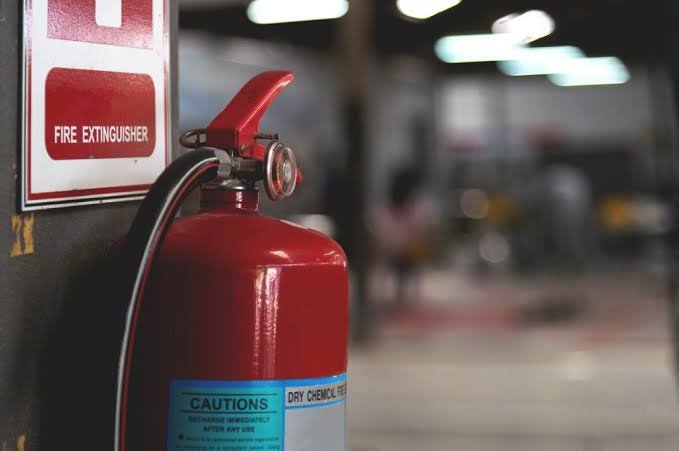
Fire extinguishers are essential pieces of firefighting equipment found in homes, offices, factories, schools, hospitals, restaurants, warehouses, and commercial buildings. They are designed to help control certain small fires before they spread, provided the correct extinguisher is selected and it is safe to use.
Despite their importance, many people misunderstand how fire extinguishers work. Some believe every extinguisher can put out every type of fire. Others assume that an extinguisher never expires, requires no maintenance, or guarantees complete fire protection.
These misconceptions can lead to dangerous decisions during an emergency. Using the wrong extinguisher, ignoring maintenance, or delaying evacuation can increase the risk to people and property.
This guide explains the biggest myths about fire extinguishers, separates common misunderstandings from practical safety information, and discusses how to improve fire preparedness in Pakistan.
Understanding Fire Extinguishers
A fire extinguisher is a portable device that releases an extinguishing agent to control or suppress a fire. Depending on its design, it may work by cooling burning materials, separating the fire from oxygen, or interrupting the chemical reaction that sustains combustion.
Common extinguisher types include:
- Water extinguishers
- Foam extinguishers
- Carbon dioxide (CO₂) extinguishers
- Dry chemical powder extinguishers
- Wet chemical extinguishers
Each type has specific applications and limitations. The correct choice depends on the material burning, the surrounding environment, the extinguisher’s approved rating, and the building’s fire safety plan.
Fire extinguishers are generally intended for use on small, developing fires when conditions allow a safe response. They are not a substitute for evacuation, fire detection, or professional emergency services.
Myth 1: Every Fire Extinguisher Works on Every Fire

One of the most widespread misconceptions is that all fire extinguishers work in the same way.
The truth
Different extinguishers contain different agents and are designed for different fire hazards. Using an unsuitable extinguisher may fail to control the fire or make the situation more dangerous.
For example:
- Water extinguishers are generally intended for suitable fires involving ordinary solid combustibles.
- CO₂ extinguishers are commonly used for certain electrical equipment and flammable-liquid hazards, subject to their rating.
- Wet chemical extinguishers are designed for particular cooking-oil and fat fire risks.
- Dry chemical powder extinguishers may be suitable for several fire classes, depending on the product’s rating.
Water must not be used on burning cooking oil or energised electrical equipment. It can spread burning oil and create a risk of electric shock.
Safety tip: Read the extinguisher label before use. If you cannot identify the fire or determine which extinguisher is suitable, evacuate and contact emergency responders.
Myth 2: A Fire Extinguisher Is a Replacement for a Fire Alarm
Some property owners believe that installing extinguishers is enough to protect occupants from fire.
The truth
Fire extinguishers and fire alarm systems perform different functions.
A fire extinguisher is used to discharge an agent onto a fire. A fire alarm system is designed to warn occupants so they can respond, including evacuating the building.
A fire may begin in an unoccupied room, electrical cabinet, storage area, or another location where it is not immediately visible. Suitable detection and alarm equipment can help alert people to danger.
A Fire alarm system in Pakistan should be selected according to the building’s size, use, occupancy, hazards, and applicable local requirements. Depending on the design, it may include smoke or heat detectors, manual call points, a control panel, and audible or visual warning devices.
Fire alarms do not extinguish fires, and extinguishers do not automatically warn everyone in a building. Both may be needed as part of a coordinated fire safety plan.
Myth 3: Fire Extinguishers Never Expire
Another common belief is that an extinguisher remains effective as long as it looks clean and undamaged.
The truth
Fire extinguishers require regular inspection and maintenance. Over time, their components can deteriorate, lose pressure, corrode, or become damaged.
Potential problems include:
- Loss of pressure
- Corrosion or dents
- Damaged hoses or nozzles
- Faulty operating mechanisms
- Missing or unreadable instructions
- Overdue servicing or testing
Different extinguisher designs have different inspection, servicing, testing, and replacement requirements. There is no single expiry rule that applies to every model.
Safety tip: Follow the manufacturer’s instructions and the applicable maintenance schedule. Arrange servicing through a competent provider, and repair or replace defective equipment as necessary.
Myth 4: A Bigger Extinguisher Is Always Better
Some people assume that buying the largest available extinguisher automatically provides better protection.
The truth
A larger extinguisher may contain more extinguishing agent, but it can also be heavier and more difficult to carry or operate.
The appropriate size depends on the building’s fire hazards, the required fire rating, the user’s ability, and the equipment’s location.
For example, a heavy extinguisher may be unsuitable for some occupants. In a large workplace, several correctly positioned extinguishers may be more accessible than one oversized unit.
When selecting equipment, consider:
- The likely fire types
- Required extinguisher ratings
- Building size and layout
- Accessibility and mounting arrangements
- The people expected to use the equipment
- Applicable fire safety requirements
The goal is to provide appropriate, accessible equipment—not simply the biggest extinguisher.
Myth 5: Anyone Can Use a Fire Extinguisher Without Training
Fire extinguishers may appear simple, but using them during an emergency can be stressful.
The truth
People should understand how to recognise a suitable fire, select the correct extinguisher, operate it safely, and identify when they must withdraw.
Training should cover:
- Raising the alarm
- Contacting emergency services
- Identifying the fire hazard
- Checking extinguisher suitability
- Maintaining a clear escape route
- Recognising dangerous smoke and heat
- Knowing when evacuation is necessary
A commonly taught reminder is the PASS method:
- Pull the safety pin.
- Aim the nozzle at the base of the fire.
- Squeeze the operating handle.
- Sweep the discharge across the fire’s base.
PASS is a general training aid, not a replacement for the manufacturer’s instructions. Operating procedures can vary by extinguisher type.
Never attempt to fight a fire that is spreading, producing heavy smoke, blocking your escape, or placing you at risk.
Myth 6: If the Extinguisher Is Full, It Must Be Working
A fire extinguisher can appear complete while still being unsuitable for use.
The truth
A pressure gauge, where fitted, can indicate whether pressure is within the marked operating range. However, pressure alone does not confirm that every part of the extinguisher is functioning correctly.
A blocked nozzle, damaged hose, corroded cylinder, faulty valve, or unsuitable extinguishing agent can affect performance.
Some extinguishers do not have pressure gauges, so their condition must be checked according to the manufacturer’s instructions.
Safety tip: Check the equipment regularly and arrange professional servicing if a defect is found. Inspection should include its physical condition, operating components, and service records.
Myth 7: You Should Always Fight a Fire Before Evacuating
Some people feel responsible for putting out a fire themselves to protect property or avoid business disruption.
The truth
Life safety must always come first. Fires can grow rapidly, and smoke can make breathing and escape difficult.
Only consider using an extinguisher when the fire is small and contained, the extinguisher is appropriate, you know how to use it, and you have a clear escape route.
The alarm should already have been raised, and emergency services should be contacted according to the building’s procedures.
If the fire grows, smoke becomes heavy, the exit is threatened, or you feel unsafe, stop and evacuate immediately.
Do not return to collect belongings or attempt to control a spreading fire. Leave firefighting to trained emergency responders.
Myth 8: One Extinguisher Is Enough for an Entire Building
Some property owners believe that purchasing a single extinguisher provides adequate protection for every room and floor.
The truth
The number, type, size, and placement of extinguishers depend on the building’s fire hazards and applicable requirements.
A factory, multi-storey office, restaurant, warehouse, or hospital may contain several different risks. Extinguishers must be accessible without requiring people to travel through dangerous areas.
A fire risk assessment should consider:
- Building size and layout
- Number and needs of occupants
- Electrical and machinery hazards
- Combustible materials and storage
- Cooking and heating operations
- Access to firefighting equipment
- Escape routes and evacuation arrangements
For buildings in Pakistan, owners should consult qualified fire safety professionals and the relevant local authority to establish the required protection measures.
Myth 9: All Fire Extinguishers Are Easy to Use in an Emergency
An extinguisher may seem straightforward when mounted on a wall, but emergency conditions can make it difficult to operate.
The truth
Smoke, heat, noise, poor visibility, panic, and unfamiliar equipment can make firefighting challenging.
A person may struggle to remove the safety pin, hold the extinguisher correctly, or control the discharge. Some extinguishing agents can also reduce visibility or create breathing hazards in confined spaces.
Training should include familiarisation with the actual types of extinguishers installed at the premises.
Employees and occupants should know where equipment is located, which hazards it covers, and when evacuation is the only safe option.
Myth 10: Fire Extinguishers Do Not Need Maintenance If They Are Rarely Used
Some buildings keep extinguishers for years without checking them because no fire has occurred.
The truth
Fire extinguishers can deteriorate even when they are not used. Moisture, dust, heat, corrosion, vibration, and accidental impact may affect their condition.
Routine inspections can help identify problems such as:
- Missing or broken safety seals
- Incorrect pressure indication
- Corrosion or physical damage
- Damaged hoses or nozzles
- Obstructed access
- Missing operating instructions
- Outdated service records
Maintenance should follow the manufacturer’s instructions and applicable requirements. Inspection records help building managers identify recurring problems and arrange repairs.
Myth 11: Any Fire Extinguisher Can Be Used in a Kitchen
Kitchens contain several potential fire hazards, including cooking oils, gas appliances, electrical equipment, and combustible materials.
The truth
The extinguisher must match the fire hazard.
A cooking-oil fire is different from a fire involving paper, packaging, or electrical equipment. Water can cause burning oil to splatter and spread, so it must not be poured onto a grease fire.
Commercial kitchens may need extinguishers or fixed suppression systems specifically designed for cooking appliances. The appropriate arrangement depends on the cooking equipment, fuel, and applicable safety requirements.
Kitchen staff should know how to raise the alarm, evacuate safely, and shut off fuel or power only when doing so is safe.
Myth 12: Fire Extinguishers Can Prevent Every Fire
Some people assume that installing extinguishers eliminates the possibility of serious fire damage.
The truth
Extinguishers are firefighting equipment, not fire prevention devices. They do not prevent every ignition, automatically detect a fire, or guarantee that occupants will be warned.
Fire prevention also involves safe electrical installations, proper storage of combustible materials, careful handling of flammable substances, equipment maintenance, and staff awareness.
A complete fire safety plan may include:
- Fire prevention procedures
- Fire detection and alarm systems
- Suitable portable extinguishers
- Emergency lighting and exit signs
- Fire doors and compartmentation
- Sprinklers or other suppression systems where required
- Evacuation plans and drills
- Routine inspections and maintenance
These measures have different roles and should be coordinated according to the building’s risks.
Types of Fire Extinguishers and Their Uses
The following table provides a general overview. Always follow the approved fire rating and instructions printed on the specific extinguisher.
| Extinguisher type | Common applications | Important limitation |
|---|---|---|
| Water | Suitable ordinary solid combustibles | Not for energised electrical equipment or burning cooking oil |
| Foam | Certain solid and flammable-liquid fires | Check electrical and material compatibility |
| CO₂ | Certain electrical equipment and flammable-liquid fires | Can create breathing hazards in confined spaces |
| Dry chemical powder | Multiple fire types, depending on rating | Powder may reduce visibility and contaminate equipment |
| Wet chemical | Certain cooking oils and fats | Designed for specific cooking-related hazards |
Fire classifications and extinguisher labels can vary across standards and jurisdictions. The equipment’s approved rating and instructions should always guide its use.
Fire Extinguisher Inspection Checklist
A visual inspection can help identify obvious problems, but it does not replace professional servicing or required testing.
Quick visual check
0/9
The extinguisher is in its designated location.
The route to the extinguisher is clear.
The label and instructions are readable.
The pressure indicator is in the correct range, if fitted.
The cylinder has no obvious corrosion, dents, or damage.
The hose and nozzle are present and undamaged.
The safety pin and seal are present and intact.
The inspection or service information is current.
Any defects have been reported and corrective action arranged.
Reset checklistUse this as a general reminder. Follow the required inspection schedule and manufacturer’s instructions.
Choosing Fire Extinguishers for Buildings in Pakistan
Selecting fire extinguishers should begin with an assessment of the building’s hazards, rather than simply choosing the cheapest or most familiar model.
1. Identify the fire risks
A residential kitchen, office, textile factory, warehouse, and workshop can have very different hazards. Identify combustible materials, electrical installations, cooking equipment, machinery, and flammable liquids or gases.
2. Select the appropriate rating
Check that the extinguisher is approved for the relevant fire classification. A multipurpose extinguisher may cover several hazards, but it should not be assumed to cover every possible fire.
3. Consider accessibility
Equipment should be clearly visible, properly mounted, and accessible without blocking escape routes. Occupants and staff should know where it is located.
4. Check servicing and support
Confirm that inspections, maintenance, recharging, and replacement can be arranged through a competent provider. Keep records of servicing and corrective actions.
5. Consider the complete fire safety plan
Extinguishers should work alongside alarms, emergency exits, evacuation procedures, and other fire protection measures required for the building.
For commercial and industrial premises, seek advice from qualified fire safety professionals and the relevant local authority.
The Role of Fire Safety Training
Training helps occupants understand what to do when a fire is discovered. It should not encourage everyone to become a firefighter; instead, it should establish clear priorities and safe procedures.
A useful training programme explains how to raise the alarm, follow evacuation routes, assist others where safe, and identify the circumstances in which a fire extinguisher may be used.
Workplaces should communicate emergency responsibilities clearly. Fire wardens or designated personnel should understand their assigned duties, while all occupants should know how to leave the building safely.
Training should be repeated as needed, especially when building layouts, equipment, or work activities change.
Conclusion
Fire extinguishers are valuable firefighting tools, but common myths can lead to unsafe decisions. Not every extinguisher works on every fire, equipment can deteriorate, and owning an extinguisher does not remove the need for alarms, evacuation planning, or training.
The essential principles are to choose suitable equipment, keep it accessible, maintain it properly, understand its limitations, and prioritise evacuation whenever conditions are unsafe.
For homes and workplaces in Pakistan, a suitable Fire alarm system in Pakistan, combined with correctly selected extinguishers, clear escape routes, regular inspections, and practical training, can support a coordinated approach to fire safety.
A safer building is not defined simply by the number of extinguishers it owns. It depends on whether its fire protection equipment is appropriate, accessible, maintained, and supported by procedures that protect human life.
5 Frequently Asked Questions (FAQs)
1. Can one fire extinguisher be used for every type of fire?
No. Different extinguishers are designed for different fire hazards. Always check the extinguisher’s approved rating and instructions before use.
2. How often should fire extinguishers be inspected?
Fire extinguishers should be visually inspected and professionally maintained according to the manufacturer’s instructions, applicable standards, and the building’s maintenance programme. The required schedule depends on the extinguisher type and local requirements.
3. Can I use water on an electrical fire?
Do not use a water extinguisher on energised electrical equipment. Use only equipment specifically rated for the hazard, and evacuate if it is unsafe to intervene.
4. Does having a fire extinguisher mean my building is fire-safe?
No. Extinguishers are only one part of fire protection. Depending on the building’s risks, other measures may include fire alarms, emergency lighting, safe exits, evacuation plans, training, and suppression systems.
5. What should I do if a fire is too large to control?
Raise the alarm, evacuate using a safe route, and contact emergency responders. Do not risk your life attempting to fight a spreading fire, and do not re-enter until authorities say it is safe.