
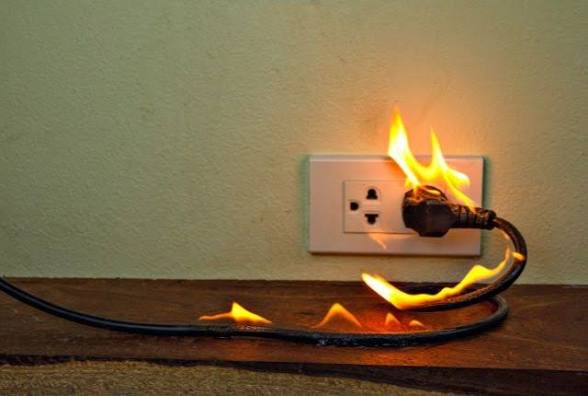
Summer in Pakistan brings intense heat, dry weather, and increased electricity consumption. While these conditions are common during the season, they can also create additional fire hazards in homes, offices, factories, warehouses, commercial buildings, and public spaces.
Fire safety becomes especially important during summer because electrical equipment often operates for longer periods, air conditioners work harder, and generators may be used more frequently during power interruptions. Poor maintenance, unsafe electrical connections, improper fuel storage, and inadequate emergency planning can increase the risk of fire.
Understanding these seasonal hazards is the first step toward preventing accidents. With appropriate precautions, regular inspections, effective fire detection equipment, and proper emergency planning, individuals and organizations can reduce fire risks and improve their ability to respond safely.
This guide explains common summer fire hazards in Pakistan, practical prevention methods, the role of fire detection systems, and the importance of maintaining a safe environment throughout the hottest months of the year.
1. Why Summer Fire Hazards Require Special Attention
Summer conditions can place additional pressure on electrical systems, machinery, and building infrastructure. As temperatures rise, people rely more heavily on air conditioners, refrigerators, fans, water pumps, and other electrical appliances.
When equipment is old, poorly maintained, overloaded, or incorrectly installed, continuous operation can contribute to overheating and electrical faults.
Dry vegetation, accumulated dust, flammable waste, and improperly stored combustible materials can create further hazards in certain environments.
In Pakistan, summer fire prevention is relevant across different settings, including:
- Residential houses and apartment buildings
- Offices, shopping centers, and commercial properties
- Textile mills and manufacturing facilities
- Warehouses and storage buildings
- Restaurants, hotels, and event venues
- Schools, hospitals, and other public institutions
Every property has different risks. A residential kitchen requires different precautions from an industrial production floor, while a warehouse may need special attention to storage arrangements and fire detection coverage.
A suitable fire safety plan begins with identifying the hazards specific to the building and its daily activities.
2. Electrical Overloading and Overheated Appliances
Electrical faults are an important fire safety concern during summer. Higher electricity demand can lead to frequent use of extension cords, adapters, cooling equipment, and backup power systems.
Connecting too many appliances to one socket or extension board can cause excessive current, overheating, and damage to electrical components.
Damaged insulation, loose connections, faulty plugs, and unsuitable wiring can also create dangerous conditions.
Common electrical fire hazards
- Overloaded extension boards and power strips
- Damaged or exposed electrical cables
- Loose sockets and deteriorated switches
- Poorly installed air conditioners
- Faulty electrical panels and circuit breakers
- Appliances operating continuously without appropriate maintenance
Prevention measures
Avoid connecting several high-power appliances to one extension board. Use electrical equipment suitable for its intended load and have damaged wiring repaired by a qualified electrician.
Electrical panels should remain accessible, dry, and free from combustible storage. Circuit breakers and other protective devices should be selected and installed according to the electrical system’s requirements.
If a socket becomes unusually hot, produces a burning smell, sparks, or repeatedly trips a breaker, stop using the affected equipment and arrange a professional inspection.
Do not repeatedly reset a circuit breaker without identifying the underlying problem.
3. Air Conditioners and Cooling Equipment
Air conditioners are widely used during Pakistan’s hot season. Their extended operation can expose existing electrical or mechanical problems that might otherwise go unnoticed.
Dust accumulation, restricted airflow, damaged cables, loose connections, and inadequate maintenance can affect equipment performance and safety.
Air conditioning systems may also contribute to fire hazards if they are installed incorrectly or connected to unsuitable electrical circuits.
How to reduce the risk
Clean or replace filters according to the manufacturer’s instructions. Keep outdoor units free from obstructions and arrange regular servicing by qualified technicians.
Check that electrical connections, protective devices, and cables are appropriate for the equipment. Avoid using damaged extension cords to power high-load cooling appliances.
Do not ignore unusual noises, repeated shutdowns, burning odors, or visible signs of overheating.
If smoke or flames appear, keep away from the equipment and follow the building’s emergency procedures. Do not touch electrical components or attempt repairs while the system is energized.
4. Generator Safety During Power Interruptions
Generators provide backup electricity for homes, businesses, hospitals, and industrial facilities. However, improper installation, unsafe fuel handling, and inadequate maintenance can create serious fire hazards.
Generators may contain hot surfaces and electrical components, while petrol and diesel require careful storage and handling.
Important generator precautions
- Install generators in an appropriate outdoor or purpose-designed location with adequate ventilation and separation from occupied areas.
- Follow the manufacturer’s requirements for installation, grounding, maintenance, and operation.
- Allow hot equipment to cool before refueling.
- Store fuel in approved containers, away from ignition sources and unauthorized access.
- Keep combustible waste and unnecessary materials away from the generator.
- Use a qualified electrician to install transfer switches and connect backup power systems safely.
Never operate a fuel-powered generator inside a home, garage, or enclosed room. Exhaust can contain carbon monoxide, a poisonous gas that cannot be reliably detected by smell.
Generator safety includes both fire prevention and protection against electrical and exhaust-related hazards.
5. Kitchen Fires and Cooking Hazards
Cooking is a frequent source of residential fire hazards throughout the year. During summer, hot kitchens and increased use of cooking appliances may make safe habits particularly important.
Unattended cooking, overheated oil, grease accumulation, and combustible items near burners can allow a small incident to become a serious fire.
Kitchen fire prevention tips
- Never leave active cooking unattended.
- Keep towels, paper, plastic packaging, and curtains away from burners.
- Clean grease from cooking surfaces and exhaust filters.
- Keep children away from hot cooking equipment.
- Maintain a clear route to the kitchen exit.
- Ensure appropriate fire safety equipment is accessible.
If cooking oil catches fire, turn off the heat only if it is safe to do so. Cover the pan with a suitable metal lid to smother the flames, if you can do so without approaching dangerous fire or smoke.
Never pour water onto a grease or oil fire. Water can cause burning oil to spread violently.
Do not carry a burning pan. If the fire cannot be controlled immediately and safely, evacuate and call the fire service.
6. Outdoor Fires, Dry Grass, and Waste Burning
Dry weather can increase the susceptibility of grass, leaves, bushes, and other vegetation to ignition. This can be relevant around rural properties, vacant plots, roadside areas, construction sites, and industrial premises.
Discarded cigarettes, uncontrolled burning, sparks from equipment, and unattended cooking fires may ignite dry materials.
Outdoor fire prevention
Keep dry vegetation, rubbish, and unnecessary combustible materials away from buildings and electrical installations.
Avoid burning waste in areas where flames or embers could spread. Follow local restrictions and use approved waste disposal arrangements.
When working outdoors, ensure that hot equipment, welding activities, and other ignition sources are controlled.
Where vegetation fires are possible, maintain appropriate access routes for emergency responders and establish a clear procedure for reporting smoke or fire.
If a fire spreads beyond immediate control, move away and contact emergency services rather than attempting to fight it yourself.
7. Fire Hazards in Factories and Industrial Facilities
Industrial facilities in Pakistan may contain machinery, electrical equipment, packaging materials, chemicals, fuels, and other combustible substances. Summer heat can make proper equipment maintenance and workplace fire prevention particularly important.
Textile mills, manufacturing plants, and workshops may face additional risks from lint, dust, lubricants, hot machinery, and electrical equipment.
Industrial fire prevention measures
- Keep production areas clean and remove combustible waste regularly.
- Maintain machinery according to manufacturer recommendations.
- Inspect electrical equipment for visible defects.
- Control welding, grinding, and other hot-work activities through appropriate procedures.
- Store flammable liquids in designated, suitable locations.
- Provide employees with fire safety training and emergency instructions.
Factories should also assess how a fire could affect neighboring work areas, storage facilities, and evacuation routes.
8. Warehouse Fire Risks During Summer
Warehouses often contain large quantities of combustible goods, including cartons, textiles, paper, plastics, and wooden pallets.
Poor storage arrangements can allow fires to spread and make emergency response more difficult. Blocked aisles, inaccessible extinguishers, and improperly stored chemicals can create additional risks.
Warehouse safety recommendations
Maintain clear aisles and emergency exits. Store materials according to their fire hazards and compatibility, and keep combustible goods away from electrical panels, hot machinery, and other ignition sources.
Inspect fire detection equipment, extinguishers, hydrants, and sprinkler systems according to applicable requirements.
Emergency access routes should remain clear, and employees should know how to raise an alarm and evacuate safely.
9. The Role of a Fire Alarm System in Pakistan
A fire alarm system is an important component of a building’s overall fire safety arrangements. It helps identify potential fire conditions and alerts occupants so they can take appropriate action.
For residential buildings, commercial properties, offices, hospitals, factories, and warehouses, an appropriately designed system can support early warning and organized evacuation.
A fire alarm system in Pakistan should be selected according to the property’s layout, occupancy, fire risks, applicable building requirements, and intended system functions.
Main components of a fire alarm system
| Component | Purpose |
|---|---|
| Smoke detector | Detects smoke particles in the monitored area. |
| Heat detector | Responds to specified temperature conditions or changes. |
| Manual call point | Allows a person to activate the alarm manually. |
| Fire alarm control panel | Receives signals and manages system operation. |
| Sounders and notification devices | Alert occupants to a potential emergency. |
| Backup power supply | Helps maintain operation during a mains power failure, as designed. |
Some systems can also interface with other building safety equipment, such as door-release mechanisms, smoke-control systems, or emergency communication arrangements, where designed and approved for that purpose.
Choosing the right detection system
Different properties require different approaches.
Conventional systems: These identify the alarm zone in which a signal originates. They may be suitable for certain smaller or simpler buildings.
Addressable systems: These can identify individual devices or points, helping trained personnel locate an alarm signal more precisely.
Wireless systems: These communicate through wireless technology and may be useful in particular buildings where cable installation is difficult, subject to design suitability and applicable requirements.
The correct choice depends on the building’s size, occupancy, configuration, environmental conditions, and fire risk assessment.
Why professional installation matters
A fire alarm system should not be selected only by comparing the price of individual detectors or control panels.
Professional assessment helps determine detector placement, notification coverage, circuit arrangements, backup power, interfaces, and testing requirements.
Inappropriate detector placement may lead to missed hazards or unwanted alarms. For example, cooking fumes, dust, and certain environmental conditions can affect detector suitability.
In Pakistan, the applicable building and fire safety requirements should be confirmed with the relevant local authority and qualified fire safety professionals.
10. Fire Detection and Alarm System Maintenance
Installing fire detection equipment is only the beginning of fire protection. Regular inspection and maintenance help ensure that the system remains capable of performing its intended function.
A detector covered with dust, a disconnected alarm circuit, a damaged sounder, or a depleted backup battery may affect system reliability.
Essential maintenance activities
Visual inspections: Check devices for visible damage, obstruction, contamination, or signs of unauthorized changes.
Functional testing: Conduct the required tests using appropriate procedures and equipment, following manufacturer guidance and applicable standards.
Backup power checks: Inspect batteries and power arrangements according to the manufacturer’s recommendations.
Alarm notification checks: Confirm that notification devices operate as intended and can be heard or perceived in the relevant areas.
Fault monitoring: Investigate warning indicators, communication failures, and other system faults promptly.
Maintenance records: Document inspections, testing, repairs, faults, and corrective actions.
Maintenance frequency should be based on the applicable requirements, system design, manufacturer’s instructions, and the building’s risk profile.
11. Fire Extinguishers and Firefighting Equipment
Fire extinguishers provide a means of responding to certain small fires when the equipment is appropriate and the user is trained.
However, not every extinguisher is suitable for every type of fire.
Common extinguisher types
| Type | Typical application |
|---|---|
| Water | Certain fires involving ordinary combustible materials. |
| Foam | Certain solid-material and flammable-liquid fires. |
| Carbon dioxide (CO₂) | Certain flammable-liquid and energized electrical equipment fires. |
| Dry chemical powder | Depends on the agent and its rated fire classes. |
| Wet chemical | Certain cooking-oil and fat fires. |
Always check the extinguisher’s label and suitability for the specific hazard.
Never use water on energized electrical equipment or burning cooking oil.
Fire extinguishers should be visible, accessible, appropriately mounted, and inspected according to applicable requirements. Employees should know their locations and understand when evacuation is safer than attempting firefighting.
12. Emergency Planning and Evacuation
A fire safety plan should explain what people need to do when an alarm sounds or a fire is discovered.
During a fire, confusion and delays can make evacuation more difficult. Clear instructions, accessible exits, and regular drills help occupants understand how to respond.
Essential elements of an emergency plan
- Clearly identified evacuation routes and exits
- Suitable assembly points outside the building
- Emergency contact information
- Instructions for raising the alarm
- Arrangements for visitors and people requiring assistance
- Responsibilities for designated emergency personnel
- Procedures for contacting emergency responders
- A process for accounting for occupants after evacuation
Fire drills should be conducted as appropriate for the building and its occupants. Drills can help identify blocked exits, unclear instructions, communication problems, and other weaknesses in the emergency plan.
13. What to Do If a Fire Starts
Knowing how to respond can reduce confusion and help people avoid unnecessary danger.
Follow these steps
- Raise the alarm and alert people nearby.
- Contact the local fire service or emergency responders.
- Evacuate using a safe, designated route.
- Avoid elevators during a fire.
- Stay away from smoke and do not re-enter the building.
- Move to the designated assembly point and follow emergency personnel’s instructions.
If smoke is present, avoid entering smoke-filled areas or searching for belongings. Smoke inhalation can be life-threatening.
Only attempt to use an extinguisher if the fire is small, the extinguisher is suitable, you know how to operate it, and you have a clear escape route. Otherwise, evacuate immediately.
Do not delay evacuation to shut down machinery, collect valuables, or investigate the source of an alarm.
14. Summer Fire Safety Checklist for Homes and Businesses
The following checklist can help property owners and managers review basic precautions before and during summer.
- Inspect electrical wiring, plugs, sockets, and distribution panels.
- Arrange maintenance for air conditioners and other heavily used equipment.
- Check generators, fuel storage, ventilation, and electrical connections.
- Keep cooking areas clean and combustible materials away from heat.
- Remove dry vegetation, waste, and unnecessary combustible storage.
- Inspect fire alarms, detectors, extinguishers, and other protection equipment.
- Keep emergency exits, corridors, and firefighting access routes clear.
- Review evacuation plans and emergency contact information.
- Train staff or household members in basic fire response.
- Record inspections, faults, repairs, and corrective actions.
This checklist is a general starting point. It does not replace a professional fire risk assessment or any inspection required by the relevant authority.
15. Building a Culture of Fire Safety in Pakistan
Fire prevention is not only the responsibility of property owners or safety officers. Everyone who lives, works, or visits a building has a role in identifying hazards and following safety procedures.
Employers can promote fire safety by providing appropriate training, reporting and correcting unsafe conditions, and ensuring that emergency equipment remains accessible.
Building managers can coordinate inspections, maintenance, and evacuation drills. Families can establish simple household emergency plans and teach children how to respond to alarms.
For industrial and commercial properties, documented inspection programs and communication with relevant safety authorities can support a more organized approach to fire prevention.
Organizations should also ensure that contractors and maintenance workers understand the fire risks associated with their activities, especially when work involves electricity, fuel, hot surfaces, or combustible materials.
Conclusion
Summer fire hazards in Pakistan can arise from electrical faults, heavily used cooling equipment, generators, cooking activities, dry vegetation, industrial machinery, and unsafe storage practices.
Reducing these risks requires more than simply keeping a fire extinguisher nearby. It involves identifying hazards, maintaining equipment, controlling ignition sources, training occupants, and preparing for emergencies.
A properly designed and maintained fire alarm system in Pakistan can form an important part of a comprehensive fire safety strategy by helping occupants receive timely warnings and respond appropriately.
Whether protecting a home, office, factory, warehouse, or commercial building, consistent inspections and practical safety habits can help reduce fire risks throughout the summer season.
For more information about fire safety and prevention, visit Flame Defender.
Frequently Asked Questions (FAQs)
1. Why are fire hazards a concern during summer in Pakistan?
Summer often brings increased use of electrical appliances, air conditioners, and generators. Dry vegetation, unsafe fuel handling, and poorly maintained equipment can also contribute to fire risks.
2. How can I reduce electrical fire risks at home?
Avoid overloading sockets, replace damaged cables, arrange professional electrical inspections, and use appliances according to manufacturer instructions. Investigate repeated breaker trips, burning smells, and overheated sockets promptly.
3. Why is a fire alarm system important for buildings?
A fire alarm system detects specified signs of fire and alerts occupants. It can support early warning and evacuation when appropriately designed, installed, tested, and maintained.
4. How often should fire alarm systems be inspected?
Inspection and testing frequency depends on the applicable standards, local requirements, manufacturer’s instructions, and system design. Regular visual checks and scheduled professional maintenance help identify faults and damage.
5. What should I do if a fire starts in my home or workplace?
Raise the alarm, alert people nearby, contact emergency responders, and evacuate using a safe exit. Avoid elevators and smoke-filled areas. Do not attempt to fight a fire if doing so would put you at risk.