
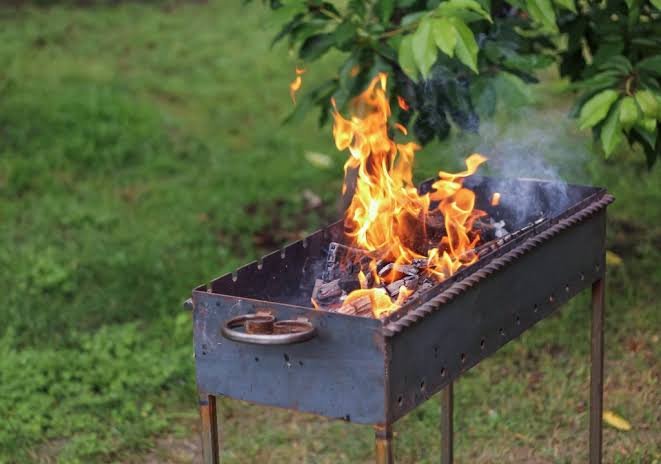
Winter brings colder temperatures, longer nights, and increased use of heating appliances in homes and workplaces. While staying warm is important, the equipment used to provide heat can introduce fire hazards when it is damaged, incorrectly installed, or operated without proper precautions.
In Pakistan, winter conditions vary considerably from region to region. Homes in colder areas may use gas heaters, electric heaters, wood-burning stoves, and other heating arrangements. In many locations, families also depend on generators and alternative electrical equipment during power interruptions.
These everyday activities can create risks involving fire, electrical faults, gas leaks, and carbon monoxide exposure. Ignoring these hazards can result in injuries, property damage, expensive repairs, and disruption to family life.
The real cost of winter fire hazards is not limited to the price of repairing a damaged building. It can also include medical expenses, the loss of important belongings, temporary relocation, and emotional distress.
Understanding winter fire risks and taking preventive measures can help households prepare for the colder months. A working fire alarm, properly maintained heating equipment, safe electrical practices, and a clear evacuation plan all contribute to a safer environment.
This article explains common winter fire hazards, the consequences of ignoring them, and practical ways to improve fire safety in Pakistani homes.
1. Why Winter Fire Hazards Require Special Attention
During winter, people often spend more time indoors and rely more heavily on heating appliances. These changes can affect the way electrical equipment, fuel-burning appliances, and household materials are used.
Some common winter hazards include:
- Portable electric heaters operating for extended periods.
- Gas heaters used in poorly ventilated rooms.
- Overloaded electrical sockets.
- Damaged heating appliance cables.
- Candles used during power outages.
- Generators operated in unsafe locations.
- Combustible materials placed near heaters.
- Poorly maintained chimneys and heating equipment.
The risk may increase when several hazards occur together. For example, an overloaded extension board connected to a heater may overheat, while nearby curtains or bedding provide combustible material.
Cold weather itself does not necessarily cause a fire. The concern is how people use heating equipment, electricity, and fuel to stay warm.
A winter safety review helps homeowners identify these conditions before the heating season becomes routine.
2. The Financial Cost of Winter House Fires
A residential fire can create several different financial burdens. The total cost depends on the size of the fire, the building materials involved, the extent of smoke damage, and whether people need temporary accommodation.
Property damage
Fire can damage walls, ceilings, flooring, doors, furniture, electrical installations, and household appliances.
Even a relatively small fire may produce smoke and soot that affect rooms beyond the immediate area of ignition.
Repair work may involve cleaning, repainting, replacing damaged materials, and inspecting electrical systems before the property can be safely used again.
Replacement of household belongings
Families may lose clothing, bedding, furniture, documents, electronic devices, and other essential belongings.
Some items may appear undamaged but could still require professional cleaning or replacement because of smoke, heat, or water damage.
Temporary accommodation
If a fire makes a home unsafe, occupants may need to stay with relatives or arrange temporary accommodation.
This can introduce additional expenses for transportation, meals, storage, and essential supplies.
Insurance and recovery expenses
Where insurance coverage exists, the recovery process may involve documentation, assessments, policy conditions, and deductibles.
Not every household has insurance that covers all fire-related losses. Homeowners should understand their policy terms rather than assume every expense will be reimbursed.
The overall financial impact can extend well beyond the cost of the damaged appliance.
3. The Human Cost of Ignoring Winter Fire Hazards
Financial losses are only one part of the consequences of a residential fire.
A fire can cause burns, smoke inhalation, and other serious injuries. Smoke may spread through rooms and escape routes, making it difficult for people to leave safely.
Children, elderly family members, and people with mobility limitations may need additional time or assistance during evacuation.
Smoke inhalation
Smoke contains a mixture of gases and particles that can irritate or injure the respiratory system.
A person may become disoriented or unable to escape safely when exposed to dense smoke.
This is one reason why early warning and a clear escape plan are important.
Carbon monoxide poisoning
Carbon monoxide is a poisonous gas that cannot be detected by smell or sight.
Fuel-burning appliances, including generators and heaters, can produce carbon monoxide when used improperly or when combustion and ventilation systems are defective.
Symptoms may include headache, dizziness, weakness, nausea, and confusion.
Anyone who suspects carbon monoxide exposure should move into fresh air immediately and seek emergency medical assistance. Do not re-enter the affected building until it has been declared safe.
Emotional and family disruption
A residential fire can interrupt daily routines, schooling, employment, and family responsibilities.
The loss of personal belongings and the need to leave a familiar home can also create emotional stress.
Preventing avoidable hazards is therefore important not only for protecting property but also for reducing the possibility of serious disruption to family life.
4. Electric Heaters: A Common Source of Winter Fire Risk
Electric heaters are used in many homes during colder weather. However, they require careful placement and appropriate electrical connections.
A heater may create a fire hazard if it is damaged, covered, placed near combustible materials, or connected to an unsuitable extension cord.
Keep heaters away from combustible materials
Curtains, bedding, clothing, paper, and upholstered furniture can ignite if exposed to sufficient heat.
The US Consumer Product Safety Commission recommends keeping portable heaters at least three feet away from materials that can burn. It also advises placing heaters on stable surfaces and switching them off when unattended.
Avoid overloaded sockets
High-power appliances draw substantial electrical current.
Connecting a heater to an overloaded extension board or unsuitable cable can cause overheating.
Electric heaters should be connected according to the manufacturer’s instructions, generally directly to an appropriate wall outlet rather than an extension cord or power strip.
Inspect the appliance
Before winter use, check the heater for visible damage, loose plugs, cracked cables, or other signs of deterioration.
Do not continue using equipment that produces unusual smells, sparks, or excessive heat.
If a heater requires repair, have it assessed by a qualified technician.
5. Gas Heaters and the Danger of Poor Ventilation
Gas heaters can provide warmth, but they require suitable installation, maintenance, and ventilation.
Incorrect use may introduce both fire hazards and carbon monoxide risks.
Check connections and equipment
Visible damage to hoses, connections, or appliance components should be assessed by a qualified professional.
Do not attempt to locate gas leaks with a match or lighter.
If you suspect a gas leak, avoid operating electrical switches or creating flames. Leave the area and contact the relevant gas emergency service from a safe location.
Never use a cooking stove as a room heater
A gas oven or cooking stove is not designed to provide space heating.
Using cooking appliances to heat an enclosed room can introduce fire and poisonous gas hazards.
Fuel-burning heating appliances should be used only as intended and in accordance with their manufacturer’s instructions.
Maintain adequate ventilation
Fuel-burning appliances require appropriate combustion air and exhaust arrangements.
Never use a fuel-burning heater in a poorly ventilated or enclosed sleeping area unless the appliance is specifically designed and approved for that application.
Where professional inspection is needed, have the appliance and its ventilation arrangements assessed before continued use.
6. Generator Safety During Winter Power Outages
Power interruptions can encourage households to use backup generators for lighting, heating-related electrical needs, and essential appliances.
However, generators introduce serious hazards if they are operated or connected incorrectly.
Carbon monoxide exposure
Portable fuel-powered generators produce exhaust containing carbon monoxide.
Never operate a portable generator inside a home, garage, basement, shed, or other enclosed area.
Opening doors or windows does not make indoor generator operation safe.
The US Consumer Product Safety Commission recommends placing portable generators outdoors at least 20 feet from the home, with exhaust directed away from buildings and openings.
This distance is a useful safety reference; users should also follow the generator manufacturer’s instructions and applicable local requirements.
Electrical hazards
Generators must be connected safely to avoid electrical shock, overloaded wiring, and dangerous backfeeding into utility lines.
Do not connect a generator directly to household wiring through an improvised arrangement.
A qualified electrician should install an appropriate transfer switch or other approved connection system where required.
Safe operation and maintenance
Keep generators dry and follow the manufacturer’s operating instructions.
Never refuel a running or hot generator. Switch it off and allow it to cool according to the manual before refueling.
Regular maintenance can help identify damaged components and operational problems before the equipment is needed during an outage.
7. Candles and Alternative Lighting During Power Outages
Candles may be used when electricity is unavailable, but open flames introduce an additional ignition source.
A candle can ignite curtains, paper, clothing, or other combustible materials if it tips over or is placed too close to them.
Safer lighting practices
Battery-powered torches and lanterns are generally preferable to open flames during a power outage.
If candles are used, place them in stable holders and keep them away from combustible materials, children, and pets.
Never leave a burning candle unattended or allow it to burn while everyone is asleep.
The US Consumer Product Safety Commission recommends using flashlights or battery-powered lanterns rather than candles during power outages.
8. Why a Fire Alarm System Matters During Winter
A fire alarm system provides an early warning when smoke or another detected fire condition is present.
This warning can help occupants recognize danger and begin evacuation before conditions become more difficult.
During winter, alarms deserve particular attention because heaters, electrical equipment, and alternative power arrangements may be used more frequently.
Smoke alarms and early warning
Smoke alarms are designed to detect smoke and alert occupants.
Homeowners should consider smoke alarms on every level of their home and inside sleeping areas, following applicable requirements and the manufacturer’s installation instructions.
Maintenance and testing
An alarm that has a depleted battery, damaged sensor, or obstructed opening may not perform as intended.
Check alarms regularly and test them according to their instructions. Replace batteries or devices when required.
Alarms with battery backup can provide continued protection during certain power interruptions.
Choosing a fire alarm system in Pakistan
When selecting a fire alarm system in Pakistan, consider the building’s size, number of floors, room arrangement, electrical supply, and potential fire hazards.
A small home may use standalone smoke alarms, while a larger residence or shared building may require a professionally designed detection system.
The selection should be based on the property’s needs and applicable requirements rather than simply choosing the most complicated equipment.
For information about fire safety equipment and related services, homeowners can visit Flame Defender .
9. The Cost of Ignoring Fire Extinguisher Maintenance
A fire extinguisher can be useful for certain small fires, but it must be appropriate for the hazard and maintained correctly.
An extinguisher that is damaged, discharged, inaccessible, or unsuitable for the fire may not provide the intended protection.
Choose the correct type
Different extinguishers are designed for different fire classes.
A unit suitable for ordinary combustible materials may not be suitable for burning cooking oil or certain electrical hazards.
Homeowners should obtain professional guidance about the correct extinguisher for their property.
Check its condition
Inspect the equipment according to the manufacturer’s instructions and applicable requirements.
Check that it is accessible, visibly undamaged, and within its required service period.
Do not attempt to fight a fire that is spreading or blocking an escape route. Evacuate and contact emergency services.
10. How Winter Fire Hazards Affect Businesses and Workplaces
Winter fire risks are not limited to residential properties.
Offices, shops, workshops, warehouses, and other workplaces may use heating equipment, electrical appliances, generators, and temporary power arrangements.
A fire in a workplace can damage stock, equipment, records, and building infrastructure.
It may also interrupt business operations and affect employees, customers, suppliers, and other people who depend on the organization.
Workplace prevention measures
Businesses should review:
- Heating equipment and electrical connections.
- Fire detection and alarm systems.
- Emergency exits and escape routes.
- Fire extinguishers and other protection equipment.
- Storage of combustible materials.
- Staff awareness and evacuation procedures.
- Maintenance records for installed safety systems.
The scale of the review should reflect the building’s use, occupancy, equipment, and applicable local requirements.
A professional fire safety audit can help identify technical issues that are not obvious during a routine visual inspection.
11. Prepare Your Home Before Winter Begins
Preventive maintenance is easier when it is completed before heating equipment is used regularly.
A winter safety review should cover the main sources of ignition, equipment condition, and emergency arrangements.
Heating equipment
Inspect heaters, fuel-burning appliances, and other heating equipment according to their manufacturer’s instructions.
Arrange professional servicing where required.
Electrical installations
Look for damaged cables, overloaded outlets, and other visible warning signs.
Have electrical problems assessed by a qualified electrician.
Smoke and carbon monoxide alarms
Test installed alarms according to their instructions.
Replace batteries and devices when required, and ensure that alarms are not obstructed.
Smoke alarms and carbon monoxide alarms serve different purposes. A smoke alarm should not be assumed to provide carbon monoxide detection unless it is specifically designed for both.
Emergency escape routes
Keep doors, hallways, and stairs clear.
Make sure family members know how to leave the building and where to meet outside.
Fire safety equipment
Check that extinguishers and other installed equipment are accessible and maintained according to their instructions.
12. Develop a Family Winter Fire Safety Plan
A fire safety plan helps household members respond more consistently during an emergency.
The plan should be straightforward and suitable for everyone living in the home.
Include:
- Primary and alternative escape routes.
- A safe outdoor meeting point.
- Emergency contact information.
- Instructions for children and visitors.
- Assistance arrangements for anyone who may need help evacuating.
- A reminder never to return to a burning building.
Practise the escape plan and make sure family members understand what to do when a smoke alarm sounds.
Children should know how to leave the house without stopping to collect personal belongings.
13. A Practical Winter Fire Safety Checklist
Use this checklist to review common winter hazards before and during the heating season.
- Electric heaters are undamaged and used according to instructions.
- Heaters are kept away from curtains, bedding, and other combustible materials.
- High-power appliances are connected to suitable electrical outlets.
- Gas appliances and visible connections have been checked.
- Fuel-burning appliances have appropriate ventilation.
- Generators are operated outdoors in accordance with safety instructions.
- Smoke alarms are installed appropriately and tested.
- Carbon monoxide alarms are provided where appropriate.
- Fire extinguishers are accessible and maintained.
- Escape routes and stairways are clear.
- Candles are never left unattended.
- Family members understand the emergency escape plan.
If a problem is identified, record it and arrange appropriate corrective action. Serious electrical, gas, or fire protection issues should be addressed by qualified professionals.
14. The Importance of Regular Fire Safety Audits
A winter fire safety audit is an opportunity to examine how household conditions change when heating equipment and backup power systems are used more frequently.
A basic inspection can identify visible hazards, but some issues require specialist knowledge.
For example, a homeowner may notice a damaged cable but may not be qualified to assess the electrical installation supplying a high-power appliance.
Similarly, a visual check cannot establish that a complex fire alarm system is fully operational.
A professional assessment may be appropriate for larger homes, shared residential buildings, or properties with installed fire protection systems.
The inspection should consider the building’s design, equipment, occupancy, and applicable local requirements.
Regular reviews also help households keep track of repairs, equipment servicing, and changes in their emergency arrangements.
Conclusion
The real cost of ignoring winter fire hazards can include property damage, medical expenses, the loss of household belongings, and serious disruption to family life.
Many winter hazards are connected to everyday activities, such as using heaters, operating generators, cooking, and relying on alternative lighting during power outages.
Safe equipment, regular maintenance, suitable ventilation, and careful electrical practices can help reduce these risks.
A working fire alarm system, appropriate firefighting equipment, and a clear family escape plan are also important parts of household preparedness.
For homeowners in Pakistan, winter is a useful time to review heating arrangements and make sure that fire safety measures remain suitable for the property.
Taking practical precautions before problems arise can help families protect their homes, prepare for emergencies, and make safer decisions throughout the colder months.
Frequently Asked Questions (FAQs)
1. What Are the Most Common Winter Fire Hazards?
Common winter hazards include electric heaters, gas heaters, overloaded electrical sockets, damaged appliance cables, candles, generators, and combustible materials placed near heating equipment.
2. Why Is a Fire Alarm System Important During Winter?
A fire alarm system can provide an early warning of smoke or a detected fire condition. This warning helps occupants recognize danger and begin evacuation. Alarms should be installed, tested, and maintained according to their instructions.
3. Can I Use a Generator Inside My Garage During a Power Outage?
No. A portable fuel-powered generator should never be operated inside a garage, even if the garage door is open. Generator exhaust contains poisonous carbon monoxide. Operate it outdoors in accordance with the manufacturer’s safety instructions.
4. How Can I Reduce the Risk of Electric Heater Fires?
Keep heaters away from combustible materials, place them on stable surfaces, inspect cables for damage, and connect them according to the manufacturer’s instructions. Avoid unsuitable extension cords and switch off portable heaters when they are unattended or when you go to sleep.
5. How Can I Prepare My Home for Winter Fire Safety?
Inspect heating equipment and visible electrical hazards, maintain smoke alarms, consider carbon monoxide alarms where appropriate, keep escape routes clear, check fire extinguishers, and practise a family evacuation plan. Seek professional assistance for technical systems and repairs.