
Summer is a season of long days, outdoor activities, travel, and increased use of cooling appliances. However, hot weather can also bring fire-related risks that affect homes, offices, factories, warehouses, farms, and public spaces.
In Pakistan, summer fire safety deserves attention because high temperatures, dry vegetation, increased electricity demand, and unsafe handling of combustible materials can combine to create hazardous conditions. The National Disaster Management Authority (NDMA) identifies heat, electricity-system overload, and unsafe wiring as factors that may increase urban fire risk during the warm season.
The topic “pros and cons of summer fire hazards” requires an important distinction: fires that threaten people, property, or the environment do not have genuine benefits. The useful aspect of understanding seasonal fire hazards is that awareness can help people prevent incidents, prepare for emergencies, and improve safety arrangements.
This article explores the possible disadvantages of summer fire hazards, the practical value of seasonal preparedness, and ways to reduce risks. It also explains how a Fire alarm system in Pakistan can contribute to a comprehensive fire safety plan.
1. Understanding Summer Fire Hazards
A fire hazard is a condition, material, or activity that increases the possibility of a fire starting or makes its consequences more severe.
During summer, several factors may contribute to fire risk:
- High temperatures and prolonged dry weather.
- Dry grass, leaves, and other vegetation.
- Extended use of air conditioners, fans, refrigerators, and electrical equipment.
- Damaged wiring, overloaded sockets, or faulty appliances.
- Unsafe use or storage of fuels and flammable liquids.
- Outdoor cooking, waste burning, and careless disposal of smoking materials.
- Poorly maintained generators and backup power systems.
These factors do not mean that every summer day will result in a fire. Actual risk depends on local weather, building conditions, the materials present, and the safety practices followed by individuals and organizations.
Understanding these factors helps people identify hazards before they become emergencies.
2. The Pros: Benefits of Understanding Summer Fire Hazards
Summer fire hazards themselves are harmful. However, learning about them can provide practical benefits for households, businesses, and communities.
Better awareness of seasonal risks
Recognizing common fire hazards makes it easier to identify unsafe conditions.
For example, a homeowner may notice an overheated extension cord, while a warehouse manager may identify combustible packaging stored too close to electrical equipment.
Awareness encourages people to take preventive action instead of waiting for an incident.
Improved emergency preparedness
Summer can be a useful time to review fire safety arrangements.
Families can identify escape routes, choose an outdoor meeting point, and make sure everyone knows how to contact emergency services. Businesses can review evacuation procedures, assign emergency responsibilities, and check whether exits remain accessible.
Preparedness cannot eliminate every fire risk, but it can help people respond more effectively.
Timely electrical maintenance
Increased use of cooling appliances creates a reason to inspect electrical equipment and installations.
Checking wiring, plugs, sockets, circuit protection, and appliance condition may reveal defects that need professional attention.
Routine maintenance also encourages safer practices, such as avoiding overloaded extension cords and replacing damaged cables.
Greater attention to fire detection
Seasonal awareness may encourage property owners to check their smoke detectors and fire alarm systems.
A functioning alarm can alert occupants to signs of a developing fire, including when the incident begins in an area that is not immediately visible. This warning may provide valuable time to evacuate and contact emergency responders.
Stronger community cooperation
Fire prevention can bring neighbors, schools, businesses, and local organizations together.
Communities can share safety information, keep emergency access routes clear, report fires promptly, and help ensure that people who may need evacuation assistance are considered in local planning.
These are benefits of prevention and preparedness, not benefits of fire hazards themselves.
3. The Cons: Major Summer Fire Hazards
The disadvantages of summer fire hazards include injuries, property damage, environmental harm, and disruption to everyday life.
Hot weather and dry vegetation
Hot, dry conditions can contribute to the drying of grass, leaves, shrubs, and other vegetation. Where combustible material is abundant, a fire may spread quickly, particularly when wind and other environmental conditions support its movement.
Outdoor fires can threaten homes, farms, roads, power infrastructure, and natural habitats. Smoke can reduce visibility and affect air quality, while remote locations may present challenges for emergency responders.
The NDMA’s summer planning includes forest-fire preparedness, early detection, community awareness, and coordination among relevant authorities.
Increased electricity demand
During summer, people may run air conditioners, fans, refrigerators, water pumps, and other electrical equipment for extended periods.
Fire risks can arise from:
- Overloaded sockets and extension cords.
- Damaged wiring or insulation.
- Loose electrical connections.
- Faulty switches or appliances.
- Incorrectly installed electrical equipment.
- Poorly maintained distribution boards.
Electrical equipment should be used within its rated capacity. Damaged wiring and repeated circuit-breaker trips should be inspected by a qualified electrician rather than ignored.
Generator and backup power hazards
Power interruptions may lead homes and businesses to use generators, UPS systems, or other backup equipment.
Incorrect installation, unsafe electrical connections, fuel leaks, and poor maintenance can create hazards. Generators also produce carbon monoxide, a poisonous gas that can cause serious injury or death.
Generators must never be operated indoors or in enclosed spaces. Follow the manufacturer’s instructions and use qualified professionals for installation and electrical connections.
Unsafe storage of flammable materials
Garages, workshops, factories, shops, and warehouses may contain petrol, diesel, solvents, paints, packaging, textiles, paper, or other combustible materials.
When these materials are stored carelessly near heat sources or ignition points, a small incident can become more serious.
Businesses should assess the hazards associated with stored materials, maintain good housekeeping, and follow appropriate requirements for storage, ventilation, separation, and fire protection.
Outdoor cooking and waste burning
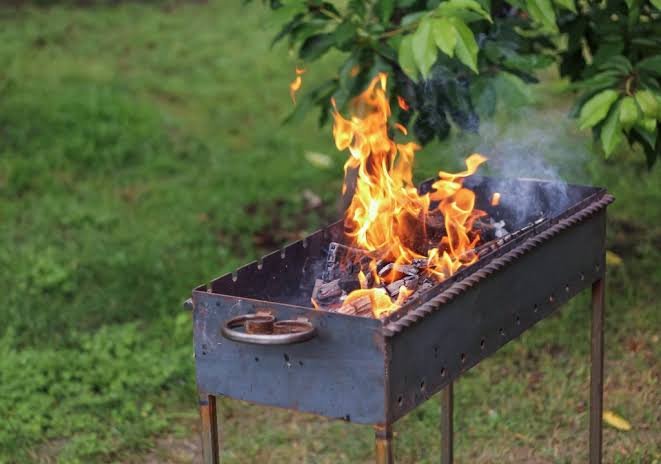
Barbecues, open-flame cooking, burning rubbish, and careless disposal of hot charcoal can cause fires, particularly near dry vegetation or combustible materials.
A fire that appears extinguished may still contain hot embers capable of reigniting. Outdoor cooking equipment should be used in a suitable location, supervised throughout use, and kept away from combustible materials.
Avoid burning waste where it is prohibited or unsafe. Use designated disposal methods and follow local fire restrictions.
Damage to health and property
A fire can cause burns, smoke inhalation, injuries during evacuation, and damage to buildings and equipment.
For businesses, the consequences may include damaged inventory, interrupted operations, repair expenses, lost income, and disruption to employees and customers.
The effects can also extend beyond the location where the fire begins. Smoke, flames, and blocked access routes may affect neighboring buildings, roads, and emergency services.
4. Summer Fire Hazards in Different Environments
Every building has different fire risks. Prevention measures should reflect the activities, equipment, and materials present.
Homes and apartments
Common hazards include unattended cooking, overloaded sockets, faulty appliances, candles, and electrical equipment placed near curtains or bedding.
Households should keep exits clear, store matches and lighters safely, and install and maintain smoke alarms according to manufacturer instructions.
Offices and commercial buildings
Offices may contain computers, printers, electrical distribution equipment, paper records, furniture, and stored supplies.
Managers should keep electrical rooms and exit routes clear, arrange appropriate inspections, and ensure that employees understand evacuation procedures.
Warehouses and factories
Industrial premises may contain large quantities of combustible stock, machinery, packaging, chemicals, or dust.
Fire protection should be designed around the actual hazards and layout of the facility. A risk assessment can help determine appropriate detection, alarm, suppression, access, and evacuation arrangements.
Schools, hospitals, and public buildings
Buildings used by children, patients, older adults, or people with mobility limitations need evacuation plans that consider assistance requirements.
Staff should understand alarm signals, exit routes, assembly points, and assigned emergency responsibilities. Drills should be planned to suit the building and its occupants.
Farms and outdoor areas
Dry crops, stored hay, machinery, fuel, and vegetation can create particular risks during hot and dry periods.
Farm operators should maintain separation between ignition sources and combustible materials, inspect machinery, and know how to report fires promptly.
5. The Role of a Fire Alarm System in Pakistan
A fire alarm system is an important part of a building’s fire protection arrangements. Its primary purpose is to detect specified signs of fire and alert occupants so they can respond promptly.
When evaluating a Fire alarm system in Pakistan, property owners should consider the building type, its occupancy, the materials present, and the risks associated with its activities.
A fire alarm does not prevent every fire, extinguish flames, or guarantee that everyone will escape safely. It works alongside prevention, firefighting equipment, maintenance, and evacuation planning.
Main components of a fire alarm system
Smoke detectors: These detect smoke particles and can provide an early warning when a fire begins. Their placement should reflect the building layout and manufacturer guidance.
Heat detectors: These respond to specified temperature conditions or temperature changes. They may be appropriate in certain locations where smoke detection is unsuitable.
Manual call points: These allow a person who discovers a fire to activate the alarm manually, where such devices are installed.
Fire alarm control panel: The panel receives and processes signals from connected devices and indicates alarm or fault conditions according to the system design.
Sounders and visual alarms: These alert occupants through audible and visual signals. Their coverage should account for noise, visibility, building size, and the needs of occupants.
Why early warning matters
A fire may start while occupants are sleeping, working in another room, or away from the immediate area. A functioning alarm can draw attention to a developing incident that might otherwise go unnoticed.
In commercial buildings, early notification can help staff begin evacuation procedures and contact emergency responders. In homes, it may alert family members to leave before smoke and heat make escape more difficult.
The effectiveness of a fire alarm depends on appropriate design, installation, testing, maintenance, and a clear response plan.
Choosing a suitable system
When selecting a fire alarm system in Pakistan, property owners and managers should consider:
- Building size, use, and occupancy.
- The type and quantity of combustible materials present.
- Locations of kitchens, electrical rooms, generators, and storage areas.
- Whether standalone alarms or a connected system are appropriate.
- Audible and visual notification requirements.
- Backup power and fault monitoring.
- Maintenance support and replacement component availability.
- Applicable local building requirements and fire authority guidance.
A qualified fire safety professional can help assess the site and determine suitable equipment and coverage. Choosing a system based only on its purchase price may overlook important installation and maintenance needs.
6. Practical Ways to Prevent Summer Fires
Fire prevention begins with controlling ignition sources, reducing combustible hazards, and maintaining equipment.
Inspect electrical installations
Have wiring, distribution boards, sockets, and electrical equipment checked by a qualified electrician when needed.
Replace damaged cables and defective accessories. Avoid makeshift connections and overloaded sockets, and use electrical equipment according to its rating and manufacturer instructions.
Maintain cooling equipment
Air conditioners, fans, and other cooling appliances should be installed and maintained correctly.
Keep ventilation openings unobstructed and address unusual smells, excessive heat, damaged cables, or abnormal operation promptly.
Do not ignore repeated circuit-breaker trips, which may indicate an electrical problem requiring professional inspection.
Store fuels and chemicals safely
Keep flammable liquids in appropriate, labelled containers and designated storage areas.
Follow applicable requirements for ventilation, separation, quantities, and handling. Keep fuels away from flames, hot surfaces, and electrical ignition sources.
Keep exits and access routes clear
Escape routes, stairways, corridors, and fire exits should remain unobstructed.
Avoid placing cartons, furniture, waste, or equipment where they could delay evacuation. Buildings should have clear exit signage and arrangements suitable for occupants who may need assistance.
Maintain fire protection equipment
Smoke alarms, fire alarm systems, extinguishers, emergency lighting, and other installed equipment should be inspected and maintained according to manufacturer instructions and applicable requirements.
A fire extinguisher must be suitable for the types of fire that may occur in its location. People should only attempt to use one when trained, the fire is small and manageable, and a safe escape route remains available.
7. Creating a Summer Fire Safety Plan
A written plan helps families and organizations understand what to do before, during, and after a fire.
Prepare a basic checklist
- Inspect electrical wiring and repair damaged components.
- Avoid overloading sockets and extension cords.
- Keep combustible materials away from heat sources.
- Check smoke alarms and fire alarm equipment.
- Keep exits, corridors, and stairways clear.
- Confirm that suitable fire extinguishers are maintained.
- Review evacuation routes and an outdoor meeting point.
- Make sure occupants know how to report a fire.
- Store fuels and flammable products safely.
- Review the plan before periods of extreme heat or dry weather.
Plan for evacuation
Every household or workplace should identify safe exit routes and a meeting point outside the building.
Consider how children, visitors, people with disabilities, and anyone who may need assistance will evacuate.
Staff should know who is responsible for raising the alarm, contacting emergency services, and accounting for occupants when it is safe to do so.
Do not rely on elevators during a fire. Use designated escape routes and follow instructions from emergency personnel.
Practice the response
Fire drills help occupants become familiar with alarms, exits, and assembly arrangements.
Businesses and institutions should organize drills appropriate to their premises and responsibilities. The NDMA’s summer contingency planning includes preparedness, risk assessment, community awareness, early warning, and response coordination.
8. What to Do If a Fire Starts
When a fire is discovered, protecting life takes priority over protecting belongings.
- Raise the alarm. Activate a manual call point if one is available and alert people nearby.
- Evacuate promptly. Use a safe exit route and do not stop to collect possessions.
- Contact emergency services. Once safe, call the relevant local fire and rescue service and provide the location and nature of the incident.
- Stay outside. Do not re-enter the building until emergency responders say it is safe.
- Follow official instructions. Keep access routes clear for responding crews.
If smoke is present, avoid entering smoke-filled areas. Smoke can contain toxic gases and make escape difficult.
If your escape route is blocked, move away from the fire, close doors between yourself and the smoke if possible, and contact emergency services to explain your location.
Do not attempt to fight a spreading fire or one involving dangerous chemicals, gas cylinders, or electrical equipment unless you are trained and the circumstances permit a safe response.
9. Balancing Summer Fire Risks With Preparedness
The disadvantages of summer fire hazards include potential injuries, property damage, business disruption, environmental harm, and pressure on emergency services.
The practical value of understanding these hazards lies in identifying risks early and taking action. Regular maintenance, safe storage, suitable detection systems, clear evacuation routes, and staff training can help reduce preventable hazards and improve readiness.
For property owners, selecting a suitable Fire alarm system in Pakistan is one part of a broader approach to fire safety. It should be supported by proper installation, routine testing, suitable firefighting equipment, and an evacuation plan that occupants understand.
No single device can replace prevention, and no checklist can remove every risk. Consistent safety practices, however, can help households and organizations prepare for summer conditions more effectively.
Conclusion
Summer fire hazards deserve attention because hot weather, dry vegetation, increased electrical demand, and unsafe storage practices can create dangerous conditions. The risks vary by location and building type, so prevention measures should reflect the actual environment.
There are no genuine advantages to a fire that threatens people or property. The value lies in using seasonal awareness to improve maintenance, preparedness, and emergency response.
Whether protecting a home, school, warehouse, office, or factory, fire safety begins with identifying hazards and taking practical steps to control them. A properly selected and maintained fire alarm system, combined with safe electrical practices and a clear evacuation plan, can contribute to a more prepared environment.
Frequently Asked Questions (FAQs)
1. Why can summer increase fire hazards in Pakistan?
Hot and dry conditions can contribute to the drying of vegetation, while increased use of electrical appliances may place greater demand on electrical installations. Unsafe fuel storage, outdoor burning, and poor maintenance can add further risks. The actual level of danger depends on local conditions and activities.
2. What are common summer fire hazards at home?
Common hazards include overloaded sockets, damaged wiring, faulty appliances, unattended cooking, unsafe generator connections, and flammable materials stored near heat sources. Regular inspections and safe equipment use can help reduce these risks.
3. How does a fire alarm system help during summer?
A fire alarm system detects specified signs of fire and alerts occupants. This warning may help people evacuate and contact emergency services sooner. Its performance depends on suitable design, installation, testing, and maintenance.
4. How can businesses reduce summer fire risks?
Businesses can inspect electrical installations, maintain cooling and backup power equipment, store flammable materials safely, keep exits clear, maintain fire protection equipment, and train employees in evacuation procedures. A site-specific risk assessment can help identify additional requirements.
5. What should I do first if a fire starts in my building?
Raise the alarm, alert others, and evacuate using a safe route. Contact the local fire and rescue service once you are safe. Do not re-enter the building or attempt to tackle a spreading fire. Follow emergency responders’ instructions.