
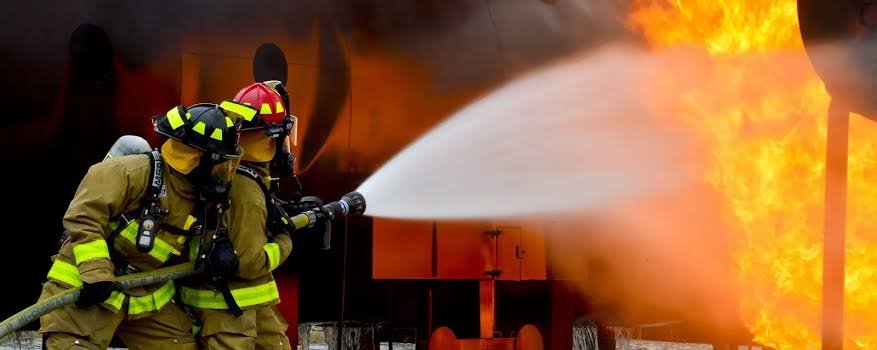
Factories are an important part of Pakistan’s economy. They provide employment, manufacture essential products, and support industries such as textiles, food processing, pharmaceuticals, chemicals, and engineering. However, industrial workplaces can also face serious fire hazards because of machinery, electrical equipment, combustible materials, and high-temperature processes.
A factory fire can cause injuries, loss of life, property damage, production delays, and financial losses. In some cases, fire can spread to nearby buildings and put surrounding communities at risk.
Factory fire safety is therefore an essential responsibility of employers, managers, supervisors, and workers. It involves preventing fires, detecting danger early, maintaining firefighting equipment, preparing evacuation plans, and training employees to respond correctly.
A well-planned fire safety program does not focus only on controlling fires after they begin. It aims to reduce the possibility of ignition and ensure that everyone knows how to respond when an emergency occurs.
This article explains the importance of factory fire safety, common industrial fire hazards, fire prevention methods, emergency procedures, and the role of fire protection systems in Pakistan.
1. What Is Factory Fire Safety?
Factory fire safety refers to the procedures, equipment, and preventive measures used to protect industrial workplaces from fire-related risks.
Factories often contain large quantities of raw materials, finished products, packaging, machinery, and electrical equipment. Some facilities also use flammable liquids, gases, and chemicals. These conditions require carefully planned safety measures.
A factory fire safety program generally includes:
- Identifying potential fire hazards.
- Maintaining safe electrical installations and machinery.
- Storing combustible materials correctly.
- Installing suitable fire detection and alarm systems.
- Providing appropriate firefighting equipment.
- Keeping emergency exits accessible.
- Training employees in emergency procedures.
- Inspecting and maintaining safety equipment.
Each measure plays a different role. Fire alarms provide warnings, extinguishers can help control certain small fires, and emergency exits allow workers to evacuate.
Together, these measures help create a safer working environment.
2. Common Causes of Factory Fires
Understanding the causes of factory fires helps management identify hazards and take preventive action.
Electrical faults
Electrical faults are an important fire hazard in industrial workplaces. Damaged wires, overloaded circuits, loose connections, defective electrical panels, and poorly maintained motors can generate excessive heat or sparks.
Factories using heavy machinery may have substantial electrical demands. If electrical systems are incorrectly installed or maintained, the risk of overheating and ignition can increase.
Regular inspections, proper circuit protection, and timely repairs help reduce these hazards.
Flammable materials
Factories may store materials such as textiles, paper, cardboard, wood, oils, paints, solvents, and chemicals.
These materials can contribute to fire growth if they are exposed to ignition sources.
Combustible materials should be stored in appropriate locations and kept away from hot surfaces, electrical equipment, and other potential ignition sources.
Welding and hot work
Welding, cutting, grinding, and similar activities produce sparks and heat. These can ignite nearby combustible materials, including dust, packaging, and waste.
Factories should establish hot-work procedures that include hazard assessment, removal or protection of nearby combustible materials, and suitable fire precautions.
Machinery overheating
Industrial machinery may generate heat through friction, mechanical faults, inadequate lubrication, or restricted ventilation.
If machinery is not maintained properly, overheated components may ignite nearby materials.
Preventive maintenance helps identify problems before they develop into serious hazards.
Chemical reactions
Some industrial chemicals are flammable or may react dangerously when mixed with incompatible substances.
Incorrect storage, damaged containers, chemical leaks, and inadequate ventilation can create dangerous conditions.
Factories handling chemicals should follow relevant safety data sheets and establish appropriate storage, handling, and emergency procedures.
Human error
Unsafe smoking, careless handling of flammable materials, improper equipment operation, and failure to follow safety procedures can contribute to fires.
Training, supervision, and clear workplace instructions can help reduce these risks.
3. The Importance of Fire Prevention
Fire prevention is one of the most important parts of factory safety. Preventing a fire from starting can avoid injuries, equipment damage, production interruptions, and costly emergency responses.
Regular workplace inspections
Factories should inspect production areas, storage rooms, electrical installations, machinery, and escape routes.
Inspections should identify damaged cables, leaking containers, excessive dust, overheating equipment, and blocked exits.
Any identified problems should be documented and corrected promptly.
Good housekeeping
Clean and organized workplaces reduce unnecessary combustible materials.
Factories should remove waste regularly, clean spills safely, and keep production and storage areas organized.
Cotton dust, sawdust, oily rags, and paper waste require special attention because they can contribute to fire hazards.
Safe working practices
Employees should operate machinery according to workplace procedures and manufacturer instructions.
Damaged equipment should be reported immediately. Workers should not bypass safety devices or continue using machinery that presents an obvious fire hazard.
4. The Role of Fire Alarm Systems in Factory Safety
Fire alarm systems are an important part of industrial fire protection. Their main purpose is to detect signs of fire and warn people so they can take appropriate emergency action.
Factories can be large, noisy, and divided into different production and storage areas. Workers may not immediately notice smoke or flames, especially when machinery is operating.
An appropriately designed fire alarm system can help address these challenges.
Early fire detection
Fire detection devices identify signs such as smoke, heat, or flame radiation.
Different detectors are suitable for different environments:
- Smoke detectors may be appropriate for offices and relatively clean indoor spaces.
- Heat detectors may be useful in areas where dust or normal production conditions could cause unwanted smoke detector activations.
- Flame detectors may be suitable for selected industrial processes involving specific fire hazards.
Detector selection and placement should be based on the factory’s conditions and a suitable professional assessment.
Warning workers
When a fire is detected, the system can activate audible alarms, visual warning devices, or other suitable notification equipment.
In noisy factories, visual notification may be necessary to ensure workers recognize the warning.
Alarm signals should be clear, recognizable, and connected to an established emergency response procedure.
Supporting emergency response
Depending on its design, a fire alarm system may communicate with a control room, monitoring station, or compatible fire protection equipment.
The system should support the factory’s emergency plan by helping workers and designated personnel respond appropriately.
Choosing the right fire alarm system
Factories may use conventional or addressable fire alarm systems, depending on their size, layout, operational requirements, and fire hazards.
A conventional system identifies an alarm zone, while an addressable system can provide more specific information about the activated device.
The selection should consider the building’s layout, environmental conditions, maintenance requirements, and applicable regulations.
For industrial facilities, a suitable fire alarm system in Pakistan should be selected according to the site’s specific needs rather than simply choosing the cheapest available equipment.
5. Firefighting Equipment Used in Factories
Factories require appropriate firefighting equipment to address the different fire hazards present in their operations.
Fire extinguishers
Portable fire extinguishers are intended for suitable small fires.
Different extinguishers are designed for different fire types.
| Extinguisher type | Typical application |
|---|---|
| Water | Ordinary combustible materials, where appropriate |
| Foam | Certain solid-material and flammable-liquid fires |
| Carbon dioxide | Certain electrical equipment and flammable-liquid fires |
| Dry chemical powder | Selected fire classes, depending on its rating |
The correct extinguisher depends on the material involved. Water must not be used on energized electrical equipment or materials that react dangerously with water.
Employees should only attempt to extinguish a small fire if they are trained, have the correct equipment, and can maintain a safe escape route.
Fire hose reels
Fire hose reels provide access to water for firefighting where appropriate.
They should be installed in suitable locations, remain accessible, and receive regular inspection and maintenance.
Fire hydrants
Hydrant systems provide water connections for firefighting operations.
Their effectiveness depends on suitable water supply, pressure, access, and maintenance.
Factories should ensure that hydrants and associated equipment are not obstructed by vehicles, stored goods, or waste.
Automatic sprinkler systems
Automatic sprinklers respond to heat and release water to help control or suppress fires.
They may be appropriate in certain factories, warehouses, and storage facilities.
Sprinkler design should account for building height, storage arrangements, water supply, and the materials present. Some industrial hazards require specialized suppression systems rather than ordinary water sprinklers.
6. Safe Storage of Flammable Materials
Safe storage is essential in factories that handle flammable liquids, gases, chemicals, or combustible materials.
Poor storage arrangements can allow a small fire to spread rapidly.
Separate incompatible chemicals
Some chemicals can react dangerously when stored together.
Factories should identify incompatible substances and store them according to relevant safety requirements.
Use appropriate containers
Flammable materials should be kept in suitable containers designed for the substance being stored.
Containers should be clearly identified, properly closed where required, and inspected for damage or leakage.
Provide suitable storage areas
Flammable liquids and gases should be stored in designated areas with appropriate ventilation and protection against ignition sources.
Gas cylinders should be secured and handled according to the requirements for the specific gas.
Remove waste regularly
Combustible waste should not be allowed to accumulate around machinery, electrical panels, production lines, or emergency exits.
Proper waste management reduces unnecessary fire hazards and improves workplace organization.
7. Electrical Safety and Machinery Maintenance
Electrical systems and machinery should be maintained to prevent faults that could cause fires.
Electrical inspections
Qualified personnel should inspect electrical panels, wiring, motors, and protective devices.
Signs of overheating, burning smells, damaged insulation, or repeated circuit trips should be investigated promptly.
Electrical repairs should be completed by appropriately qualified workers.
Preventive machinery maintenance
Factories should establish maintenance schedules for equipment such as motors, conveyors, compressors, furnaces, and production machinery.
Maintenance may include cleaning, lubrication, inspection of moving components, and checking safety systems.
Equipment that presents an immediate hazard should be isolated and repaired before being returned to service.
Generator safety
Backup generators can introduce additional fire hazards if installed or operated incorrectly.
They require appropriate ventilation, safe fuel storage, suitable electrical connections, and protection from combustible materials.
Fuel should be handled carefully, particularly around hot engine components and ignition sources.
8. Emergency Exits and Evacuation Planning
A factory needs a clear evacuation plan so workers can leave the building safely during a fire.
Even a facility with modern fire protection equipment may experience an emergency that requires immediate evacuation.
Clearly marked exits
Emergency exits should be clearly identified and kept free from obstructions.
Workers should know where exits are located and understand which routes they should use during an emergency.
Accessible escape routes
Escape routes should remain clear of machinery, stored materials, and waste.
Factories should assess whether employees can reach safe exits from all occupied areas.
Assembly points
An assembly point provides a designated location where evacuated workers can gather.
It should be positioned away from immediate hazards while allowing emergency responders to access the facility.
Employee accountability
Factories should establish procedures to determine whether employees, contractors, and visitors have evacuated.
Supervisors or designated personnel should communicate relevant information to emergency responders.
No employee should re-enter a dangerous building to search for a missing person.
9. Employee Training and Fire Safety Awareness
Employee training is essential because workers need to understand how to prevent fires and respond to emergencies.
Fire hazard awareness
Workers should learn about hazards related to their particular jobs.
For example, textile workers may need training about combustible fibres and dust, while maintenance teams may require additional instruction about hot work and electrical safety.
Alarm response
Employees should understand what the factory’s alarm signals mean and what actions are expected when they hear or see an alarm.
Training should cover evacuation routes, assembly points, and emergency communication procedures.
Fire extinguisher training
Workers expected to use extinguishers should receive appropriate instruction.
They should understand how to identify suitable equipment, recognize unsafe conditions, and determine when evacuation is necessary.
Emergency drills
Emergency drills help employees practise evacuation procedures and allow management to identify problems.
Drills should be reviewed afterward so that any weaknesses in communication, exit access, or employee accountability can be corrected.
10. Factory Fire Safety Challenges in Pakistan
Factories in Pakistan operate under different conditions depending on their location, industry, building design, and available resources.
These differences mean that fire safety arrangements should be tailored to individual facilities.
Older industrial buildings
Some factories operate in older buildings that may have undergone changes over time.
Additional machinery, increased storage, or changes in production can affect escape routes and fire protection requirements.
Management should reassess fire safety whenever major changes occur.
High-density production areas
Closely arranged machinery and large quantities of stored goods can make access and evacuation more difficult.
Factories should ensure that production and storage arrangements do not compromise emergency routes or access to fire protection equipment.
Environmental conditions
Dust, humidity, heat, and airborne industrial particles can affect fire detection equipment.
Equipment should be suitable for the environment in which it is installed, with maintenance arrangements that account for actual operating conditions.
Worker awareness
Employees need to understand safety instructions regardless of their educational background or job role.
Training should use clear language, practical demonstrations, and instructions workers can follow during an emergency.
11. Fire Safety Regulations in Pakistan
Factories should identify the fire safety and occupational safety requirements applicable to their location, building type, and industrial activity.
Requirements may involve provincial legislation, building regulations, workplace rules, and directions from relevant authorities.
Regulations can differ across provinces and territories, so employers should confirm which requirements apply to their facility.
For example, the Sindh Occupational Safety and Health Rules, 2019, contain provisions relating to firefighting equipment, alarms, escape arrangements, and fire safety provisions associated with the Pakistan Building Code. These rules are specific to Sindh and should not automatically be treated as applicable throughout Pakistan.
Practical compliance steps
Factories can support compliance by:
- Identifying applicable laws and authorities.
- Reviewing building approvals and fire safety documentation.
- Arranging appropriate fire risk assessments.
- Maintaining equipment inspection and repair records.
- Training employees and documenting emergency drills.
- Correcting identified safety deficiencies.
Where requirements are unclear, factories should consult qualified fire protection professionals and relevant authorities.
12. Inspection and Maintenance of Fire Safety Equipment
Fire protection equipment must remain in working condition to provide protection during an emergency.
Installing equipment is only the first step. Regular inspection and maintenance are equally important.
Fire alarm maintenance
Fire alarm systems should be inspected, tested, and maintained according to applicable requirements and manufacturer recommendations.
Maintenance should cover relevant detectors, control equipment, notification devices, backup power, and fault indications.
Dust and contamination should be addressed where they could affect detector performance.
Fire extinguisher maintenance
Extinguishers should remain accessible, correctly identified, and in serviceable condition.
Damaged, discharged, or defective equipment should be repaired or replaced as appropriate.
Sprinkler and hydrant maintenance
Fixed fire protection systems require inspection and testing of relevant components, including water supplies, valves, pumps, and control equipment.
Any impairment should be documented and managed with appropriate temporary precautions until the system is restored.
Record keeping
Factories should maintain records of inspections, testing, repairs, and equipment servicing.
These records help management track recurring problems and identify outstanding maintenance tasks.
13. Financial and Operational Benefits of Fire Safety
Fire safety requires investment in equipment, training, inspections, and maintenance. These measures also help protect the continuity of factory operations.
Reducing property damage
A factory fire can damage machinery, raw materials, finished goods, electrical installations, and buildings.
Preventive measures and early detection can help reduce the potential scale of an incident.
Limiting production interruptions
A fire may interrupt production while equipment is repaired, buildings are restored, and safety inspections are completed.
Reducing fire risks helps factories protect their ability to operate.
Protecting workers
Employee safety is a fundamental responsibility of factory management.
Appropriate prevention, warning, and evacuation arrangements help reduce workers’ exposure to dangerous conditions.
Supporting business continuity
Factories often depend on production schedules, suppliers, and delivery commitments.
Fire safety planning forms part of broader business continuity planning by helping identify risks and prepare for emergencies.
14. Developing an Effective Factory Fire Safety Plan
An effective fire safety plan should reflect the actual hazards and layout of the factory.
Factory fire safety checklist
0 of 10 completed
Reset
Identify fire hazards and assess risks
Inspect electrical systems and machinery
Store flammable materials safely
Install suitable detection and alarm equipment
Provide appropriate firefighting equipment
Keep emergency exits and routes clear
Train employees in emergency procedures
Conduct evacuation drills
Inspect and maintain fire protection systems
Review the plan after operational changes
Management should assign responsibilities to designated personnel and ensure employees understand the procedures relevant to their roles.
The plan should be reviewed whenever the building, machinery, storage arrangements, workforce, or industrial processes change significantly.
15. The Future of Factory Fire Safety
Technology continues to provide new options for industrial fire protection.
Some factories may benefit from connected alarm systems, remote monitoring, improved fault reporting, and more detailed equipment diagnostics.
These technologies can help maintenance teams identify problems and coordinate responses. However, they do not eliminate the need for inspections, employee training, safe working practices, and emergency planning.
Factories should select technology according to their actual hazards, maintenance capabilities, and applicable requirements.
Conclusion
Factory fire safety is an essential part of protecting workers, buildings, machinery, and industrial operations. It requires a combination of prevention, early detection, suitable firefighting equipment, safe storage, electrical maintenance, and emergency preparedness.
A properly designed fire alarm system can provide an important early warning, while extinguishers, sprinklers, hydrants, and evacuation procedures support different aspects of fire protection.
In Pakistan, factories should assess their specific hazards and follow the requirements applicable to their location and activities. Regular inspections, employee training, and effective maintenance help ensure that safety measures remain effective.
By making fire safety a continuing priority, factories can reduce avoidable risks and support safer, more reliable industrial workplaces.
Frequently Asked Questions (FAQs)
1. Why is factory fire safety important?
Factory fire safety helps protect workers, reduce property damage, support safe evacuation, and limit disruptions to industrial operations.
2. What are the common causes of factory fires?
Common causes include electrical faults, machinery overheating, flammable materials, unsafe hot work, chemical hazards, and poor housekeeping.
3. What is the role of a fire alarm system in a factory?
A fire alarm system detects signs of fire and alerts people so they can follow emergency procedures. Depending on its design, it may also communicate with monitoring or compatible fire protection systems.
4. How often should factory fire safety equipment be inspected?
Inspection and maintenance schedules depend on the equipment, applicable requirements, environmental conditions, and manufacturer instructions. Factories should establish documented schedules and use trained personnel where required.
5. What should employees do when a factory fire alarm sounds?
Employees should follow the factory’s emergency procedures, leave through a safe designated route, and report to the assigned assembly point. They should not re-enter until authorized by emergency personnel.
For more information about industrial fire protection and fire alarm solutions, visit Flame Defender .