
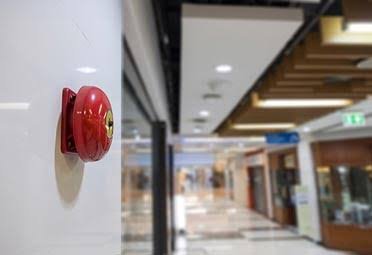
Shopping malls are busy public spaces where thousands of people may gather in stores, food courts, cinemas, parking areas, entertainment zones, and common walkways. Because of the large number of visitors and the complex layout of these buildings, fire safety requires careful planning, reliable equipment, regular maintenance, and clear emergency procedures.
A mall fire-safety program should not depend on one piece of equipment. It should combine prevention, early detection, alarm systems, emergency communication, suitable fire-protection equipment, accessible exits, staff training, and regular inspections. Pakistan’s Building Code includes specific provisions for mall buildings, including emergency systems, means of egress, standpipes, smoke control in certain atriums, and emergency voice/alarm communication systems.
Why Fire Safety Matters in Shopping Malls
Shopping malls contain many different types of activities under one roof. Clothing stores, restaurants, electrical equipment, storage rooms, kitchens, entertainment areas, and parking facilities can all present different fire risks.
The presence of large crowds makes evacuation more complicated than in a small building. Visitors may not know where emergency exits are located, while employees may have different responsibilities during an emergency.
For this reason, mall management should treat fire safety as an ongoing process rather than something checked only during an inspection.
A complete fire-safety plan should consider:
- Fire prevention
- Early fire detection
- Alarm and emergency communication
- Clearly marked escape routes
- Emergency lighting and exit signs
- Appropriate fire-protection equipment
- Staff training
- Regular inspection and maintenance
- Coordination with emergency responders
The Pakistan Engineering Council lists fire detection, alarm, and suppression installation, commissioning, and maintenance among recognized engineering specializations, highlighting the technical nature of these systems.
Understanding Fire Risks Inside a Mall
Before developing a fire-safety plan, management should identify the areas where fire could start or spread.
Retail shops may have electrical equipment, lighting, displays, packaging materials, and storage. Restaurants and food courts can have cooking equipment and other heat-producing appliances. Electrical rooms contain equipment that requires appropriate protection and maintenance.
Storage areas can also increase the amount of combustible material in a building. Parking facilities may have vehicles and electrical infrastructure that require consideration in the overall emergency plan.
The objective is not simply to install equipment. Management should understand the building’s layout, occupancy, hazards, and possible evacuation challenges so that fire-protection measures are appropriate for the property.
The Role of a Fire Alarm System in Pakistan
A properly designed Fire alarm system in Pakistan can provide early warning when smoke, heat, or another fire-related condition is detected. Early notification gives occupants more time to leave the affected area and allows trained personnel and emergency responders to begin their response.
Pakistan’s Building Code of Fire Safety Provisions addresses fire alarm and detection systems for mercantile occupancies and includes requirements for high-rise buildings.
A mall’s alarm arrangement can include devices such as:
- Smoke detectors
- Heat detectors
- Manual alarm points
- Alarm sounders
- Visual notification devices
- Fire alarm control panels
- Emergency communication systems
The exact equipment and placement should be determined by the building design, occupancy, applicable codes, and a qualified fire-safety professional.
Choosing the Right Detection System
Different parts of a mall may require different detection approaches. Smoke detection can be useful in many occupied areas, while heat detection may be more suitable in locations where normal conditions could produce smoke, dust, or temperature changes.
Large malls may also benefit from addressable systems because these can provide more specific information about the location of an activated device. Flame Defender describes both conventional and addressable fire alarm solutions for commercial properties in Pakistan.
The selection should not be based only on price. Important considerations include:
- Building size
- Number of floors
- Occupant load
- Building layout
- Environmental conditions
- Type of activities
- Maintenance requirements
- Applicable safety standards
Keep Emergency Exits Clear
An alarm is useful only when people have a safe way to leave. Mall management should therefore keep designated escape routes clear and usable.
Pakistan’s Building Code provisions for mall buildings address means of egress and specify requirements intended to provide sufficient clear egress width for occupants.
Store displays, temporary stands, advertising materials, furniture, vending machines, or other objects should not be allowed to create unsafe obstructions.
Exit signs should remain visible, and emergency routes should be checked regularly rather than assumed to be available.
Emergency Communication Is Essential
A large shopping mall may have people in different stores and areas who cannot easily hear a simple alarm. This is why emergency communication can be an important part of mall fire safety.
The Building Code of Pakistan 2021 provisions state that covered and open mall buildings above specified floor-area thresholds require emergency voice/alarm communication systems. The code also addresses emergency power and fire-department access to relevant equipment.
Emergency communication can help provide clear instructions during an incident. Messages should be planned in advance and should avoid causing unnecessary confusion.
Mall employees should also understand who is responsible for communicating with emergency responders and building management.
Fire Protection Equipment and Its Maintenance
Fire-protection equipment should be appropriate for the risks present in different parts of the mall. Equipment may include portable extinguishers, standpipe systems, suppression systems, and other components required by the building design.
The important point is that equipment should not simply be installed and forgotten.
Regular inspections can identify:
- Damaged equipment
- Missing equipment
- Blocked access
- Fault indicators
- Expired or overdue servicing
- Damaged detection devices
- Problems with alarm notification
- Other maintenance issues
The Pakistan Engineering Council recognizes installation, commissioning, and maintenance of fire detection, alarm, and suppression systems as a specialized area of engineering work.
Special Attention to Food Courts and Restaurants
Food courts can have additional fire-safety considerations because cooking activities involve heat and electrical equipment.
Mall management should make sure restaurant tenants follow the building’s fire-safety requirements and that relevant equipment is maintained according to applicable standards.
Kitchen areas should be included in inspections, and staff should know the emergency procedures applicable to their workplace.
Restaurant operators should also avoid storing unnecessary combustible materials near heat-producing equipment or electrical installations.
Atriums and Smoke Movement
Many modern malls contain large atriums connecting several floors. These open spaces can create special challenges because smoke may move vertically through the building.
The Building Code of Pakistan 2021 specifically addresses smoke-control systems for atriums connecting three or more stories in covered mall buildings.
Smoke-control requirements depend on the building design and applicable code provisions. They should therefore be evaluated during design and reviewed when major building changes are made.
Emergency Power for Critical Systems
Some mall emergency systems need to remain operational when normal electrical power is unavailable.
The Building Code provisions for mall buildings address emergency power for certain larger malls, including the ability to operate emergency voice/alarm communication systems.
Emergency power planning should be coordinated with the overall fire-protection design. Critical systems should be tested according to their applicable requirements so that a power interruption does not leave important safety equipment unavailable.
Train Mall Employees Regularly
Employees are an important part of a mall’s emergency plan. They spend significant time inside the building and may be among the first people to notice an unusual condition.
Training should cover:
- How to recognize an alarm
- How to report an emergency
- Where emergency exits are located
- How to guide visitors toward safe exits
- What responsibilities employees have during evacuation
- How to communicate with mall management
- When to contact emergency services
- Why elevators should not be used if emergency procedures prohibit their use
Training should focus on evacuation and safe response rather than encouraging untrained people to approach or fight a developing fire.
Conduct Fire Drills
Fire drills help employees become familiar with emergency procedures before a real incident occurs.
A mall’s emergency plan should account for different groups, including:
- Mall employees
- Security personnel
- Cleaning staff
- Restaurant workers
- Retail employees
- Contractors
- Visitors
Drills can help management identify problems such as unclear communication, congested routes, poor signage, or confusion about responsibilities.
After a drill, management should review what happened and update procedures where necessary.
Maintain the Fire Alarm System
A Fire alarm system in Pakistan should be inspected and maintained according to its design, applicable standards, and manufacturer’s requirements.
Maintenance may include checking detectors, alarm devices, control panels, power supplies, batteries, wiring, and fault indications. Flame Defender’s fire alarm service information also describes installation, testing, programming, maintenance, and system upgrades for commercial properties.
Maintenance records are useful because they provide a history of inspections, testing, repairs, and component replacement.
A system that produces repeated faults or false alarms should not simply be ignored. Repeated problems can reduce confidence in the alarm and may cause people to treat future warnings less seriously.
Keep Tenants Involved
A shopping mall is usually made up of many individual businesses operating within one larger building. Fire safety therefore requires cooperation between mall management and tenants.
Lease agreements and mall policies can establish responsibilities for:
- Keeping exits clear
- Maintaining tenant equipment
- Following electrical safety requirements
- Reporting hazards
- Participating in drills
- Training employees
- Following emergency instructions
Regular communication can help ensure that one tenant’s unsafe practice does not create a wider risk for other occupants.
Use Clear Signs and Emergency Lighting
Visitors may not know the layout of a mall as well as employees do. Clear exit signs and suitable emergency lighting can help people identify escape routes when normal lighting is unavailable or visibility is reduced.
Signs should remain visible and should not be hidden behind advertising, decorations, or temporary displays.
Emergency routes should also be checked regularly, especially after renovations or changes to store layouts.
Work With Qualified Professionals
Fire safety systems involve technical design, installation, testing, and maintenance. Mall management should use appropriately qualified professionals for work requiring specialist knowledge.
The Pakistan Engineering Council’s published specialization information includes ME02 for installation, commissioning, and maintenance of fire detection, alarm, suppression systems, and related equipment.
For larger projects, professional assessment can help determine the appropriate combination of detection, alarm, communication, suppression, emergency power, and evacuation measures.
For businesses seeking professional fire-alarm services in Pakistan, Flame Defender provides fire detection and alarm solutions for commercial and other property types.
Regular Inspection After Renovation
Mall layouts frequently change. New shops open, existing stores are renovated, food outlets change equipment, and advertising structures may be added.
These changes can affect fire-safety arrangements.
For example, a new partition could affect detector coverage, while a new display could obstruct an exit sign. Changes to ceilings, electrical systems, walls, or ventilation can also affect existing fire-protection arrangements.
Every major renovation should therefore include a review of relevant fire-safety systems.
What Mall Management Should Check Regularly
A practical inspection program can include the following checklist:
- Are fire alarm panels showing normal operating status?
- Are alarm devices accessible and undamaged?
- Are emergency exits clearly identified?
- Are escape routes free from unnecessary obstruction?
- Are emergency lights functional?
- Is fire-protection equipment accessible?
- Are fire doors and other safety features being used correctly?
- Are emergency communication systems operational?
- Are required inspection and maintenance records available?
- Have staff received appropriate emergency training?
- Have recent renovations affected fire-safety equipment?
- Are tenants following mall fire-safety procedures?
The exact inspection schedule should follow the applicable code, equipment requirements, manufacturer instructions, and professional recommendations.
Combining Prevention, Detection, and Evacuation
Effective mall fire safety is not based on a single device or procedure.
Prevention reduces the chance of a fire starting. Detection provides early warning. Alarm and communication systems notify people. Emergency exits provide a route to safety. Staff training helps organize the response, while professional maintenance helps keep safety systems operational.
This layered approach is particularly important in busy commercial buildings where a large number of people may need to evacuate.
The Building Code of Pakistan recognizes multiple fire-safety measures for mall buildings, including standpipe systems, smoke control in specified atriums, emergency power, emergency voice/alarm communication, and means of egress.
Final Thoughts
Mall fire safety requires planning, cooperation, technology, and continuous maintenance. A shopping centre should be prepared for the possibility of a fire before an emergency occurs, not after one has started.
A properly designed Fire alarm system in Pakistan can form an important part of a mall’s overall safety strategy, but it should work together with emergency communication, clear escape routes, suitable fire-protection equipment, emergency power where required, trained staff, and regular professional inspection.
Mall owners and managers should review their fire-safety arrangements regularly and make sure that changes to the building or tenant spaces do not weaken existing protection. When these measures are managed as one coordinated system, malls can provide a safer environment for visitors, employees, tenants, and emergency responders.
FAQs
1. Why is fire safety important in shopping malls?
Shopping malls can contain large numbers of people and many different types of businesses. A comprehensive fire-safety plan helps provide early warning, supports organized evacuation, and protects people and property.
2. What does a fire alarm system do in a mall?
A fire alarm system detects conditions associated with fire, such as smoke or heat, and provides an alert to occupants and building personnel. Larger systems can also provide information about the location of an activated device.
3. How often should mall fire alarm systems be maintained?
Maintenance should follow applicable codes, standards, equipment manufacturers’ instructions, and the recommendations of qualified fire-safety professionals. Regular inspection and testing help identify faults before an emergency occurs.
4. Are emergency communication systems important in large malls?
Yes. Large malls can contain multiple floors, stores, food courts, and crowded common areas. Emergency voice/alarm communication can help provide clear information to occupants during an emergency, where required by the applicable building provisions.
5. Who should manage fire-safety system installation and maintenance?
Technical fire detection, alarm, and suppression work should be handled by appropriately qualified professionals. Pakistan Engineering Council’s published engineering specializations include installation, commissioning, and maintenance of fire detection, alarm, and suppression systems.