
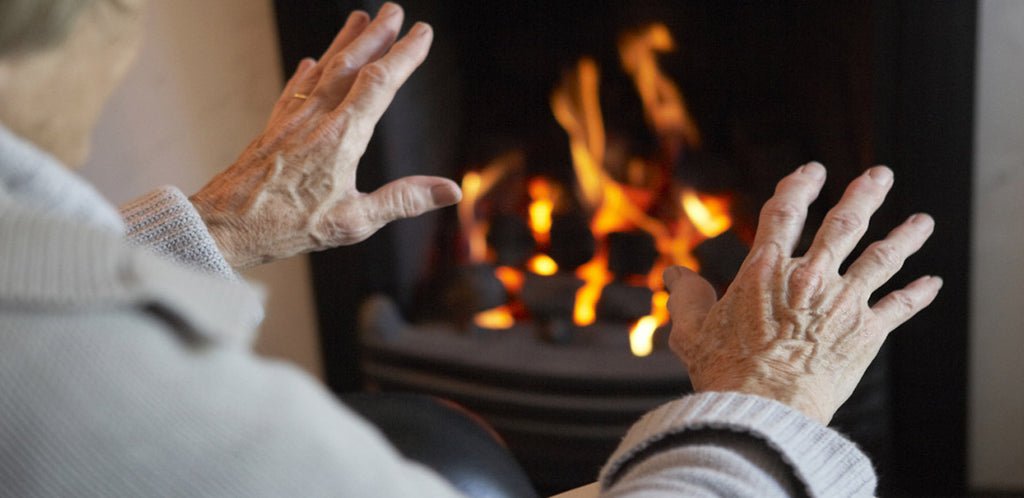
Fire safety is important for everyone, but older adults may face additional challenges during a fire emergency. Reduced mobility, hearing or vision difficulties, medication schedules, dependence on electrical equipment, or simply needing more time to move can make evacuation more difficult.
For families caring for elderly parents, grandparents, or other older relatives, fire safety should therefore be planned before an emergency occurs. The goal is not to create fear. It is to make the home safer, easier to navigate, and better prepared for a fire.
A complete home fire-safety plan combines prevention, early detection, reliable alarms, accessible escape routes, appropriate firefighting equipment, and a clear family emergency plan.
Pakistan’s Building Code of Pakistan – Fire Safety Provisions 2016 addresses occupant notification, means of egress, illumination of escape routes, protection against fire and smoke spread, and the design and maintenance of fire-protection systems. The National Disaster Management Authority (NDMA) also maintains fire-safety guidance, including its Urban Fire Safety Guidelines published in March 2026.
Why Older Adults Need Special Fire-Safety Planning
A fire can develop quickly, and an older person may not be able to respond as quickly as a younger, fully mobile person.
Potential challenges include:
- Difficulty walking or climbing stairs
- Use of walking sticks, walkers, or wheelchairs
- Hearing impairment
- Reduced vision
- Memory difficulties
- Dependence on oxygen or other medical equipment
- Sleeping deeply or taking medications that affect alertness
- Difficulty opening doors or windows
- Fear or confusion during an emergency
None of these automatically means an elderly person cannot evacuate safely. They simply mean the evacuation plan should be designed around the person’s actual needs.
A good plan asks a simple question:
“If a fire started tonight, how would this person safely leave the house?”
The answer should be practical, not theoretical.
Start With a Home Fire Risk Assessment
The first step is to inspect the home from the perspective of the elderly resident.
Walk through each room and identify possible hazards.
Look at:
- Electrical sockets
- Extension boards
- Heating appliances
- Cooking equipment
- Gas appliances
- Candles and open flames
- Smoking materials
- Electrical medical equipment
- Chargers and batteries
- Generators
- Fuel storage
- Clutter around exits
Then consider mobility.
Can the person easily reach the bedroom door?
Can they move through the hallway without obstacles?
Can they open the main exit?
Can they hear the alarm from their bedroom?
Can they reach an alternative exit if the normal route is blocked?
These questions can reveal problems that an ordinary household inspection might miss.
Keep the Elderly Person’s Bedroom Safe
The bedroom deserves particular attention because a fire may occur while the person is asleep.
Where practical, the sleeping area should have suitable early-warning detection.
Keep the path between the bed and exit clear.
Avoid placing:
- Chairs
- Boxes
- Electrical cables
- Small tables
- Rugs that create trip hazards
- Other unnecessary objects
in the person’s primary escape route.
If the person uses a walking aid, keep it in a consistent and easily reachable location.
The objective is simple: when the alarm sounds, the person should not have to search for essential equipment before beginning to leave.
The Role of a Fire Alarm System in Pakistan
A fire alarm system in Pakistan can provide an important early-warning layer for homes and residential facilities.
This is especially important for elderly occupants because they may need additional time to wake up, understand the emergency, gather mobility assistance, and reach a safe location.
Depending on the building and system design, fire detection may involve:
- Smoke detectors
- Heat detectors
- Manual call points
- Audible alarm devices
- Visual alarm indicators
- Fire alarm control panels
- Backup power
The appropriate system depends on the size, layout, occupancy, risks, and applicable requirements of the property.
The Building Code of Pakistan states that fire alarm systems should be provided where the building’s size, arrangement, or occupancy means that a fire itself would not provide adequate warning to occupants.
For an elderly person with hearing difficulties, families should also consider whether an audible alarm alone provides adequate warning. Depending on the circumstances and system design, visual notification or other methods may be appropriate.
Make Sure Alarms Can Be Heard
A smoke detector that cannot wake an elderly resident provides limited protection.
Test alarms from different parts of the house, particularly:
- Bedrooms
- Bathrooms
- Living rooms
- Kitchens
- Upstairs areas
- Rooms where an elderly person spends most of their time
If the person has hearing difficulties, do not assume that a standard audible alarm will be sufficient.
The family should discuss suitable options with a qualified fire-safety professional.
The important principle is accessible warning.
The alarm should provide a signal that the people at risk can actually perceive.
Don’t Ignore Visual or Alternative Alerts
Some older adults may have difficulty hearing an alarm.
Others may have visual limitations.
A comprehensive safety plan should consider the individual’s abilities rather than assuming every occupant receives information in the same way.
Depending on the situation, additional measures may include:
- Visual alarm notification
- Flashing indicators
- Bed-shaker or other specialized alerting devices
- Personal emergency communication devices
- Assistance from a caregiver
- Regularly tested communication procedures
The correct solution depends on the person’s needs and the building.
Electrical Safety for Elderly Residents
Electrical equipment is a major part of modern household life.
Older adults may use:
- Electric heaters
- Fans
- Air conditioners
- Medical equipment
- Television equipment
- Mobile chargers
- Computers
- Water heaters
- Kitchen appliances
Families should regularly inspect electrical equipment for:
- Damaged cables
- Loose plugs
- Burn marks
- Overheating
- Sparks
- Burning smells
- Unusual noises
If something appears damaged, it should be taken out of service and assessed appropriately.
Avoid temporary electrical repairs using tape, loose connections, or improvised wiring.
Be Careful With Extension Cords
Extension boards can be useful, but they can also become a hazard when overloaded.
Avoid connecting several high-power appliances to one extension board.
Particular care is needed with:
- Electric heaters
- Irons
- Kettles
- Microwave ovens
- Water heaters
- Air-conditioning equipment
Keep cables where they will not become trip hazards.
This is particularly important for people who use walking sticks, walkers, or other mobility aids.
A cable across a hallway can create both a fire risk and a fall risk.
Heating Safety for Older Adults
Heating appliances deserve special attention during colder months.
Older adults may spend more time indoors and may use heaters for extended periods.
Keep portable heaters:
- On stable surfaces
- Away from curtains
- Away from bedding
- Away from clothing
- Away from furniture
- Away from paper and other combustible materials
Never place clothing or blankets over an operating heater unless the appliance is specifically designed for that use.
Heating equipment should be inspected before regular seasonal use.
Gas Heater Safety
Gas appliances require appropriate installation, ventilation, and maintenance.
Families should check:
- Hoses
- Connections
- Regulators
- Heaters
- Stoves
- Water heaters
If a gas leak is suspected, avoid flames, sparks, and other ignition sources and follow appropriate emergency procedures.
Older residents should not be expected to investigate or repair gas equipment themselves.
Professional inspection is preferable when there is uncertainty about the condition of an appliance or connection.
Kitchen Safety for Elderly Family Members
Cooking can become more challenging when mobility, vision, memory, or concentration is affected.
Simple precautions can make a difference.
Before cooking
- Make sure the cooking area is clear.
- Keep handles positioned safely.
- Check that appliances are functioning normally.
- Keep cloth and paper away from burners.
During cooking
- Avoid leaving cooking unattended.
- Use timers when appropriate.
- Keep pot handles away from walkways.
- Wear suitable clothing that will not easily contact flames.
After cooking
- Turn appliances off.
- Check that burners are off.
- Keep the kitchen free of accumulated grease.
If an elderly person has difficulty cooking safely, family members can consider preparing meals together or modifying the cooking arrangement.
Cooking Oil Fires Require Special Care
A cooking-oil fire can become dangerous very quickly.
Never throw water onto burning cooking oil.
Water can cause the hot oil to splatter and spread flames.
If a small cooking fire occurs, only use an appropriate extinguishing method if it is safe and the person has been properly trained.
For an elderly resident who has mobility or balance limitations, the priority should generally be getting away from the fire and raising the alarm rather than attempting to fight it.
Create a Personalized Escape Plan
A standard family escape plan may not work for an elderly resident.
Create a plan specifically around their needs.
Identify:
Primary escape route
The easiest and safest route from the person’s normal location to outside.
Alternative escape route
A second route if the primary path is blocked.
Assembly point
A safe location outside where everyone meets.
Assistance person
Someone responsible for helping the elderly resident.
Emergency communication
A clear method for contacting emergency services and family members.
The Building Code of Pakistan requires means of egress to be arranged or marked so that the route to a place of safety is clearly indicated, with illumination provided for means of egress.
Keep Escape Routes Free From Obstacles
For elderly residents, even small obstacles can create serious problems during evacuation.
Keep corridors and stairs free from:
- Shoes
- Boxes
- Furniture
- Electrical cables
- Cleaning equipment
- Storage items
- Decorative objects
Avoid placing loose rugs in important escape routes if they create a trip hazard.
If a walking aid is required for evacuation, it should be readily accessible.
Plan for Stairs
Stairs can present one of the biggest challenges for elderly residents.
Families should consider:
- Whether the person can safely use stairs
- Whether assistance is required
- Whether there is an alternative accessible route
- Whether stairways are adequately illuminated
- Whether handrails are available
- Whether objects are blocking the stairs
Do not assume that someone will simply “manage” during an emergency.
If stairs are unavoidable, evacuation responsibilities should be discussed and practiced in advance.
What If the Person Cannot Evacuate Independently?
Some elderly people may need assistance because of mobility limitations or medical conditions.
In that situation, the family should establish a clear assistance plan.
For example:
- Identify the person who will provide assistance.
- Identify the safest route.
- Keep necessary mobility equipment accessible.
- Make sure the caregiver knows the building layout.
- Practice the procedure safely.
- Have a backup person when possible.
Do not create an evacuation plan that depends on equipment or techniques that family members have never learned to use.
For people with significant mobility limitations, professional advice may be appropriate.
Medical Equipment and Fire Safety
Some elderly people rely on electrical medical equipment.
Examples may include:
- Oxygen equipment
- Monitoring devices
- Mobility equipment
- Electric beds
- Medical pumps
- Charging systems
The equipment should be used according to manufacturer instructions.
Keep electrical devices away from:
- Water
- Damaged outlets
- Open flames
- Excessive heat
- Improvised electrical connections
If oxygen is being used, families should be particularly careful around smoking, candles, gas flames, and other ignition sources.
The medical provider’s safety instructions should always be followed.
Smoking and Fire Safety
If an elderly family member smokes, additional precautions are important.
Smoking materials should never be left unattended.
Keep smoking materials away from:
- Bedding
- Curtains
- Upholstered furniture
- Paper
- Clothing
- Oxygen equipment
Never smoke in bed.
A safe smoking policy can significantly reduce avoidable ignition sources.
Candles and Open Flames
Candles may be used for religious, decorative, or practical reasons.
They should always be treated as open flames.
Keep candles away from:
- Curtains
- Clothing
- Bedding
- Paper
- Decorations
- Children
- Pets
Use stable holders and extinguish candles before leaving the room.
For elderly residents who have difficulty moving quickly, replacing candles with safer alternatives may reduce unnecessary risk.
Fire Extinguishers: Should an Elderly Person Use One?
Not necessarily.
An extinguisher can be useful for a small fire when the user has been properly trained and has a safe escape route behind them.
But elderly people with limited mobility, balance difficulties, or reduced strength may not be able to safely operate an extinguisher.
The family should never expect an older person to fight a fire simply because an extinguisher is available.
The priority is evacuation.
If the fire is growing, smoke is heavy, or the escape route is threatened, leave immediately.
Fire Doors and Passive Protection
Fire safety is not only about alarms and extinguishers.
Fire-resistant doors, walls, floors, and other passive protection features can help limit the spread of fire and smoke where properly designed and maintained.
The Pakistan fire-safety provisions specifically address vertical openings and the need to protect them to reduce the spread of fire, smoke, or fumes between floors.
Families should avoid modifying fire-rated doors or barriers without understanding how those changes could affect their protective function.
Don’t Ignore False Alarms
Repeated unwanted alarms can become a serious safety problem.
If an alarm activates repeatedly because of cooking smoke, dust, steam, or another environmental condition, the correct response is not simply to disconnect it.
Instead:
- Identify the cause.
- Check detector placement.
- Consider whether the detector type is suitable.
- Have the system assessed if necessary.
- Maintain the equipment properly.
A disabled alarm provides no warning when a real fire occurs.
Train the Whole Family
Fire safety should not depend on one caregiver.
Everyone who regularly visits or lives in the home should understand the basic plan.
This can include:
- Adult children
- Spouses
- Caregivers
- Domestic staff
- Relatives
- Frequent visitors
Everyone should know:
- What the alarm sounds like
- How to raise an alarm
- Where the exits are
- Who helps the elderly resident
- Where to assemble
- How to contact emergency services
The plan should be simple enough to remember under stress.
Practice the Escape Plan
A plan that has never been practiced may not work smoothly during a real emergency.
Conduct safe, age-appropriate drills.
Pay attention to:
- How long it takes to reach the exit
- Whether the elderly person needs assistance
- Whether mobility equipment is accessible
- Whether alarm signals are noticed
- Whether doors are easy to operate
- Whether anyone becomes confused
The objective is not to create panic.
The objective is to identify problems while there is still time to correct them.
Fire Safety Checklist for Elderly Family Members
Detection and alarms
- [ ] Smoke/fire detection is appropriately installed
- [ ] Alarms are tested regularly
- [ ] The elderly resident can perceive the alarm
- [ ] Faults are investigated
- [ ] Batteries are maintained where applicable
Electrical safety
- [ ] Cables are undamaged
- [ ] Sockets are not overloaded
- [ ] Heaters are safely connected
- [ ] Extension boards are used appropriately
- [ ] Damaged equipment is removed from service
Escape
- [ ] Bedroom exit is clear
- [ ] Hallways are unobstructed
- [ ] Stairs are safe
- [ ] Alternative exit is identified
- [ ] Assembly point is known
Personal assistance
- [ ] Primary caregiver identified
- [ ] Backup helper identified
- [ ] Mobility equipment is accessible
- [ ] Medical needs considered
- [ ] Visitors know the plan
Fire prevention
- [ ] Kitchen is kept safe
- [ ] Gas equipment maintained
- [ ] Heating equipment inspected
- [ ] Smoking materials controlled
- [ ] Candles and open flames supervised
Pakistan’s Fire Safety Framework
Pakistan’s Building Code of Pakistan – Fire Safety Provisions 2016 is listed by the Pakistan Engineering Council as one of its building codes and standards.
The code addresses occupant notification, means of egress, illumination, vertical openings, fire-protection system design, inspection, testing, and maintenance.
NDMA also maintains national disaster-management guidance. Its current guidelines include Urban Fire Safety Guidelines, published on March 16, 2026, while its e-library includes a National Policy Guidelines on Vulnerable Groups 2025 and other preparedness resources.
The exact requirements for a particular home or residential building can vary according to its size, construction, occupancy, layout, location, and applicable local requirements. For larger properties or homes with specialized needs, a qualified fire-safety professional can help assess the appropriate protection.
A Simple Five-Step Plan for Families
For families caring for an elderly relative, fire safety can be summarized in five practical steps.
1. Prevent
Reduce electrical, cooking, heating, gas, smoking, and open-flame hazards.
2. Detect
Install and maintain appropriate fire and smoke detection.
3. Alert
Make sure the elderly resident can actually perceive the warning.
4. Assist
Assign people to help with evacuation when necessary.
5. Practice
Regularly review and safely practice the evacuation plan.
This approach helps turn fire safety from a general idea into a practical family routine.
Final Thoughts
Protecting elderly family members from fire requires more than installing an alarm and hoping everyone can evacuate quickly.
Families need to consider the person’s mobility, hearing, vision, medical equipment, sleeping arrangements, and ability to respond during an emergency.
A properly planned fire alarm system in Pakistan can provide valuable early warning, but it should be part of a broader safety strategy that includes prevention, clear escape routes, appropriate equipment, family training, and regular maintenance.
The most important step is to plan before an emergency occurs.
A few simple changes—keeping exits clear, checking electrical equipment, improving alarm coverage, assigning an evacuation helper, and practicing the escape plan—can make a home significantly better prepared.
For information about fire protection systems and solutions, visit .
FAQs
1. Why are elderly people particularly vulnerable during a fire?
Some older adults may have reduced mobility, hearing or vision difficulties, medical equipment, or other needs that can make detecting and responding to a fire more difficult. A personalized evacuation plan can address these challenges.
2. What type of fire alarm is suitable for an elderly person?
The appropriate system depends on the building and the person’s needs. If hearing is impaired, additional visual or specialized warning methods may need to be considered alongside audible alarms.
3. Should an elderly person try to use a fire extinguisher?
Not necessarily. If mobility, strength, balance, or other limitations make extinguisher use unsafe, evacuation should take priority. Fire extinguishers should only be used on appropriate small fires when the person is trained and has a safe escape route.
4. How can families make evacuation easier for older adults?
Keep escape routes clear, place mobility aids where they can be reached easily, identify a primary and alternative route, assign an evacuation helper, and practice the plan regularly.
5. Does Pakistan have fire-safety requirements for buildings?
Yes. The Building Code of Pakistan – Fire Safety Provisions 2016 includes provisions covering occupant notification, fire alarm systems, means of egress, fire protection, and maintenance. The specific requirements depend on the characteristics and use of the building and the applicable authority.