
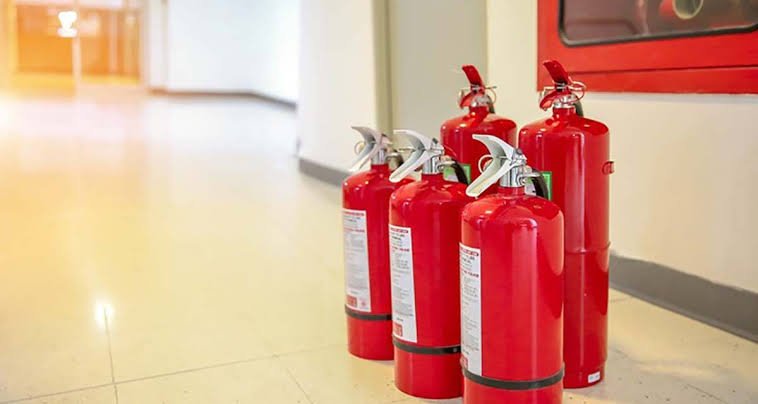
A fire safety plan is only effective when the equipment supporting it remains ready for use. Installing alarms, extinguishers, suppression systems, hydrants, or other protective equipment is an important first step, but these systems can lose reliability when they are ignored for long periods.
In Pakistan, fire-safety provisions emphasize that required fire-safety equipment and systems should be continuously maintained, and equipment requiring periodic inspection or testing should be checked as specified by the applicable provisions.
Maintenance is therefore not simply an administrative task. It is part of keeping a building prepared for an emergency.
Why Fire Equipment Maintenance Matters
Fire equipment normally remains unused for long periods. That can create a false sense of security. An extinguisher may remain on a wall for years, or an alarm panel may appear normal while a detector, battery, connection, or other component has developed a problem.
Regular maintenance helps identify these issues before an emergency occurs.
A complete maintenance program can help confirm that:
- Equipment remains accessible.
- Fire alarm components are functioning correctly.
- Extinguishers remain in suitable condition.
- Suppression systems receive appropriate inspection.
- Damaged equipment is identified.
- Required records are maintained.
- Problems are addressed before they become serious.
The goal is simple: equipment should be ready when it is needed.
Fire Alarm Maintenance Should Not Be Ignored
A fire alarm system in Pakistan can provide early warning by detecting smoke, heat, or other signs of fire and notifying occupants. However, detection equipment can be affected by dust, humidity, ageing components, electrical faults, or physical damage.
Flame Defender provides fire alarm installation and maintenance services for residential, commercial, and industrial properties in Pakistan. Its services include inspection, testing, cleaning, calibration, repairs, and system upgrades.
Maintenance can include checking:
- Smoke detectors
- Heat detectors
- Control panels
- Sounders
- Manual call points
- Batteries and power supplies
- Wiring and connections
- Notification devices
The exact maintenance process should depend on the system design, manufacturer instructions, applicable standards, and the building’s risk profile.
An Alarm Is Not a One-Time Purchase
One of the most common misunderstandings about fire alarms is that installation completes the safety process.
In reality, a fire alarm is part of an ongoing safety system. Components need to remain functional, and faults should be identified and corrected.
For example, a detector may become contaminated by dust, a battery may deteriorate, or a damaged cable may affect communication between components. These problems may not always be obvious without appropriate inspection and testing.
This is why a maintenance schedule should be established immediately after installation.
Fire Extinguishers Need Regular Attention
Fire extinguishers are another important part of building fire protection. Simply having extinguishers installed does not guarantee that they will work correctly when required.
Routine inspection can identify issues such as:
- Physical damage
- Corrosion
- Pressure problems
- Missing or damaged components
- Blocked nozzles
- Broken seals
- Incorrect positioning
- Signs of previous use
Flame Defender recommends regular visual checks and professional servicing for its extinguisher solutions, along with appropriate refilling after use and periodic pressure or hydrostatic testing according to applicable requirements.
Extinguishers should also be suitable for the fire risks present in the particular area.
Never Assume an Unused Extinguisher Is Automatically Ready
A fire extinguisher can remain untouched while its condition changes.
Pressure can decrease, components can deteriorate, and corrosion can develop. Environmental conditions such as heat, moisture, and dust can also affect equipment over time.
For this reason, maintenance should not depend on whether an extinguisher has ever been discharged.
Professional inspection provides an opportunity to identify problems that may not be visible during a quick glance.
Refilling After Use
An extinguisher that has been discharged should not simply be returned to its original location.
Even if only a portion of the extinguishing agent was released, the unit may require servicing and refilling before it can again be considered ready for use. Flame Defender provides extinguisher refilling and maintenance services for different types of extinguishers in Pakistan.
Refilling should be performed by appropriately qualified personnel using the correct agent and procedures for that particular extinguisher.
Maintenance of Fire Suppression Systems
Some buildings require more than portable extinguishers and alarms. Depending on the risks and building design, suppression systems may also form part of the fire-protection strategy.
These systems contain multiple components that need appropriate inspection and testing.
Flame Defender’s suppression-system services include inspection, testing, preventive maintenance, annual servicing, and technical support. Its testing process can examine components such as detection devices, nozzles, pipework, cylinders, control panels, manual activation points, and alarm devices.
The specific maintenance requirements depend on the type and design of the system.
Hydrant and Hose Equipment Also Requires Maintenance
Fire hydrants, hose reels, valves, pumps, and related equipment can become less reliable when they are not inspected.
Possible problems can include:
- Leaks
- Corrosion
- Damaged hoses
- Blocked nozzles
- Valve problems
- Pressure issues
- Pump faults
- Obstructed access
Regular professional inspection helps ensure that these systems remain in suitable condition.
People should not attempt to operate complex firefighting equipment during a dangerous fire unless they are appropriately trained and it is safe to do so. For occupants, evacuation and following emergency instructions should remain the priority.
Maintenance Protects the Whole Fire-Safety Strategy
Fire protection works as a system rather than a collection of unrelated products.
Consider a building with:
- Fire-resistant construction
- Smoke detection
- Fire alarms
- Fire extinguishers
- Emergency lighting
- Fire doors
- Suppression equipment
- Emergency exits
If several of these features are poorly maintained, the building’s overall level of protection can be reduced.
For example, a reliable alarm can provide early warning, but blocked exits can make evacuation more difficult. Similarly, a suitable extinguisher is less useful if it has not been properly inspected or is inaccessible.
Maintenance helps keep the different parts of the safety plan working together.
Pakistan’s Fire-Safety Provisions Emphasize Maintenance
The Building Code of Pakistan Fire Safety Provisions 2016 includes provisions stating that required fire-safety devices, equipment, systems, and other protective features should be continuously maintained. It also states that features requiring periodic inspection or testing should be inspected or tested as specified.
The Pakistan Engineering Council currently lists the Building Code of Pakistan Fire Safety Provisions 2016 among its building-code resources.
For a particular building, owners and managers should confirm the requirements that apply to their occupancy, construction, equipment, and local authority.
Keep Maintenance Records
Documentation is an important part of a professional fire-safety program.
Records can show:
- When equipment was inspected
- What was tested
- Which problems were found
- What repairs were completed
- Which components were replaced
- When the next service is due
- Who performed the work
These records can also help building managers understand the history of their equipment.
A maintenance log should be kept in an organized location and updated after relevant inspections or servicing.
Create a Maintenance Schedule
Different fire-safety systems have different maintenance requirements, so one universal schedule should not be applied to every piece of equipment.
A building manager can create a schedule covering:
Routine Visual Checks
Simple checks can help identify obvious problems such as damage, obstruction, missing equipment, or unusual system indications.
Professional Inspection
Qualified personnel can perform more detailed inspections of equipment and systems.
Testing
Testing verifies that components and systems respond as intended.
Servicing and Repairs
Problems discovered during inspection or testing should be addressed according to the manufacturer’s requirements and applicable standards.
Documentation
Every significant maintenance activity should be recorded.
The actual frequency should follow applicable standards, manufacturer instructions, system design, and regulatory requirements rather than an arbitrary timetable.
Keep Equipment Accessible
Maintenance is not only about technical condition.
Equipment must also remain accessible.
An extinguisher hidden behind boxes, an alarm call point blocked by furniture, or an emergency exit obstructed by stored materials can create serious problems during an emergency.
Building managers should ensure that fire equipment remains clearly visible and accessible.
This is particularly important in busy locations such as offices, warehouses, schools, shopping areas, factories, and residential buildings.
Watch for Environmental Conditions
Pakistan’s different regions experience different environmental conditions. Heat, humidity, dust, pollution, and coastal conditions can influence equipment over time.
For example, equipment installed in a dusty environment may require particular attention to contamination, while equipment in humid or coastal areas may require careful monitoring for corrosion.
Maintenance programs should take the actual environment into account.
A qualified professional can help determine whether environmental conditions require additional protection or more frequent inspection.
Maintenance Can Reduce False Alarms
A fire alarm should provide dependable warning, but unnecessary false alarms can cause people to lose confidence in the system.
Dust, unsuitable detector placement, environmental conditions, equipment faults, and other issues can contribute to unwanted alarms.
Proper maintenance can help identify these problems and improve system reliability.
Flame Defender states that its fire alarm maintenance services include identifying faults and weak points and replacing components that are no longer performing properly.
A maintenance program should focus on both reliable detection and reducing avoidable system problems.
Upgrading Older Equipment
Maintenance can also reveal when equipment is reaching the end of its useful life.
An older system may have obsolete components, limited support, or technology that no longer meets the needs of the building.
In such situations, continued repairs may not always be the best long-term solution. A professional assessment can determine whether partial upgrades or complete replacement is more appropriate.
Flame Defender provides fire alarm upgrade services alongside installation and maintenance.
The decision to upgrade should be based on the condition and requirements of the system rather than simply replacing equipment because it is old.
Train Responsible Staff
Equipment maintenance works best when building staff understand basic fire-safety responsibilities.
Staff should know:
- Where fire equipment is located
- How to recognize an alarm
- Which exits to use
- Who is responsible for contacting emergency services
- How to report damaged equipment
- Where maintenance records are kept
- What to do if an alarm indicates a fault
Training should emphasize evacuation and personal safety. Untrained occupants should not be expected to fight a developing fire.
Fire Safety During Renovations
Renovation work can introduce temporary fire risks and can affect existing fire-protection systems.
Walls may be moved, ceilings opened, detectors relocated, cables changed, or fire-rated barriers interrupted.
Whenever building work takes place, fire-safety arrangements should be reviewed to make sure temporary conditions do not create unacceptable risks.
After renovation, affected fire alarm, detection, suppression, and other safety systems should be appropriately inspected and tested before the building returns to normal operation.
Common Maintenance Mistakes
Several mistakes can weaken a building’s fire-protection program.
Ignoring Small Faults
A warning light, damaged extinguisher, or faulty detector should not be ignored simply because there has never been a fire.
Delaying Scheduled Maintenance
Putting off maintenance can allow small problems to become larger ones.
Blocking Equipment
Furniture, storage, decorations, and other objects should not obstruct fire equipment or emergency exits.
Using Unqualified Services
Fire equipment should be serviced by competent personnel who understand the relevant equipment and requirements.
Failing to Keep Records
Without documentation, it becomes difficult to know when equipment was last inspected or what work was performed.
Treating All Equipment the Same
A smoke detector, extinguisher, hydrant, and suppression system have different maintenance needs. Each should be maintained according to its own requirements.
A Practical Fire Equipment Maintenance Checklist
Building owners and managers can use the following as a starting point:
- Inspect fire alarm indicators and equipment regularly.
- Arrange professional alarm testing and maintenance.
- Check extinguishers for visible damage and accessibility.
- Service extinguishers according to applicable requirements.
- Refill extinguishers after use.
- Inspect suppression equipment where installed.
- Keep hydrants and hose equipment accessible.
- Check emergency exits for obstructions.
- Review fire doors and related hardware.
- Keep maintenance records updated.
- Address reported faults promptly.
- Review equipment after building alterations.
- Ensure staff understand basic emergency procedures.
- Arrange professional assessment when systems are outdated or complex.
This checklist does not replace the manufacturer’s instructions, applicable standards, or professional inspection requirements.
Why Professional Maintenance Is Worthwhile
Fire equipment is designed to protect people and property during emergencies. Its value depends heavily on reliability.
Professional maintenance can identify problems that are difficult to detect through casual observation. It can also provide documentation of inspection and servicing and help determine whether equipment requires repair, replacement, or upgrading.
For larger buildings, a coordinated maintenance program can cover alarms, extinguishers, suppression systems, hydrants, emergency equipment, and other fire-safety features.
Flame Defender provides fire protection installation, inspection, testing, maintenance, and related services for properties in Pakistan.
Building a Safety Culture
Fire safety should not belong to one person or one department.
Everyone in a building can contribute by reporting damaged equipment, keeping exits clear, following emergency procedures, and taking alarms seriously.
Building owners and managers have an important responsibility to ensure that protective systems receive appropriate maintenance. Staff and occupants also have a role in following established safety procedures.
When maintenance becomes part of normal building management, fire safety is less likely to be forgotten.
Final Thoughts
A safety plan is not complete simply because fire equipment has been purchased and installed. Fire alarms, extinguishers, suppression systems, hydrants, and other protective equipment need appropriate inspection, testing, servicing, and documentation.
For buildings using a fire alarm system in Pakistan, regular maintenance is particularly important because detection equipment needs to remain reliable throughout its service life. A properly maintained alarm can provide early warning, while maintained firefighting and suppression equipment can support the wider fire-protection strategy.
The best approach is to treat fire equipment maintenance as an ongoing responsibility rather than an occasional task. Regular professional assessment, timely repairs, proper records, and staff awareness can help create a safer and better-prepared building.
For professional fire-safety solutions and maintenance services in Pakistan, visit .
FAQs
1. Why is fire equipment maintenance important?
Maintenance helps ensure that fire-safety equipment remains functional and accessible when an emergency occurs. It can also identify faults, damage, corrosion, and other problems before they become more serious.
2. How often should a fire alarm system be maintained?
The appropriate frequency depends on the system, manufacturer requirements, applicable standards, and building conditions. Regular inspection and testing should be included in the building’s fire-safety maintenance program.
3. Do fire extinguishers need maintenance if they have never been used?
Yes. Extinguishers can develop pressure, corrosion, or component problems even when they have never been discharged. Regular inspection and professional servicing help keep them ready.
4. Who should maintain fire safety equipment?
Maintenance should be performed by competent and appropriately qualified fire-safety professionals, particularly for complex systems such as fire alarms, suppression systems, and hydrant installations.
5. What should be included in a fire equipment maintenance plan?
A comprehensive plan can cover fire alarms, extinguishers, suppression systems, hydrants, emergency equipment, inspections, testing, repairs, documentation, and staff awareness. The exact requirements depend on the building and the systems installed.