
Why Fire Safety Training Matters at Home
Fire safety training is not only for offices, factories, schools, or commercial buildings. It is equally important for families because a home fire can develop unexpectedly. Learning what to do before an emergency occurs can help family members respond more calmly and safely.
Pakistan’s Building Code of Pakistan Fire Safety Provisions includes fire safety planning, training plans, evacuation plans, and fire alarm testing as parts of broader safety planning.
Understanding Common Fire Risks
The first step in home fire safety is recognizing common hazards. Cooking equipment, electrical appliances, damaged wiring, overloaded sockets, heating equipment, and combustible household materials can all require attention.
Families should regularly inspect areas where electrical appliances are used and avoid ignoring damaged cables, unusual smells, sparks, or equipment that becomes abnormally hot.
Prevention is important because reducing hazards can lower the possibility of a fire occurring in the first place.
Teaching Children About Fire Safety
Children should receive simple and age-appropriate fire safety education. They should understand that matches, lighters, electrical equipment, and cooking appliances are not toys.
Children should also learn:
- Never play with fire.
- Tell an adult immediately if they notice smoke or fire.
- Take a fire alarm seriously.
- Do not hide during an emergency.
- Follow the family’s evacuation plan.
- Go directly to the agreed meeting place.
The goal is to make children aware and prepared without frightening them.
Knowing the Fire Alarm
A fire alarm provides an important warning when a potentially dangerous condition is detected. Every person in the household should know what the alarm sounds like and understand that it should never be ignored.
A suitable fire alarm system in Pakistan can form part of a home’s wider safety arrangement. The appropriate system depends on the property’s size, layout, occupancy, and specific risks.
Pakistan Engineering Council identifies fire detection and alarm systems as a recognized area involving installation, commissioning, and maintenance.
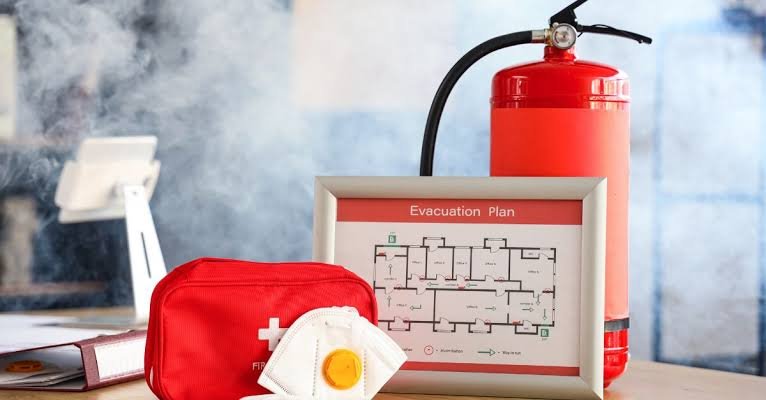
Creating a Home Evacuation Plan
Every family should know how to leave the home safely.
An evacuation plan can identify:
- Main exit routes
- Alternative exits
- Stairways
- A safe outdoor meeting point
- Family members who may need assistance
- Emergency contact information
Escape routes should remain clear. The Building Code emphasizes unobstructed means of egress so occupants can reach a place of safety.
A simple plan is usually easier for children and adults to remember than a complicated procedure.
Choosing a Family Meeting Point
A meeting point should be located at a safe distance from the home and away from areas where emergency responders may need access.
Everyone should know that once they leave the building, they should go directly to this location rather than returning inside or searching through the property.
Having a fixed meeting point also helps families determine who has safely left the building.
Practicing the Emergency Plan
A family evacuation plan is more useful when everyone understands it.
Families can periodically review:
- What the alarm sounds like.
- Which exit should be used.
- Where everyone should meet.
- Who may require assistance.
- How emergency services should be contacted.
Practice should focus on safe evacuation and should never involve creating or experimenting with a fire.
Kitchen Fire Safety
The kitchen deserves particular attention because cooking involves heat and electrical appliances.
Useful safety habits include:
- Avoid leaving cooking unattended.
- Keep combustible materials away from heat sources.
- Keep electrical appliances in good condition.
- Keep children away from cooking equipment.
- Clean cooking areas regularly.
- Know the household evacuation plan.
If a situation becomes dangerous, family members should prioritize getting to safety rather than attempting to manage a growing fire.
Electrical Safety at Home
Electrical problems can create serious fire hazards. Families should avoid using visibly damaged wires, broken plugs, or faulty appliances.
Electrical sockets should not be overloaded, and recurring electrical problems should be checked by a qualified professional.
Children should also be taught not to put objects into electrical outlets or operate electrical equipment without appropriate supervision.
Maintaining Fire Safety Equipment
Installing safety equipment is only one part of fire preparedness. Equipment should also be inspected and maintained according to its manufacturer’s requirements.
A fire alarm system may include detectors, control equipment, notification devices, and other components. Faults should not be ignored because reliable equipment is important for providing warning when needed.
Pakistan Engineering Council’s fire safety framework recognizes the installation, commissioning, and maintenance of fire detection, alarm, and suppression systems.
Keeping Escape Routes Clear
Hallways, stairways, doors, and other escape routes should not become storage areas.
Boxes, furniture, bicycles, bags, and other objects can make evacuation more difficult. Families should regularly check that exits remain accessible.
This is especially important in multi-story homes where stairs may be an essential evacuation route.
Fire Extinguishers and Home Preparedness
Some homes may have portable fire extinguishers as part of their overall safety arrangements.
However, an extinguisher should never encourage someone to take unnecessary risks. If a fire is spreading or the environment becomes unsafe, occupants should leave the building and seek professional emergency assistance.
Fire safety training should therefore focus on evacuation and personal safety rather than encouraging untrained people to approach dangerous fires.
Helping Family Members Who Need Assistance
A household emergency plan should consider everyone’s needs.
Young children, older family members, and people who may have difficulty moving quickly can require additional assistance. Families should discuss beforehand who will help them and which exit is most suitable.
Planning these details in advance can reduce confusion during an emergency.
Regularly Review the Fire Safety Plan
Fire safety plans should be reviewed when circumstances change.
For example, a family should reconsider its arrangements after:
- Moving furniture or changing the home’s layout
- Renovating the property
- Adding new electrical appliances
- Changing household members
- Replacing alarm equipment
- Blocking or changing an exit
The Pakistan Engineering Council continues to list the Building Code of Pakistan Fire Safety Provisions 2016 among its developed building codes and standards.
Professional Fire Safety Assistance
Some basic safety measures can be handled by families, but technical fire protection systems should be assessed and maintained appropriately.
Professional services can help with system design, installation, commissioning, testing, maintenance, and identification of faults.
For information about fire protection solutions in Pakistan, homeowners can visit .
Fire Safety Is Everyone’s Responsibility
Fire safety should not depend on just one person in the household. Parents, older children, and other family members should understand the basic emergency plan.
A good household safety strategy combines prevention, early warning, clear evacuation routes, appropriate equipment, maintenance, and regular training.
The Building Code’s approach also supports using multiple safeguards rather than depending on one protective measure alone.
Simple Home Fire Safety Checklist
Families can use this checklist as a basic reminder:
- Keep escape routes clear.
- Know the sound of the alarm.
- Check fire safety equipment regularly.
- Keep electrical equipment in safe condition.
- Practice the household evacuation plan.
- Teach children basic fire safety.
- Choose an outdoor meeting point.
- Consider family members who may need assistance.
- Keep emergency contact information available.
- Never ignore an alarm or warning sign.
Conclusion
Fire safety training gives families the knowledge they need to prepare for an emergency. It helps people recognize hazards, understand alarms, plan escape routes, and know where to meet after leaving the building.
A properly selected and maintained fire alarm system in Pakistan can provide an important layer of protection, but it should work together with prevention, maintenance, evacuation planning, and household education.
The most important principle is simple: protect people first, leave safely, and seek professional emergency assistance when necessary.
FAQs
1. Why is fire safety training important for homes?
It helps family members recognize fire hazards, understand alarm warnings, follow evacuation procedures, and respond more calmly during an emergency.
2. What should children learn about fire safety?
Children should learn not to play with fire, take alarms seriously, avoid hiding during an emergency, follow adults toward a safe exit, and go to the family’s meeting point.
3. Why is a fire alarm important?
A suitable alarm can provide early warning and give occupants an opportunity to leave the building safely. The appropriate system depends on the property’s individual requirements.
4. How often should a home fire safety plan be reviewed?
Families should review their plan regularly and whenever there are significant changes to the home’s layout, occupants, exits, or safety equipment.
5. Should people try to fight every home fire themselves?
No. Personal safety should come first. If a fire is growing or conditions are unsafe, occupants should evacuate and contact professional emergency services rather than taking unnecessary risks.