
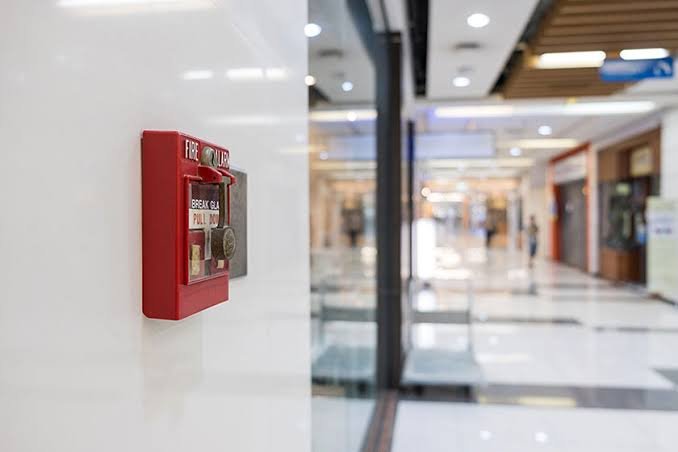
Shopping malls are busy environments where thousands of people may gather in a single building. Customers, employees, shop owners, security personnel, restaurants, entertainment areas, storage spaces, parking facilities, and service areas can all operate under one roof. Because of this combination of people, equipment, electrical systems, cooking areas, merchandise, and large open spaces, fire safety requires careful planning.
A strong mall fire safety strategy is not simply about placing fire extinguishers around the building. It involves prevention, early detection, occupant notification, safe evacuation, fire suppression, emergency communication, trained personnel, and regular inspection.
For businesses operating in Pakistan, a properly designed fire alarm system in Pakistan can be an important part of this overall strategy. The Pakistan Engineering Council lists the Building Code of Pakistan Fire Safety Provisions 2016 among the country’s building codes.
Why Fire Safety Is Different in Shopping Malls
A shopping mall differs from a small shop or office because of its size and the number of people who may be present at one time.
A mall may contain:
- Retail stores
- Food courts
- Restaurants and kitchens
- Cinemas
- Children’s entertainment areas
- Offices
- Storage rooms
- Electrical and mechanical rooms
- Parking areas
- Escalators and elevators
- Large atriums
- Loading and service areas
Each area can have different fire risks and evacuation requirements.
A fire safety plan must therefore consider the entire property rather than focusing only on individual shops.
The Hidden Risk: Large Numbers of People
One of the biggest challenges during a mall emergency is managing a large number of people.
Customers may be unfamiliar with the building. Some may be visiting for the first time and may not know where emergency exits are located. Others may be children, elderly people, or people who require assistance.
Employees may know the building better, but they still need clear procedures for responding to an emergency.
This is why early warning and effective communication are essential. A reliable alarm system can notify people that an emergency requires attention while trained staff help direct occupants according to the approved evacuation plan.
The Role of a Fire Alarm System
A fire alarm system is designed to detect or receive signals associated with a fire emergency and notify occupants or responsible personnel.
Modern systems can include smoke detectors, heat detectors, manual call points, control panels, notification appliances, monitoring equipment, and other components.
For a large shopping mall, an addressable system may provide detailed information about the location of an activated device, depending on the system design. This can help trained personnel understand where an alarm condition has originated.
Flame Defender describes its fire alarm services as covering addressable and conventional systems, with smoke detectors, heat sensors, control panels, installation, testing, maintenance, and upgrades.
A mall’s system should be designed specifically for its size, layout, occupancy, and risks rather than simply using a standard residential arrangement.
Early Detection Can Save Valuable Time
The earlier a developing fire is identified, the sooner appropriate emergency procedures can begin.
Detection equipment can include different types of sensors depending on the environment. Smoke detection may be suitable in many areas, while heat detection or specialized detection may be more appropriate in locations where smoke or environmental conditions could create unwanted alarms.
The selection and placement of detectors should be based on professional design and applicable requirements.
Detection should also be maintained. Dust, damage, environmental conditions, equipment age, or faults can affect system performance.
Alarm Notification Is More Than a Siren
A shopping mall can be noisy. Music, conversations, announcements, machinery, and crowds can make it difficult for some people to recognize an alarm.
For this reason, notification should be planned carefully.
Depending on the approved design, a mall may use audible notification, visual notification, voice communication, or combinations of these systems.
The Building Code of Pakistan’s fire safety provisions addresses fire alarm systems and occupant notification, while newer Building Code material also includes emergency voice/alarm communication requirements for certain mall buildings.
The goal is to make sure that people receive clear information and can follow the appropriate emergency instructions.
Emergency Voice Communication
Large shopping malls may benefit from systems that allow emergency information to be communicated to occupants.
Instead of relying only on a repeating alarm sound, an emergency communication system can provide instructions through designated speakers where such a system is required or included in the building’s approved design.
The Building Code of Pakistan’s 2021 draft provisions for covered and open mall buildings state that where the total floor area exceeds 50,000 square feet, an emergency voice/alarm communication system is to be provided, with emergency power requirements also specified for qualifying mall buildings.
Because requirements can depend on the adopted code and authority having jurisdiction, mall owners should have the exact requirements confirmed by qualified professionals and the relevant authority.
Fire Sprinklers and Suppression
Alarm systems warn people, but detection alone does not extinguish a fire.
Automatic sprinkler systems can provide another layer of protection by responding to heat and controlling or suppressing a developing fire in appropriately protected areas.
The Building Code of Pakistan Fire Safety Provisions specifically addresses automatic extinguishing systems for mall buildings and anchor buildings. It states that mall buildings and anchor buildings are to be protected throughout by an approved, supervised automatic sprinkler system in accordance with NFPA 13 or an approved code or standard, subject to the provisions of the code.
Sprinklers should therefore be considered as part of a broader fire protection design rather than as an alternative to alarms.
Fire Department Access Matters
Emergency responders need to reach a mall quickly and safely.
Large properties should have appropriate access arrangements for emergency vehicles and clearly identified areas containing controls for fire protection systems.
The 2021 Building Code material includes provisions requiring rooms or areas containing controls for air-conditioning or fire protection systems in mall buildings to be identified for fire department use.
Mall management should ensure that emergency access routes are not blocked by vehicles, deliveries, temporary structures, waste containers, or other obstructions.
Emergency Exits Must Remain Clear
An emergency exit is useful only if people can reach it.
Mall corridors and public areas can easily become crowded with displays, kiosks, advertising stands, seating, merchandise, temporary stalls, or decorations. These items should not interfere with required means of egress.
The Building Code’s mall provisions address means of egress and specify requirements concerning the width and capacity of mall areas used for evacuation.
Mall management should regularly inspect:
- Exit doors
- Stairways
- Corridors
- Exit signs
- Emergency lighting
- Access routes
- Assembly areas
Any obstruction should be addressed promptly.
Food Courts and Restaurant Areas
Food courts and restaurants can introduce additional fire risks because of cooking equipment, electrical appliances, oils, gas systems, and other heat-producing equipment.
These areas may require specialized fire protection depending on their equipment and layout.
Kitchen fire protection should be designed around the actual cooking appliances and fuel sources. Staff should also know how to respond to a fire alarm and follow the property’s emergency procedures.
Regular cleaning and maintenance of cooking equipment can also contribute to fire prevention.
Electrical and Mechanical Rooms
Malls depend heavily on electrical and mechanical infrastructure.
Electrical rooms, generator rooms, HVAC areas, server rooms, and other service spaces can have different fire risks from retail areas.
These spaces should receive appropriate detection and protection based on a professional fire risk assessment.
Unauthorized storage should not be allowed in electrical or mechanical rooms, and access should be restricted to authorized personnel where appropriate.
Parking Areas Also Need Consideration
Parking garages are part of the mall environment and should not be overlooked in fire safety planning.
Vehicles, fuel, electrical equipment, ventilation systems, and large enclosed spaces can create different challenges from those found in shopping areas.
Fire detection, ventilation, emergency lighting, communication, and firefighting arrangements should be designed according to the specific parking facility and applicable requirements.
The Building Code material includes parking garages among emergency-system considerations associated with covered and open mall buildings.
Staff Training Is a Critical Layer
Technology cannot replace trained people.
Security guards, mall management, maintenance staff, store employees, and other designated personnel should understand the emergency plan applicable to their roles.
Training can cover:
- How to recognize an alarm
- How to report an emergency
- Which communication channels to use
- Where emergency exits are located
- How to guide customers
- Where assembly areas are located
- How to coordinate with emergency responders
- When to evacuate
- Which equipment they are authorized and trained to operate
Training should be reinforced through appropriate drills and periodic reviews.
Fire Drills and Emergency Exercises
A written emergency plan may look perfect on paper but still have practical problems.
Drills can help mall management identify issues such as blocked routes, unclear responsibilities, communication difficulties, or congestion in particular areas.
A drill should be carefully planned so that it does not create unnecessary danger or confusion. The objective is to evaluate and improve the emergency response.
After a drill, management can document lessons learned and make appropriate improvements.
Regular Inspection and Maintenance
Fire safety equipment should not be installed and forgotten.
A mall’s fire protection systems may include:
- Fire alarm panels
- Smoke detectors
- Heat detectors
- Manual call points
- Sounders
- Visual notification devices
- Emergency communication systems
- Sprinklers
- Fire pumps
- Hydrants
- Fire extinguishers
- Emergency lighting
Each system requires appropriate inspection and maintenance.
Pakistan Engineering Council identifies installation, commissioning, and maintenance of fire detection, alarm, suppression systems, and associated equipment as a specialized engineering activity.
Regular maintenance can help identify faults before they become serious problems.
Monitoring and System Upgrades
Technology changes over time, and older fire alarm systems may eventually require upgrades.
A mall that has expanded, changed its layout, added new tenants, or renovated major areas should have its fire protection arrangements reviewed.
An older system may not provide the same level of information or integration as a modern system. However, replacing equipment should be based on a professional assessment rather than simply purchasing the newest technology.
Flame Defender states that it provides fire alarm upgrades and maintenance services, including assessment of existing systems and recommendations for modern components.
The Importance of a Complete Fire Safety Strategy
The biggest safety secret is that no single piece of equipment can protect an entire mall by itself.
A strong strategy combines several layers:
Prevention
Identify and reduce potential sources of ignition.
Detection
Use appropriate detectors to identify developing fire conditions.
Notification
Provide effective warning and emergency communication.
Suppression
Use appropriate sprinklers and other firefighting systems where required.
Evacuation
Provide safe and accessible escape routes.
Emergency Response
Coordinate staff and emergency responders.
Maintenance
Keep all safety systems operational through appropriate inspection and servicing.
When these layers work together, a mall is better prepared to respond to a fire emergency.
Choosing the Right Fire Safety Partner
Fire protection systems should be designed and installed by appropriately qualified professionals.
When evaluating a fire safety provider, mall management should consider:
- Relevant experience
- System design capabilities
- Installation quality
- Testing and commissioning
- Maintenance support
- Documentation
- Equipment compatibility
- Applicable standards and approvals
- Local authority requirements
Flame Defender provides fire alarm installation and related fire safety services for commercial and industrial properties in Pakistan.
You can learn more about its fire safety solutions through the official website:
What Mall Management Should Review
A practical review can include questions such as:
- Can everyone hear or otherwise receive the alarm?
- Are emergency exits clearly identified?
- Are escape routes unobstructed?
- Are fire alarm devices regularly tested?
- Are sprinkler and hydrant systems maintained?
- Are emergency responders able to access the property?
- Do employees know their responsibilities?
- Are emergency communication procedures clear?
- Are fire protection system controls clearly identified?
- Have recent renovations changed the fire safety requirements?
- Are records of testing and maintenance available?
These questions can help management identify areas requiring professional review.
Conclusion
Mall fire safety is about much more than placing extinguishers around a building. Shopping centers bring together large numbers of people, multiple businesses, food preparation areas, electrical infrastructure, parking facilities, storage spaces, and complex building layouts. These factors require a coordinated approach to fire prevention and emergency response.
A properly designed fire alarm system in Pakistan can provide an important early-warning layer, but it should work alongside sprinklers, emergency communication, firefighting equipment, clear exits, trained staff, fire department access, and regular maintenance.
Pakistan’s building-code framework contains specific fire safety provisions relevant to mall buildings, including requirements concerning sprinkler protection, standpipe systems, emergency communication, emergency power, and means of egress.
The safety secret many malls overlook is therefore not a single product. It is integration. Detection, notification, suppression, evacuation, trained people, and maintenance must work together.
A mall that plans for emergencies before they happen is in a much stronger position to protect its visitors, employees, tenants, and property.
Frequently Asked Questions
1. Why does a shopping mall need a specialized fire safety plan?
Malls have large numbers of visitors, multiple businesses, food areas, storage spaces, electrical systems, parking facilities, and complex layouts. A coordinated plan helps address the different risks and evacuation requirements.
2. What role does a fire alarm system play in a mall?
It can detect or receive signals associated with fire conditions and provide warnings to occupants and responsible personnel. Depending on the system, it may also provide information about the location of an activated device.
3. Are sprinklers necessary in shopping malls?
Applicable requirements depend on the building and adopted regulations. The Building Code of Pakistan Fire Safety Provisions contains specific requirements for automatic sprinkler protection in mall buildings and anchor buildings.
4. How often should mall fire safety equipment be maintained?
Inspection and maintenance should follow the applicable requirements, approved system design, and manufacturers’ instructions. Fire alarm, sprinkler, hydrant, pump, extinguisher, and emergency systems should all receive appropriate attention.
5. What should mall management do to improve fire safety?
Management should have the property professionally assessed, maintain fire detection and suppression systems, keep exits clear, train staff, conduct appropriate emergency drills, maintain emergency access, and review the fire safety plan whenever the building or its use changes.