
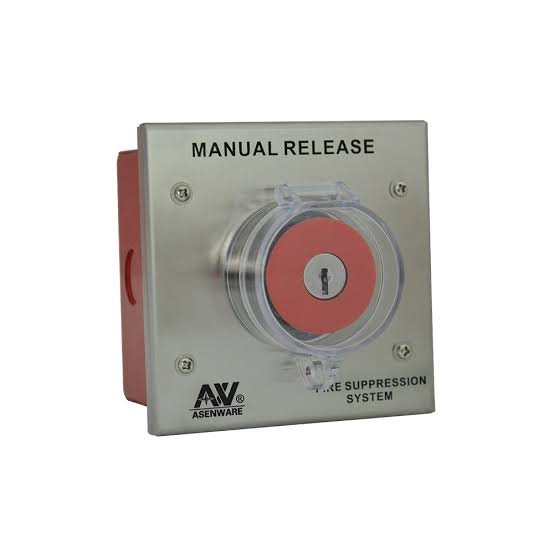
Every fire suppression system built for a home business or factory in Pakistan needs a brain that tells it when to react and how to react. That brain is the extinguishing control panel also known as the fire suppression control panel. It is the small but powerful device mounted on a wall that receives signals from detectors and decides whether to sound an alarm release a suppression agent or shut down equipment. Without this panel a fire suppression system is just a collection of pipes nozzles and cylinders with no way to know when danger is present.
In Pakistan where commercial buildings server rooms textile factories and oil facilities face real fire risks the demand for a reliable fire suppression system in Pakistan has grown steadily. Business owners are no longer treating fire safety as an afterthought. They are investing in proper detection and suppression setups that meet local and international safety expectations. This guide explains what an extinguishing control panel does how it works within a larger fire suppression system and what to look for when choosing one for your property.
What Is an Extinguishing Control Panel
An extinguishing control panel is the central controller of an automatic fire suppression system. It constantly monitors input from smoke detectors heat detectors and manual pull stations. When it receives a signal that matches a fire condition it triggers a sequence of actions. This usually includes sounding a local alarm notifying a monitoring station and after a short countdown releasing the suppression agent into the protected space.
The panel is programmed with specific logic. Some panels wait for a single detector to activate before responding while others require two detectors to confirm a fire before releasing the agent. This second approach called cross zone detection reduces the chance of a false discharge which can be costly and disruptive especially in server rooms or areas with sensitive electronics.
Why the Control Panel Matters More Than People Think
Many building owners focus on the visible parts of a fire suppression system such as cylinders and nozzles while giving little attention to the control panel. This is a mistake. The panel is what makes the entire system intelligent. A poor quality or poorly configured panel can lead to delayed response false alarms or in the worst case a failure to discharge the suppression agent when it is actually needed.
A well designed panel also gives facility managers visibility into the health of the system. It can report low battery conditions wiring faults low gas pressure in cylinders and detector malfunctions. This kind of diagnostic ability helps prevent situations where a system looks functional on the surface but would actually fail during a real fire.
How the Panel Fits Into a Complete Fire Suppression System
A fire suppression system in Pakistan typically includes several components working together.
Detection devices such as smoke detectors heat detectors and flame detectors that sense the earliest signs of fire.
The control panel that receives signals from detection devices and decides on the appropriate response.
Notification devices including sirens strobe lights and sometimes voice evacuation speakers that alert occupants.
Suppression agent storage which can be clean agent cylinders CO2 cylinders water mist systems or dry chemical systems depending on the application.
Release mechanisms such as solenoid valves and actuators that physically open the path for the suppression agent once triggered by the panel.
When these components are properly integrated the system can detect a fire within seconds and begin suppression before it spreads. This speed is especially important in facilities where fire can cause not just property damage but also serious harm to people and business continuity.
Common Types of Extinguishing Control Panels Used in Pakistan
There are a few categories of panels commonly installed across different types of properties in Pakistan.
Conventional panels divide the protected building into zones. If a detector in a zone activates the panel identifies which zone triggered but not the exact detector. These are usually more affordable and suit smaller buildings.
Addressable panels identify the exact detector that triggered an alarm. This is extremely useful in large facilities such as warehouses hospitals and multi floor commercial buildings because it allows staff to locate the fire quickly.
Agent release panels are specifically designed to control the discharge of a suppression agent rather than just sounding alarms. These are common in server rooms electrical rooms and industrial process areas where clean agent or CO2 suppression is used.
Choosing between these depends on the size of the facility the level of risk and the budget available. A textile mill in Faisalabad will have very different needs compared to a small IT server room in Islamabad.
Where These Systems Are Commonly Installed in Pakistan
Fire suppression systems with dedicated control panels are increasingly common in several sectors across the country. Data centers and server rooms in cities like Karachi Lahore and Islamabad rely heavily on clean agent suppression because water based systems would destroy sensitive equipment. Textile and manufacturing units especially in Faisalabad and Gujranwala use suppression systems to protect against fires caused by machinery friction or chemical processes. Oil and gas facilities across the country require highly reliable panels because the consequences of delayed suppression can be severe. Hospitals and pharmaceutical facilities also invest in these systems to protect critical equipment and maintain uninterrupted operations.
As more businesses in Pakistan understand the financial and safety risks of fire the market for properly engineered fire suppression system in Pakistan setups continues to expand.
Key Features to Look for When Choosing a Panel
When selecting an extinguishing control panel for a property in Pakistan there are several features worth prioritizing.
Reliability under local conditions such as voltage fluctuations and power outages which are common in many parts of the country. A panel with battery backup ensures the system remains operational during power cuts.
Compliance with recognized safety standards such as NFPA guidelines which many reputable suppliers in Pakistan follow even though local regulation is still developing.
Ease of maintenance since technicians need to be able to test and service the panel without excessive downtime.
Clear diagnostics and reporting so that facility staff can quickly understand the status of the system at any time.
Scalability particularly for growing businesses that may need to expand their protected zones in the future.
Working with an experienced provider matters just as much as the equipment itself. A properly installed and configured system from a trusted supplier such as the one detailed at https://flame-defender.com/fire-suppression-system/ ensures that the panel logic detection devices and suppression agents are all matched correctly to the specific risks of your facility.
Installation and Maintenance Considerations
Installing an extinguishing control panel is not a task for untrained personnel. It requires understanding of electrical wiring fire codes and the specific suppression agent being used. A poorly wired panel or incorrectly configured zone can render the entire system ineffective.
Once installed regular maintenance is essential. This typically includes monthly visual inspections quarterly functional testing and an annual full system test that may involve a simulated discharge test depending on the type of system. Cylinder pressure should be checked periodically and batteries in the panel should be tested and replaced according to manufacturer recommendations.
Facilities in Pakistan that neglect maintenance often discover problems only when a real fire occurs which is obviously too late. Establishing a maintenance schedule with a qualified provider is one of the simplest ways to ensure long term reliability.
Cost Factors for Fire Suppression Systems in Pakistan
Pricing for a complete fire suppression system in Pakistan varies significantly depending on several factors. The size of the area being protected has a direct impact since larger spaces require more detectors more cylinders and more piping. The type of suppression agent also affects cost with clean agents generally being more expensive than CO2 or water based alternatives due to their higher purchase price and environmental compliance requirements. The complexity of the control panel matters too since addressable systems with advanced diagnostics cost more than basic conventional panels. Finally ongoing maintenance contracts add a recurring cost that should be factored into the overall budget from the start.
While upfront investment can feel significant business owners should weigh this against the potential cost of fire damage equipment loss and business interruption which are almost always far higher.
Final Thoughts
The extinguishing control panel is the component that turns a collection of fire safety equipment into an actual working system. For businesses across Pakistan investing in a properly engineered fire suppression system in Pakistan is no longer optional in high risk environments such as data centers factories and industrial facilities. Choosing the right panel understanding how it integrates with detection and suppression components and committing to regular maintenance are the steps that separate a system that works when needed from one that fails at the worst possible moment.
Frequently Asked Questions
What is the purpose of an extinguishing control panel
It monitors fire detection devices and automatically triggers alarms and suppression agent release when a fire condition is confirmed.
How does a fire suppression control panel detect a fire
It receives electrical signals from connected smoke heat or flame detectors and processes them according to its programmed logic before responding.
What is the difference between a conventional and addressable panel
A conventional panel identifies which zone triggered an alarm while an addressable panel identifies the exact detector location making it easier to find the fire quickly.
Can a fire suppression system work without a control panel
No. Without the panel there is no mechanism to interpret detector signals or trigger the release of the suppression agent so the system cannot function automatically.
What types of suppression agents are commonly used in Pakistan
Clean agent gas CO2 water mist and dry chemical systems are all used depending on the type of facility and the equipment being protected.
How often should a fire suppression control panel be tested
Most systems require monthly visual checks quarterly functional testing and a full annual inspection to confirm everything is working correctly.
Is a fire suppression system suitable for a server room in Pakistan
Yes clean agent suppression systems are widely used in server rooms because they extinguish fire without damaging electronic equipment.
What happens if the control panel loses power
A properly installed panel includes a battery backup that keeps it operational during power outages which are common in many areas of Pakistan.
How much does a fire suppression system cost in Pakistan
Cost depends on the size of the area the type of suppression agent and the complexity of the control panel so pricing varies from one project to another.
Who should install a fire suppression control panel
Installation should always be handled by a trained and experienced fire safety provider to ensure correct wiring configuration and compliance with safety standards