
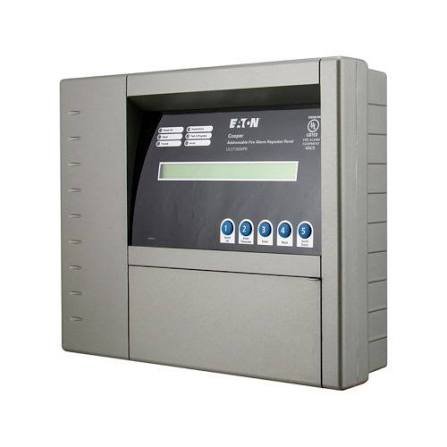
When people talk about fire safety in Pakistan they usually picture extinguishers on a wall or a sprinkler head above a ceiling tile. What they rarely think about is the small but powerful device that keeps every part of a building talking to the main fire alarm system. That device is the repeater panel. If you are researching a fire suppression system in Pakistan for your office building factory hospital or apartment complex you need to understand what a repeater panel does and why it matters so much for large or multi floor properties.
What Exactly Is a Repeater Panel
A repeater panel is basically a mirror of the main fire alarm control panel. It sits in a location away from the control room such as a security desk lobby or reception area and shows the exact same information that the main panel is showing. If a smoke detector on the fifth floor picks up smoke the main panel registers it and the repeater panel instantly displays the same alert. Security guards or building staff sitting near the entrance do not need to run to the control room every time something happens. They can see it live on the repeater screen.
Some repeater panels are passive which means they only show information. Others are active which means staff can actually silence alarms reset the system or acknowledge a fault directly from the repeater without walking to the main panel. In large commercial buildings hospitals and factories in cities like Karachi Lahore and Islamabad active repeater panels are becoming the standard choice because they save critical time during an emergency.
Why the Repeater Panel Matters for a Fire Suppression Control Panel
A fire suppression control panel is the brain of the whole system. It receives signals from detectors and decides whether to trigger sprinklers a gas suppression system like FM200 or a kitchen hood suppression system. But a brain located in one basement room is not much use if nobody is watching it around the clock. This is where the repeater panel becomes essential. It extends the reach of that brain to every entry point security post and control room in the building so that whoever is on duty always knows the real time status of the fire suppression system.
In a country like Pakistan where many commercial buildings are tall multi tenant structures with security staff stationed at ground floor entrances a repeater panel bridges the physical gap between the main control panel and the people who actually respond first. Without it there is a real risk that an alarm could go unnoticed for several minutes simply because nobody was standing near the main panel when it triggered.
Local Regulations Are Pushing Repeater Panels Into the Spotlight
The Building Code of Pakistan Fire Safety Provisions 2016 was developed by the Pakistan Engineering Council with support from NDMA and it was benchmarked against NFPA 1 Fire Code. These provisions provide a unified system of fire prevention protection and life safety standards for safeguarding human lives and reducing material loss to residential commercial and industrial buildings. Fire alarm systems required under these provisions must follow NFPA 70 and NFPA 72 or an approved equivalent standard. HEC
The market for fire alarm systems in Pakistan has been steadily growing due to increasing awareness of fire safety and the implementation of stricter building safety regulations. As more developers in Pakistan chase international certifications and insurance approvals repeater panels are shifting from an optional extra to a near mandatory component for any serious fire suppression system in Pakistan, especially in high rise buildings hospitals malls and industrial complexes. Eispak
How Repeater Panels Work With Different Suppression Technologies
Pakistan has a wide mix of fire suppression technologies depending on the type of facility.
Sprinkler systems remain the most common choice for warehouses factories and residential towers. A sprinkler head only activates directly above the fire rather than every head in the building going off at once which limits water damage while still controlling the blaze effectively.
Gas suppression systems such as FM200 are widely used in server rooms data centers banks and telecom facilities because FM200 extinguishes fire quickly without damaging sensitive equipment or leaving any residue. Demand for these systems has grown steadily across Pakistan as more businesses digitize their operations and protect valuable electronic assets. Eispak
Kitchen hood suppression systems are required in commercial kitchens under NFPA 96 and insurers increasingly specify these systems for commercial kitchens in Pakistan. These systems automatically shut off gas or electricity supply once triggered which removes the fuel source and prevents the fire from reigniting. MASC
In every one of these setups the repeater panel plays the same role. It takes whatever the main fire suppression control panel is reporting whether that is a triggered sprinkler zone a discharged gas cylinder or a kitchen hood activation and displays it instantly at a remote location so response teams can act without delay.
Key Features to Look For in a Repeater Panel
If you are shortlisting a repeater panel for your facility here are the features worth prioritizing.
Clear zone indication so staff can immediately identify which floor or section triggered the alarm.
Lamp test function that lets technicians confirm every indicator light is working correctly during routine checks.
Silence and reset buttons protected by a keyswitch so only authorized staff can control the system remotely.
Fault supervision that reports power loss low battery or wiring faults on the repeater itself and not just the main panel.
Compatibility with your existing fire suppression control panel brand and protocol since not every repeater works seamlessly with every main panel.
Durable build quality suited to Pakistan’s climate including heat humidity and dust which can affect electronic components over time if the enclosure is not rated properly.
Choosing the Right Fire Suppression System in Pakistan
Selecting a fire suppression system in Pakistan is not just about buying equipment. It is about matching the right combination of detection suppression and monitoring technology to your building type occupancy and budget. A small retail shop has very different needs compared to a textile factory or a five star hotel.
Property owners should work with suppliers who understand both international standards like NFPA and the practical realities of Pakistani infrastructure such as inconsistent power supply and varying construction quality across cities. Companies like Flame Defender offer a range of fire suppression system solutions designed to fit different building types across Pakistan, from gas based systems for server rooms to sprinkler networks for larger commercial and industrial properties. Working with an experienced supplier from the design stage helps ensure the repeater panel main control panel and suppression technology all work together as one properly integrated system rather than a patchwork of mismatched parts.
Installation Considerations Specific to Pakistan
Power reliability is one of the biggest practical concerns. Load shedding is still common in many parts of the country so any fire suppression control panel and its repeater panels need a reliable battery backup that can sustain the system for the required standby period even during extended outages.
Cable routing also matters more here than in many other markets. Fire resistant cabling is required for critical repeater connections particularly in buildings where the repeater panel has active control functions. Cutting corners on cable quality to save cost is one of the most common mistakes seen in local installations and it can seriously compromise system reliability during an actual fire.
Climate control inside electrical rooms is another factor. Dust and heat can shorten the life of sensitive components inside both the main panel and repeater units so proper ventilation or air conditioning in equipment rooms is worth the investment.
Maintenance and Testing
A fire suppression system in Pakistan is only as good as its maintenance schedule. Repeater panels need regular lamp testing to confirm every indicator is functioning. Technicians should also verify that alarm signals from the main panel reach the repeater without delay and that any control functions such as silence or reset work exactly as expected.
Annual servicing contracts with a qualified fire protection company are strongly recommended. Many building owners in Pakistan only think about their fire suppression system after an incident happens somewhere nearby which is unfortunately too late. Scheduled testing catches faults before they become dangerous gaps in protection.
Final Thoughts
A repeater panel might look like a small accessory next to a full fire suppression control panel but its role in real world emergencies is significant. It puts critical information directly in front of the people who are physically present and able to respond fastest. For any building owner developer or facility manager evaluating a fire suppression system in Pakistan investing in a properly integrated repeater panel is a decision that pays off the moment it matters most.
Frequently Asked Questions
What is the difference between a fire alarm panel and a repeater panel
The fire alarm control panel is the central brain of the system that receives signals from detectors and controls suppression equipment. A repeater panel simply mirrors that information at a remote location so staff away from the main panel can still see and sometimes respond to alerts.
Is a repeater panel mandatory in Pakistan
There is no single blanket rule for every building but the Building Code of Pakistan Fire Safety Provisions require fire alarm systems to follow NFPA 70 and NFPA 72 standards which often call for repeater or annunciator panels in larger multi story or multi tenant buildings.
What is the difference between active and passive repeater panels
An active repeater panel allows staff to silence reset or acknowledge alarms directly from its location. A passive repeater panel only displays information without offering any control functions.
Can one repeater panel work with any fire suppression control panel
Not always. Compatibility depends on the manufacturer and communication protocol used so it is important to confirm compatibility before purchasing a repeater panel for an existing system.
How much does a fire suppression system cost in Pakistan
Costs vary widely depending on building size suppression technology chosen and number of zones covered. A basic sprinkler setup for a small commercial space costs far less than a gas based FM200 system for a server room so getting a site specific quote from a qualified supplier is the best way to know actual pricing.
What type of fire suppression system is best for a server room in Pakistan
Clean agent systems like FM200 are the preferred choice for server rooms and data centers because they extinguish fire quickly without leaving residue or damaging sensitive electronic equipment.
How often should a fire suppression system be tested
Most facilities schedule testing at least once or twice a year although high risk environments like hospitals and industrial sites often require more frequent inspections in line with NFPA guidelines and insurance requirements.
Do commercial kitchens in Pakistan need a special suppression system
Yes. Commercial kitchens require dedicated kitchen hood suppression systems under NFPA 96 standards which automatically cut gas and electrical supply to cooking equipment once triggered.
Which organizations regulate fire safety standards in Pakistan
Civil Defense Pakistan Rescue 1122 local fire departments and building control authorities all play a role in setting and enforcing fire safety compliance across different cities and provinces.
Can a repeater panel help during a power outage
Yes provided the system has proper battery backup. Both the main fire suppression control panel and its connected repeater panels should be able to run on backup power for the standard required period so the system stays functional even during load shedding.