
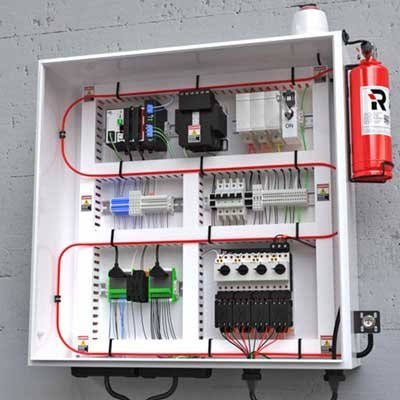
A fire suppression system is only as reliable as its power source. When the main electricity supply fails during a fire event, the control panel that manages detection, alarm activation and suppression release still needs to function. This is where the Battery Backup Unit comes in. It is one of the most overlooked yet critical components of any fire suppression system in Pakistan, especially given how common power outages and load shedding still are across the country.
In this guide we will look at what a Battery Backup Unit actually does, why it matters for a fire suppression control panel, how it works in real buildings across Pakistan, and what to check before choosing one for your property.
What Is a Battery Backup Unit in a Fire Suppression Control Panel
A Battery Backup Unit is a standby power source connected directly to the fire suppression control panel. Its only job is to keep the panel running when mains power is lost. The control panel itself is the brain of the entire fire suppression system. It receives signals from smoke detectors and heat sensors, sounds alarms, and triggers the release mechanism for suppression agents such as clean agent gas, CO2 or water mist depending on the system installed.
If this panel loses power at the wrong moment, the entire fire suppression system becomes useless no matter how advanced the detectors or nozzles are. The battery backup unit exists to prevent exactly that scenario.
Why Battery Backup Matters More in Pakistan
Pakistan faces frequent grid instability in many cities and industrial zones. Factories warehouses hospitals and commercial buildings often experience sudden power cuts that last from a few minutes to several hours. A fire suppression system installed without a properly rated battery backup unit is a serious risk in this environment.
Most fire codes and NFPA based standards used as reference in Pakistan require a minimum standby power duration of 24 hours in normal condition plus additional minutes of alarm condition after that. A quality battery backup unit is built to meet or exceed this requirement so that the system stays operational through extended outages, not just brief ones.
How the Battery Backup Unit Works
The unit typically consists of sealed lead acid batteries connected to a charging circuit built into or wired alongside the control panel. During normal operation the batteries stay fully charged and the panel runs on mains electricity. The moment mains power is interrupted, the system switches to battery power automatically without any delay or manual action needed.
This switch has to be instant because a fire can start at any time including during a power cut. Any lag in switching could mean detectors go blind for those critical seconds. Good quality panels used in modern fire suppression system in Pakistan installations are designed with zero interruption transfer so detection and alarm functions never pause.
Key Components Involved
The battery backup setup generally includes the following parts working together.
Sealed Lead Acid Batteries
These are the standard choice for fire panels because they are maintenance free, stable in varying temperatures and have a predictable service life, usually around three to five years depending on usage and climate.
Battery Charger Circuit
This keeps the batteries topped up during normal mains operation and prevents overcharging which can shorten battery life significantly, something especially important in Pakistan’s hot summer months.
Transfer Switch
This is the component responsible for the instant handover from mains power to battery power the moment an outage is detected.
Low Battery Alarm
A properly designed panel will alert building staff when battery voltage drops below a safe threshold so batteries can be replaced before they fail completely.
Sizing the Battery Backup Unit Correctly
One of the most common mistakes in fire suppression installations across Pakistan is undersizing the battery backup. The battery capacity must be calculated based on the total current draw of the panel plus all connected devices such as sounders strobes and any auxiliary relays during both standby and alarm conditions.
A typical calculation looks at standby current multiplied by the required standby hours, usually 24, added to alarm current multiplied by the required alarm duration, usually 5 to 30 minutes depending on the applicable code. Getting this number wrong means the system may shut down hours before power is restored, which defeats the entire purpose of having backup power in the first place.
Maintenance Requirements
A battery backup unit is not something you install once and forget. Regular maintenance is essential for a fire suppression system in Pakistan to remain compliant and functional.
Technicians should check battery voltage and load capacity every three to six months. Batteries showing more than 20 percent capacity loss should be replaced immediately rather than waiting for full failure. Terminals should be inspected for corrosion, which is common in humid coastal areas like Karachi. Charging circuits should be tested to confirm they are actually recharging batteries at the correct rate after use.
Neglecting this maintenance is one of the leading reasons fire suppression systems fail during actual emergencies, even when every other component of the system was installed correctly.
Choosing the Right Fire Suppression System in Pakistan
When selecting a fire suppression system in Pakistan, the battery backup unit should never be an afterthought. Ask your installer directly about backup duration, battery type, and how the transfer switch is tested during commissioning. A reliable provider will walk you through this rather than just focusing on detectors and nozzles.
For businesses and property owners looking for a properly engineered solution including control panels with dependable battery backup, providers like Flame Defender offer systems designed around local power conditions and compliance requirements specific to Pakistan.
Common Signs of a Failing Battery Backup Unit
Property managers should watch for a few warning signs. Frequent low battery alerts on the panel display, a shorter than expected runtime during outages, swelling or leakage on the battery casing, and unusual heat coming from the battery compartment are all indicators that replacement is overdue.
Ignoring these signs is risky because the failure often becomes apparent only during an actual power cut, which is precisely when the system is needed most.
Cost Considerations for Pakistan
Battery backup units for fire suppression panels vary in price depending on capacity and brand. Smaller commercial installations may need a modest battery bank while larger industrial facilities with multiple zones require significantly higher capacity setups. It is worth budgeting for battery replacement every three to five years as part of ongoing fire safety costs rather than treating it as a one time expense.
Frequently Asked Questions
What is the purpose of a battery backup unit in a fire suppression control panel
It keeps the control panel and connected detection and alarm devices running when mains electricity fails so the fire suppression system stays fully operational during power outages.
How long should a battery backup last during a power outage
Most standards require at least 24 hours of standby power followed by 5 to 30 minutes of alarm condition power, though exact requirements depend on the applicable fire code and building type.
What type of battery is used in fire suppression panels
Sealed lead acid batteries are the industry standard because they are maintenance free and perform reliably across varying temperatures.
How often should fire panel batteries be replaced
Typically every three to five years, though hot climates and frequent power cuts common in Pakistan can shorten this lifespan and require earlier replacement.
Can a fire suppression system work without a battery backup
Technically it can run on mains power alone, but it will stop functioning during any power outage, which makes it non compliant with most fire safety codes and highly risky in practice.
What happens if the battery backup fails during a fire
If the battery is already depleted or faulty when mains power is lost, the control panel loses power and the entire system including detection and suppression activation becomes non functional.
How do I know if my battery backup unit is undersized
Signs include the system shutting down well before power is restored during outages or the panel reporting a battery fault during extended standby testing. A proper load calculation by a qualified technician can confirm correct sizing.
Does load shedding in Pakistan affect fire suppression system reliability
Yes, frequent and sometimes extended load shedding makes a properly sized and well maintained battery backup unit especially important for buildings in Pakistan compared to regions with stable grid power.
Who should maintain the battery backup unit in a fire suppression panel
A certified fire safety technician should inspect and test the battery backup unit as part of routine fire system maintenance, ideally every three to six months.
Is battery backup required by fire safety regulations in Pakistan
Most fire suppression installations in Pakistan follow NFPA based guidelines which mandate standby battery power as a core requirement for code compliant systems, particularly in commercial and industrial buildings.
Final Thoughts
The battery backup unit may not be the most visible part of a fire suppression system, but it is one of the most important. In a country where power interruptions are a regular part of daily life, this component is what determines whether a fire suppression system in Pakistan actually protects a building when it matters most or simply looks good on paper. Choosing correctly sized batteries, working with an experienced installer, and keeping up with routine maintenance are the three things that make the difference between a system that works and one that fails silently.
If you’re setting up or upgrading a fire suppression system for your property, it’s worth reviewing the full range of fire suppression solutions available for Pakistani buildings, with attention paid specifically to how the control panel and its battery backup are engineered.